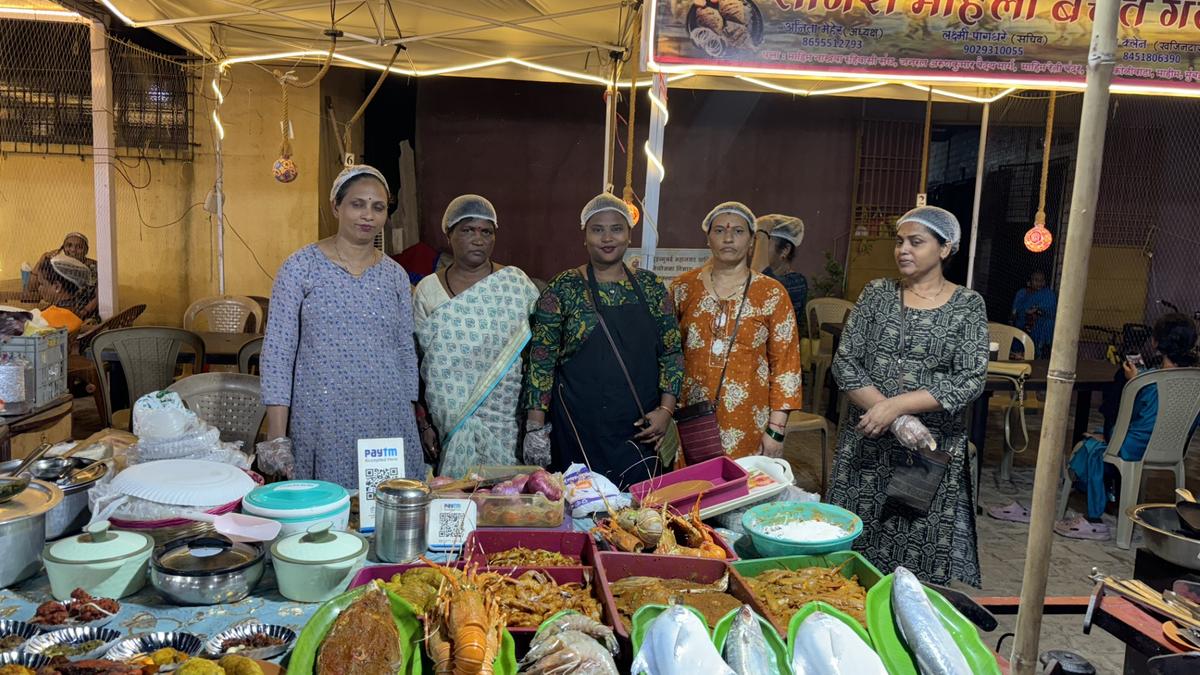
Mahim Koliwada women SHGs to receive Food Safety Training certificate
The Hindu
Mahim Koli women run India's first all-women seafood street food hub, certified for hygiene and quality by FDA.
What comes to mind when we imagine a Koli woman? Typically, a woman wearing a saree sells fish on local trains or at the fish market. This has changed at least in Mumbai’s Mahim Koliwada, where over 150 women from local self-help groups (SHG) now run Street Food Hub under the name of Mahim Seafood Plaza at Mahim Chowpatty. These women have completed the Food Safety Training and Certification (FoSTaC) program in collaboration with the Food and Drug Administration (FDA), Maharashtra, to become the first all-women-led street food hub in India to receive this certification and the first seafood-based street food hub in the country to be certified under the Eat Right initiative, as per the FDA officials.
The certificate will be given in the presence of Deputy Chief Minister City Eknath Shinde and Food and Drug’s Cabinet Minister Narhari Zirwal on April 23 at Mahim Sea Food plaza.
Sharmila Naik (46) is one of the women to receive the certificate. Ms. Naik says this certificate is not just for the namesake, it holds utmost importance because it made us realise the hygienic practices needed to be ensured for running an eatery business. “From setting up to getting our stalls approved was not an easy job. We went through checks and inspections. Mumbai’s civic body officials have several times visited our stall and kitchen, where we cook. It was a tedious process, now that we’ve been cleared, we can mention it while promoting the hub,” Ms. Naik said.
Also read: Why are women missing from the factory floors in India? | Data
The hub is run by 14 SHGs, each group consisting 10 to 13 women under the Mahila Bal Kalyan Yojana programme under the Brihanmumbai Municipal Corporation (BMC). Ms. Naik is one of the women who set her stall in October 2023.
Koli women credited Ajinkya Paccharkar, a community development officer (planning), and Dakshta Pawar, a community organiser (planning) for bringing the initiative alive.
“The certification brings credibility and ensures hygiene, making the plaza a model for safe, sustainable, women-powered food culture. FSSAI certification mandates strict adherence to food safety standards, covering cleanliness, waste management, water quality, and food handling practices. This boosts consumer trust in the hygiene and quality of food served,” Anupama Patil, FDA Assistant Commissioner, said.


MLC Kishore Kumar Puttur criticizes the State for poor implementation of the Centre's health scheme for senior citizens.

Karnataka's Health Minister announces redeployment of specialists to taluk hospitals to reduce neonatal mortality rates effectively.

Celebrate IPL's start and Polly Umrigar's legacy, reflecting on cricket's evolution and the enduring impact of its pioneers.

BJP accuses Congress and Rahul Gandhi of endorsing an ‘anti-India’ USCIRF report undermining India's global image.

Education Ministry proposes UGC-like funding under Shiksha Adhishthan, raising concerns about centralization and public university financing.

Shivraj Singh Chouhan defends the new rural jobs Act, dismissing opposition protests as ineffective and highlighting increased funding and worker protections.

Supreme Court questions why heirs can't access unclaimed funds of deceased depositors, urging government to develop a disclosure policy.

Karnataka High Court demands LPG supply details amid state restrictions, threatening Bengaluru's restaurants and livelihoods.

Shorts News:UN body investigating deadly strike on Iranian girls school

Moodbidri police inspector suspended pending inquiry over allegations of misbehaviour and inappropriate conduct towards women.

The State currently hosts more than 880 GCCs, up from around 500 GCCs in 2021.

Transgender and intersex activists march to Lok Bhavan, protesting the regressive Transgender Persons Bill and demanding its withdrawal.

Hyderabad's LGBTQIA+ community opposes the Transgender Amendment Bill, stressing dignity over identity verification and highlighting economic and medical concerns.