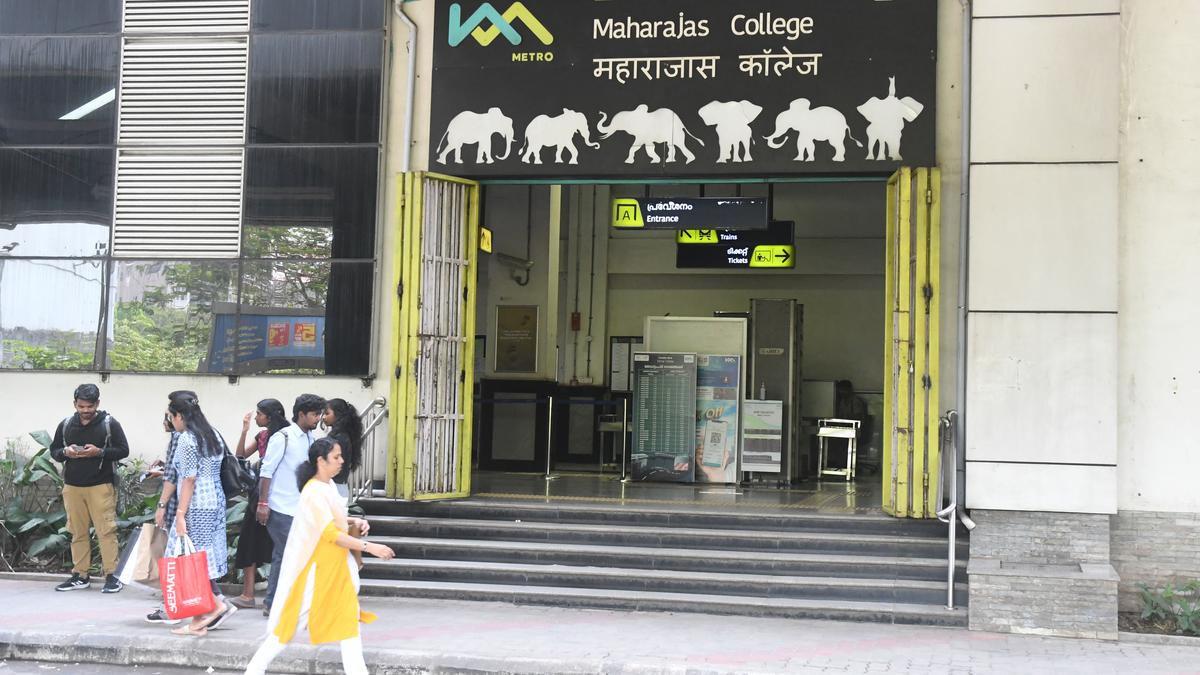
KMRL to deploy fleet of e-autos as metro’s feeder service
The Hindu
Faced with considerable flak for not readying a proper feeder network for last-mile connectivity, despite low passenger patronage and the widening revenue-expenditure gap, Kochi Metro Rail Limited is gearing up to deploy a fleet of electric autorickshaws from metro stations.
Faced with considerable flak for not readying a proper feeder network for last-mile connectivity, despite low passenger patronage and the widening revenue-expenditure gap, Kochi Metro Rail Limited (KMRL) is gearing up to deploy a fleet of electric autorickshaws from metro stations.
The tendering process is on, and a dedicated ride-hailing app, through which online payment is possible, is expected to be readied alongside. E-autos were preferred since they do not cause vibration and air and noise pollution, it is learnt.
Aimed at ensuring the safety of passengers and drivers, e-autos will have GPS-tracking feature. It will also help generate data on preferred routes.
The metro agency had been at the receiving end for not readying a feeder transport network, five years since the metro’s commissioning.
“Parameters such as the number of e-autos, their possible routes and parking space at each stations are being finalised. A total of 15 recharging points at five stations will shortly be readied. E-autos can also opt to recharge from kiosks set up by the KSEB. The recharging fee at metro stations will be compatible with that at KSEB kiosks and can be paid using a pre-paid card or through a mobile app. This fee will be utilised for the upkeep of the charging infra,” sources said.
The proposed induction of a fleet of e-autos comes after the metro agency’s tie-up with an e-auto manufacturer in which a dozen e-autos were inducted to operate from select metro stations. The initiative had failed to gather steam.
KMRL had earlier assured that electric and hydrogen-run buses would be inducted to operate feeder trips from metro stations along the 27-km Aluva-SN Junction metro corridor. This has not materialised yet.


The government plans to amend the FCRA, introducing new regulations for NGO asset management and accountability for key functionaries.

The draft policy for “Responsible Digital Use Among Students”, released on Monday by the Department of Health and Family Welfare, has recommended that parents set structured routines with clear screen-time rules and prioritise privacy, safety, and open conversation with children on digital well-being.

Police Observer Sushant Kumar Saxena conducts surprise inspection at Shencottai police station, reviewing warrants and security arrangements ahead of elections.

Andhra Pradesh government to launch key projects in April, focusing on industrial growth and infrastructure development, says Nara Lokesh.

Lok Sabha refers the Corporate Laws (Amendment) Bill to a JPC amid opposition concerns over CSR provisions dilution.

SHG members in Kanniyakumari use snakes and ladders to raise election awareness and boost voter turnout.

Government accelerates consultations for early implementation of the Women’s Reservation Act to ensure women’s representation in 2029 elections.

CM A. Revanth Reddy distributes ₹1 crore insurance cheques to families of deceased Electricity department employees, enhancing financial security for workers.

The Bengaluru Traffic Police (BTP) registered 634 cases of drunk driving during a week-long special enforcement drive conducted across the city between March 16 and March 22.

GHMC intensifies action against property tax defaulters, seizing properties and offering a One Time Settlement scheme for payments.

CCB arrests three drug peddlers in Mangaluru, seizing ₹2.5 lakh worth of MDMA and other valuables.

TVK's 28 candidates in Puducherry include former BJP MLAs, a sitting Independent, and a retired police IG.

BRS submits notice on private member bill to Speaker