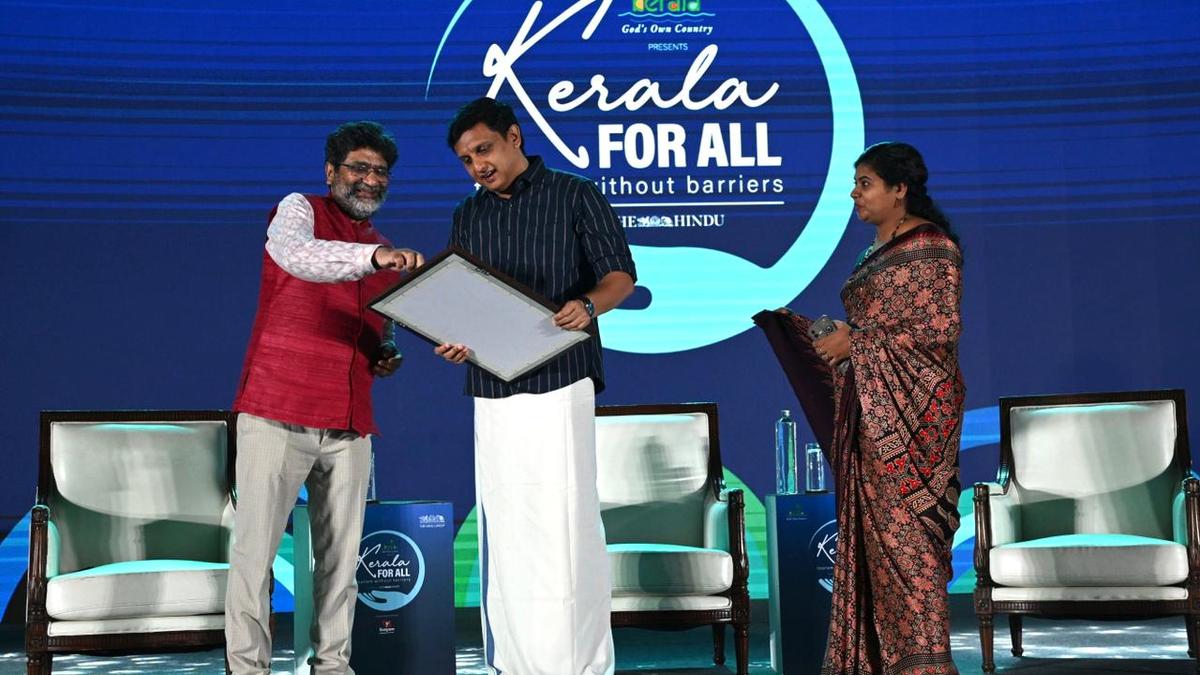
Kerala for All conclave: Inclusive and accessible tourism a shared responsibility of stakeholders, says Kerala Tourism Minister
The Hindu
Kerala Tourism Minister emphasizes shared responsibility for inclusive tourism, promoting dignity and accessibility for all travelers at the Kerala for All conclave.
Inclusive and accessible tourism is not a special service for a few, but a shared responsibility of governments, industry, stakeholders, communities, and citizens, Kerala Minister for Public Works and Tourism P.A. Mohamed Riyas has said.
Opening the Kerala for All conclave, a two-day knowledge conclave on inclusive and accessible tourism organised jointly by The Hindu and Kerala Tourism in Kochi, on Saturday (January 31, 2026), Mr. Riyas said that “keeping this in mind, Kerala has initiated the first step towards this direction by drafting a design policy, a first-of-its-kind initiative in India.”
Taking a cue from the initiative of Kerala, several States in the country are coming up with design policies, which shows its need and acceptance across the nation, he said. Emphasising that inclusive tourism will enhance the quality of life for both visitors and host communities also, the minister said strong policy support, regulatory frameworks, and the smart use of technology such as assistive apps and digital guides are needed to accelerate this transformation.
Stressing the need to remove the physical, social, informational, and attitudinal barriers to enable every traveller to explore the world with dignity and independence, the Minister reminded that the right to travel safely, comfortably, and with dignity belongs to everyone. Accessibility is also not limited to persons with disabilities alone. It benefits senior citizens, families with young children, people with temporary injuries, and indeed every traveller. Barrier-free infrastructure such as ramps, lifts, accessible toilets, and well-designed public spaces create destinations comfortable and safe for all, the Minister said.
The Minister stressed the importance of having clear signage that is easy to understand. Accessible information and digitally accessible platforms further enhance the travel experience. However, infrastructure alone is not enough. The human element is also equally important. Trained and sensitised tourism personnel play a critical role in creating inclusive hospitality environments. Inclusive tourism is built on universal design principles, ensuring that facilities and services are usable by everyone without the need for special adaptation, he said.
Accessible transportation, inclusive accommodation, and culturally sensitive services are essential for a seamless tourism experience. At the same time, inclusive tourism embraces cultural, linguistic, and economic diversity, ensuring that no one feels excluded. Community participation is the backbone of successful inclusive tourism. When local communities are involved, tourism becomes more meaningful, sustainable, and socially inclusive, said Mr. Riyas.


The government plans to amend the FCRA, introducing new regulations for NGO asset management and accountability for key functionaries.

The draft policy for “Responsible Digital Use Among Students”, released on Monday by the Department of Health and Family Welfare, has recommended that parents set structured routines with clear screen-time rules and prioritise privacy, safety, and open conversation with children on digital well-being.

Police Observer Sushant Kumar Saxena conducts surprise inspection at Shencottai police station, reviewing warrants and security arrangements ahead of elections.

Andhra Pradesh government to launch key projects in April, focusing on industrial growth and infrastructure development, says Nara Lokesh.

Lok Sabha refers the Corporate Laws (Amendment) Bill to a JPC amid opposition concerns over CSR provisions dilution.

SHG members in Kanniyakumari use snakes and ladders to raise election awareness and boost voter turnout.

Government accelerates consultations for early implementation of the Women’s Reservation Act to ensure women’s representation in 2029 elections.

CM A. Revanth Reddy distributes ₹1 crore insurance cheques to families of deceased Electricity department employees, enhancing financial security for workers.

The Bengaluru Traffic Police (BTP) registered 634 cases of drunk driving during a week-long special enforcement drive conducted across the city between March 16 and March 22.

GHMC intensifies action against property tax defaulters, seizing properties and offering a One Time Settlement scheme for payments.

CCB arrests three drug peddlers in Mangaluru, seizing ₹2.5 lakh worth of MDMA and other valuables.

TVK's 28 candidates in Puducherry include former BJP MLAs, a sitting Independent, and a retired police IG.

BRS submits notice on private member bill to Speaker