Iran's parliament passes a stricter headscarf law days after protest anniversary
The Hindu
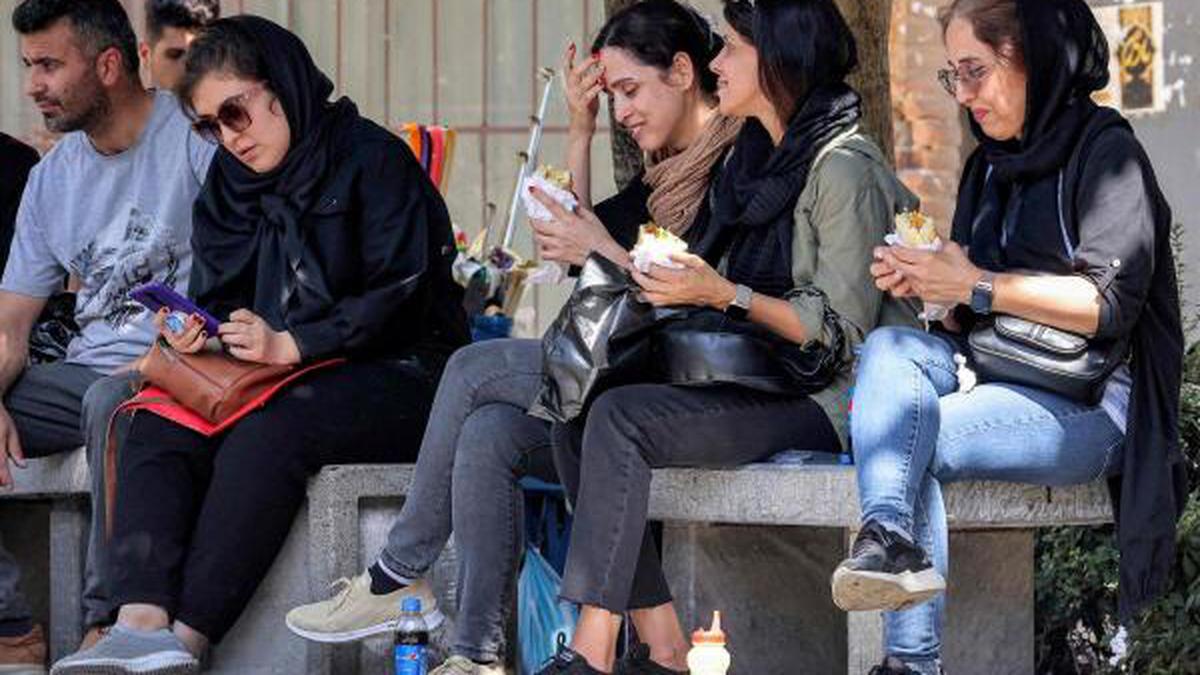
Iran’s parliament has approved a bill to impose heavier penalties on women who refuse to wear the mandatory Islamic headscarf in public and those who support them.
Iran's parliament has approved a bill to impose heavier penalties on women who refuse to wear the mandatory Islamic headscarf in public and those who support them.
The move came just days after the anniversary of the death of Mahsa Amini, a 22-year-old woman who had been detained by the morality police for violating the country's dress code. Her death in custody ignited months of protests in which many called for the overthrow of Iran's theocracy.
The bill also extends punishments to business owners who serve women not wearing the mandatory headscarf, known as hijab, and activists who organise against it. Violators could face up to 10 years in prison if the offence occurs in an organised way.
Explained | Mahsa Amini and the widespread protests in Iran
The bill, which was approved by 152 lawmakers in Iran's 290-seat parliament on Wednesday, requires ratification by the Guardian Council, a clerical body that serves as constitutional watchdog. It would take effect for a preliminary period of three years.
The demonstrations sparked by Amini's death on September 16, 2022, faded early this year following a heavy crackdown on dissent in which more than 500 protesters were killed and over 22,000 detained.
But many women continued to flaunt the rules on wearing hijab, prompting a new campaign to enforce them over the summer. Iran's clerical rulers view the hijab law as a key pillar of the Islamic Republic and blamed the protests on Western nations, without providing evidence.


PM Modi and UAE President agree on ensuring safe navigation through the Strait of Hormuz amid regional tensions.

JNU student leaders face severe repercussions for activism, risking their academic futures amid allegations and online abuse.

India Post launches 24-hour and 48-hour Speed Post services in Bengaluru, ensuring urgent delivery across major metro cities.

A 24-hour control room in Krishnagiri monitors the Model Code of Conduct and manages election-related complaints ahead of polls.

Madurai Collector inaugurates voter awareness campaign

MLC Kishore Kumar Puttur criticizes the State for poor implementation of the Centre's health scheme for senior citizens.

Karnataka's Health Minister announces redeployment of specialists to taluk hospitals to reduce neonatal mortality rates effectively.

Celebrate IPL's start and Polly Umrigar's legacy, reflecting on cricket's evolution and the enduring impact of its pioneers.

BJP accuses Congress and Rahul Gandhi of endorsing an ‘anti-India’ USCIRF report undermining India's global image.

Education Ministry proposes UGC-like funding under Shiksha Adhishthan, raising concerns about centralization and public university financing.

Shivraj Singh Chouhan defends the new rural jobs Act, dismissing opposition protests as ineffective and highlighting increased funding and worker protections.

Supreme Court questions why heirs can't access unclaimed funds of deceased depositors, urging government to develop a disclosure policy.

Karnataka High Court demands LPG supply details amid state restrictions, threatening Bengaluru's restaurants and livelihoods.