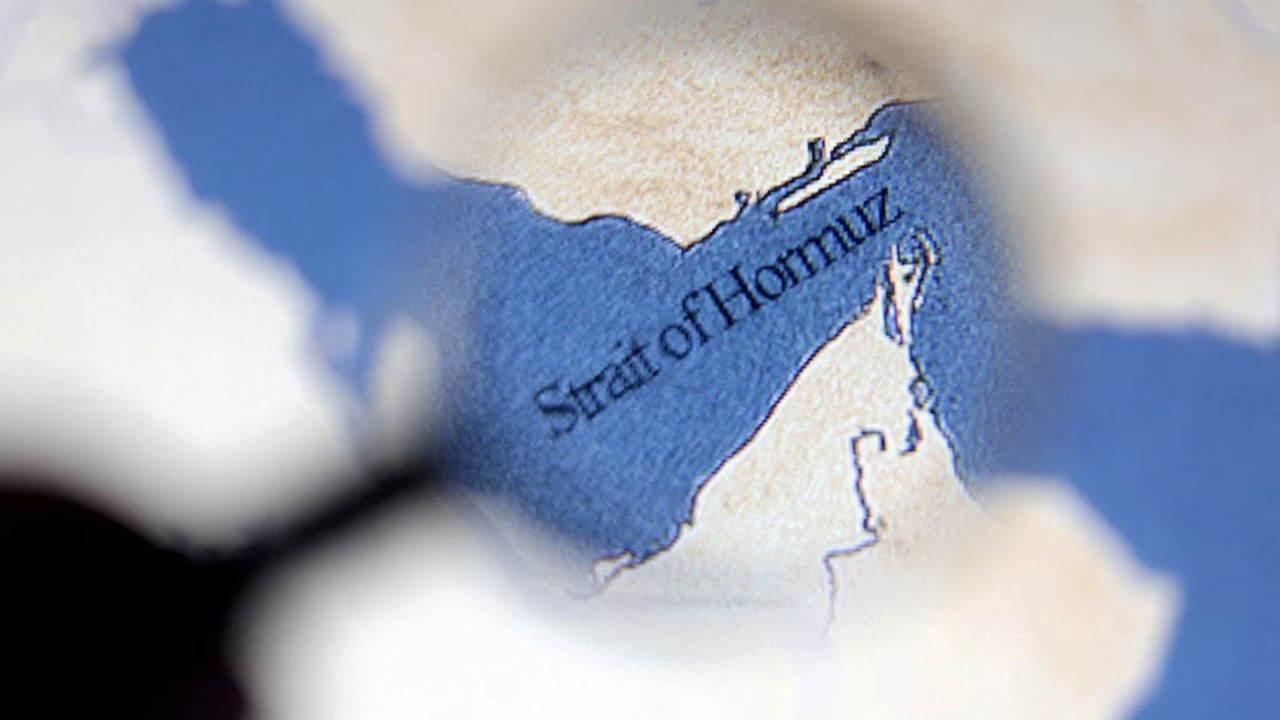
Iran, Oman hold talks to ensure smooth flow of transit through war-hit Hormuz
India Today
In its statement, Oman said the two sides discussed "possible options" to ensure smooth passage through the Strait of Hormuz under current conditions. It added that experts from both sides presented several proposals and ideas, which will now be studied further.
Amid mounting disruption in global energy flows, Oman and Iran have opened direct talks to address the growing crisis in the Strait of Hormuz that has been effectively choked by Tehran after joint US-Israeli strikes on October 28. The move comes as pressure builds on both sides to prevent a prolonged chokehold on one of the world’s most critical oil corridors.
The meeting, confirmed by Oman’s Foreign Ministry on Sunday, took place on April 4 at the level of deputy foreign ministers, with specialists from both countries in attendance. The focus remained firmly on finding workable options to ensure vessels can move safely through the strait despite the ongoing regional conflict.
In its statement, Oman said the two sides discussed "possible options" to ensure smooth passage through the Strait of Hormuz under current conditions. It added that experts from both sides presented several proposals and ideas, which will now be studied further.
The development follows earlier remarks from Iran indicating that it is preparing a draft protocol aimed at regulating navigation in the strait. Tehran has signalled its intention to work with Oman on a joint framework to manage maritime traffic more effectively during the crisis.
Even as discussions continue, activity in the strait remains restricted. According to shipping data cited by Reuters, a small group of Omani-linked vessels, including oil tankers and a liquefied natural gas carrier, moved through the passage under unusual routing patterns, sailing closer to the Omani coast rather than established corridors.
Iran has allowed selective transit in recent days, but the broader flow of vessels remains heavily constrained. Thousands of ships are still waiting for clearance, reflecting the scale of disruption caused since the conflict began.


A US official told the Wall Street Journal that the two MC-130J transport planes appeared to have gotten stuck during the rescue op. They were destroyed by US forces to prevent them from falling into Iranian hands.

From mocking Macron's marriage to punishing India with tariffs, Trump has flipped the postwar order inside out. He is rewarding rivals, humiliating allies, and leaving the world to draw its own conclusions.

In a video shared on Instagram, Philipp documented his experience of using QR code-based payments in India, describing the system as both simple and efficient.

A US airman hunted for two days in Iran, airstrikes to hold back enemy forces, and a rescue that nearly failed. Trump reveals how one of the most complex military missions unfolded behind enemy lines.

Missing since the downing of his fighter aircraft in Iran, the US Air Force pilot has been rescued and safely evacuated after a dramatic firefight. Trump confirmed the pilot is "safe and sound" after a "daring" operation.

After the loss of two fighter aircraft, the US is positioning the bulk of its lethal long-range JASSM-ER missiles in readiness to strike Iran, reported Bloomberg.

A Kolkata strike warning, talk of entering Indian homes, and no evidence to back claims. Pakistan's latest remarks come right after Rajnath Singh's strong message. What's behind this fresh escalation?

Fatal fire at gas lighter factory near Dhaka claims five lives. The bodies couldn't immediately be identified.

Iranian Foreign Minister Seyed Abbas Araghchi said Tehran has "never refused to go to Islamabad" for peace talks, but emphasised that any negotiations must deliver a "conclusive and lasting" end to what it calls an "illegal war."

Several analysts on US television and online have suggested that US Army Chief of Staff General Randy George may have been removed due to opposition to a ground invasion, though he has not made any public statements.

Earlier, Trump had extended the deadline to reopen the critical energy chokepoint by 10 days, pushing it to April 6 after expressing optimism about ongoing talks with Iran.

A UK travel vlogger praised Kerala as one of India's most underrated destinations, with his now-viral video showing its serene beauty and sparking debate online.

Pakistan tried to make a strong diplomatic move by leading mediation efforts between the US and Iran to end the war. However, Pakistan's ploy of trying to please all sides seems to have backfired. A rebuff from Iran and a strain in ties with Gulf states like the UAE have come as a double whammy for Pakistan.