India may have most people exposed to high temp. if warming crosses 1.5 C: study Premium
The Hindu
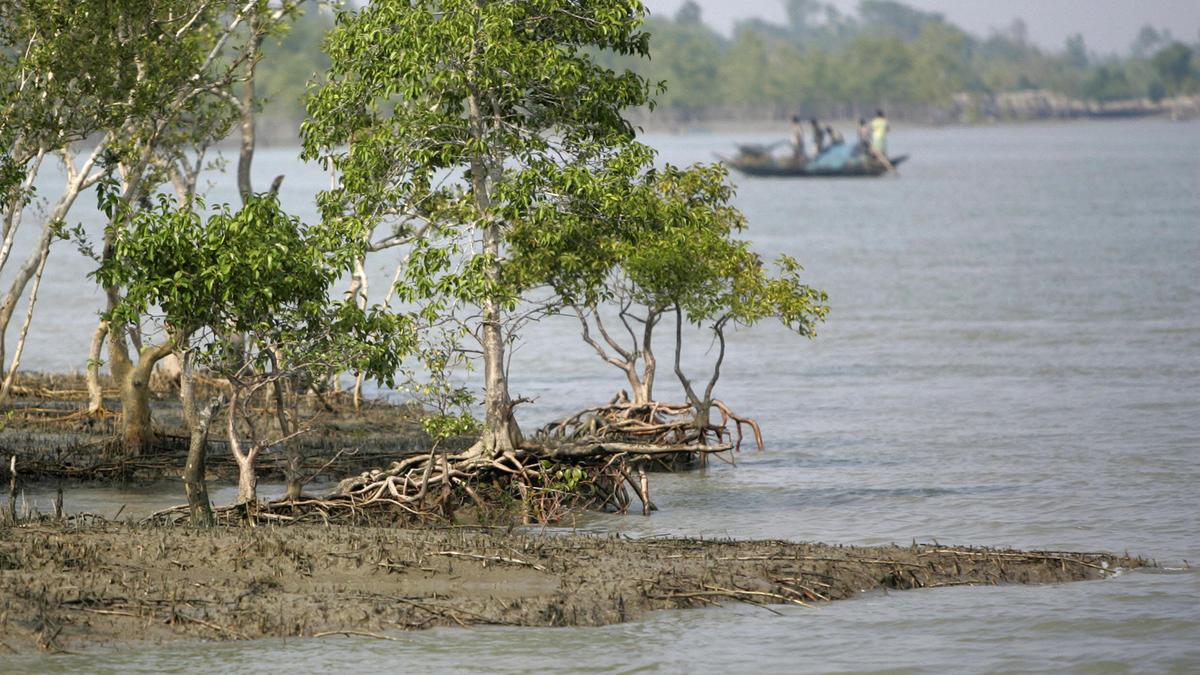
Under projected global warming of 2 degrees Celsius in 2100, India is the third-most vulnerable country in the world exposed to potential future sea level rises.
India will have the most number of people exposed to mean annual temperatures higher than 29º C – the hot exposure metric – if global warming goes past by 1.5° C, a new study published in The Lancet Planetary Health journal has found.
Published on September 11, the study assessed safe and just earth-system boundaries (ESBs) to ensure sustainable human and planetary health.
ESBs are limits we shouldn’t cross in order to maintain the planet’s ability to support various ecosystems. Crossing an ESB could harm human populations as well.
The study reported that India, China, Europe, and the Americas led the world in accelerated loss of functional integrity over the last 50 years. Functional integrity of ecosystems is an ESB referring to the earth’s ability to maintain essential processes in its biospheres. It has already been crossed.
According to the study’s researchers, India tops the list of countries with the most number of people living with less than 20% functional integrity.
Under projected global warming of 2º C in 2100, they found India will also be the third-most vulnerable country to sea-level rise.
India also ranked high in the study vis-à-vis the size of the population exposed to extreme temperature if global warming continues unabated. Historically, human population density has been greatest when the mean annual temperature was 11º-15º C. But with climate change, India will have the most people exposed to mean annual temperatures higher than 29º C if global warming crosses 1.5º C.


Mumbai court denies discharge plea for Mayor Ritu Tawde in 2016 teachers' assault case, citing sufficient evidence for charges.

RJD announces candidates for Kerala Assembly polls: M.K. Bhaskaran, P.K. Praveen, and P.K. Anil Kumar to contest.

SSLC annual exams begin in Karnataka, with over 8.65 lakh students participating across 2,871 centers amid tight security.

Dhurandhar 2 earns an 'A' certificate after 21 modifications, surpassing Rs 100 crore in pre-sales ahead of its March 19 release.

Eid food in India: A look at Bhopali, Bohra and Memon culinary traditions

Hyderabad experiences intermittent rain and IMD forecasts more thundershowers, bringing relief from rising temperatures.

Real Madrid and PSG eliminate Manchester City and Chelsea, while Bodø/Glimt's fairytale Champions League run ends against Sporting Lisbon.

Tragic fire in Palam residential building claims at least 7 lives, including 3 children; rescue operations ongoing.

Lorry owners in Andhra Pradesh reject government proposal to reduce vehicle fitness test fees by up to 50%.

Watch the thrilling trailer for 'Dune: Part Three,' showcasing epic battles and Paul Atreides' struggle with power and resistance.

TMC announces candidates for 2026 Bengal Assembly elections, contesting 291 seats; BGPM to handle three Darjeeling hill seats.

DMK finalizes a seat-sharing deal with CPI for Tamil Nadu elections, allotting five seats amid ongoing discussions with CPI(M).

Parliament Budget Session LIVE: Follow The Hindu's latest updates on the Parliament Budget Session on March 18, 2026.