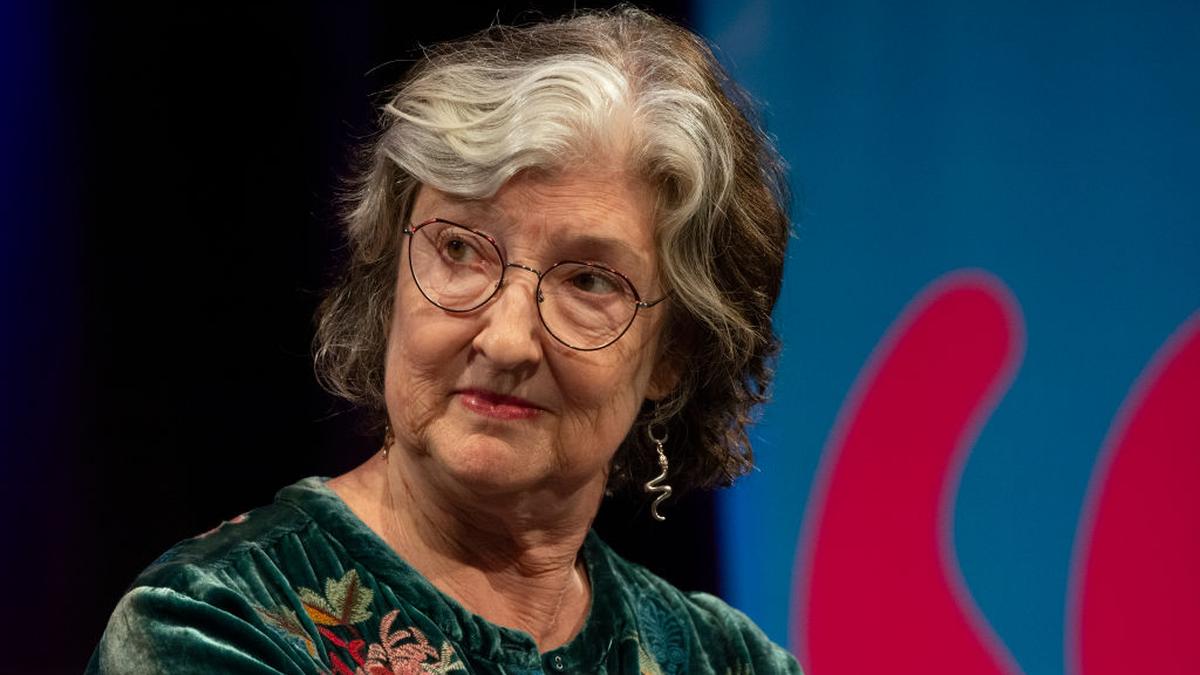
In conversation with Barbara Kingsolver, author of Demon Copperhead
The Hindu
Barbara Kingsolver discusses her acclaimed novel, the role of compassion, and her upcoming book, Partita.
We meet American writer Barbara Kingsolver under a sheltering tree at Alipore Museum (formerly a jail built by the British where many of India’s political prisoners, including Jawaharlal Nehru, were incarcerated) in Kolkata. As birds chirp and leaves sway in the gentle breeze, she approves of the setting.
In the city for the Kolkata Literary Meet, Kingsolver takes in some of the sights — the Botanical Gardens and the largest flower market in Asia near Howrah Bridge and the ghats — to get a sense of the place. A biologist by training and writer by profession, she has always had her ear to the ground and her books reflect that.
She sensitively recast Charles Dickens’ David Copperfield into Demon Copperhead (2022), in which an Appalachian boy narrates his life amid a raging opioid crisis. Like in all her novels, the story’s large problems — poverty, addiction, failure of institutions — are universal themes, and struck a chord with readers. As did Demon’s intrinsic values, “gentle optimism, resilience and determination”, with which he faces his challenges.
Accolades followed swiftly — the Pulitzer Prize, Women’s Prize for Fiction, months on The New York Times bestseller list, and book tours taking her far away from southern Appalachia where she lives on a farm.
Kingsolver had been thinking about how to tell the story of the opioid crisis — “people don’t want to read about orphans and poverty” — when the Eureka moment came during a stay at Bleak House in Kent, where Charles Dickens wrote David Copperfield. “In Dickens’ office, with his manuscripts and pens lying around, I felt his spirit come to me and say, ‘Look around, David Copperfield was a huge hit, so was Oliver Twist. You have to let the child tell the story’,” recalls Kingsolver.
She immediately began writing in her notebook on Dickens’ desk, taking David Copperfield as a first draft, with its “great plot and fabulous characters”. Transplanting it to her place (Appalachia) and time (the present), she gave her David “a new name, red hair, fierce attitude” and made him “less apologetic, resilient, and such a survivor”. “Everybody loves a survivor story and Dickens was my way in, he opened the door,” she says.


Assembly polls 2026: Follow updates from The Hindu on the upcoming elections in five States on March 24, 2026

Delhi's per capita income is projected to grow 7.09% by 2025-26, highlighting the city's economic progress and infrastructure challenges.

Review meeting held in Dharmapuri with election observers and nodal officers to discuss upcoming Assembly elections.

Execution of development projects, infrastructure augmentation to occupy centre stage in electioneering

Telangana Cabinet approves Hate Speech and Parents Support Bills, ensuring accountability for neglecting elderly and curbing hate-driven offences.

EU and Australia finalize a free trade agreement and establish a new defense partnership to enhance economic and military cooperation.

U.S.-Israeli war on Iran LIVE: Iran faces deadline of US President Donald Trump warning to open Strait of Hormuz. Follow The Hindu for more LIVE updates on March 23 2026 on Iran-Israel war.

KPCC chief Sunny Joseph emphasizes UDF's focus on Sabarimala and corruption while expressing confidence in winning Kerala's upcoming Assembly elections.

A military plane crash in Colombia leaves 125 aboard, with at least 48 survivors rescued amid ongoing recovery efforts.

‘Symposium’, a new platform to promote lifelong learning and counter misinformation among youth, was launched in Hyderabad.

By using TB as an entry point, integrated healthcare delivery can optimise and improve public health efficiency

Residents of Chettichavadi express concerns over deteriorating groundwater quality due to long-standing garbage dumping issues in Salem West.

Community Health Officers in Vijayawada protest for reduced workload and continued incentives amid growing dissatisfaction over salary changes.