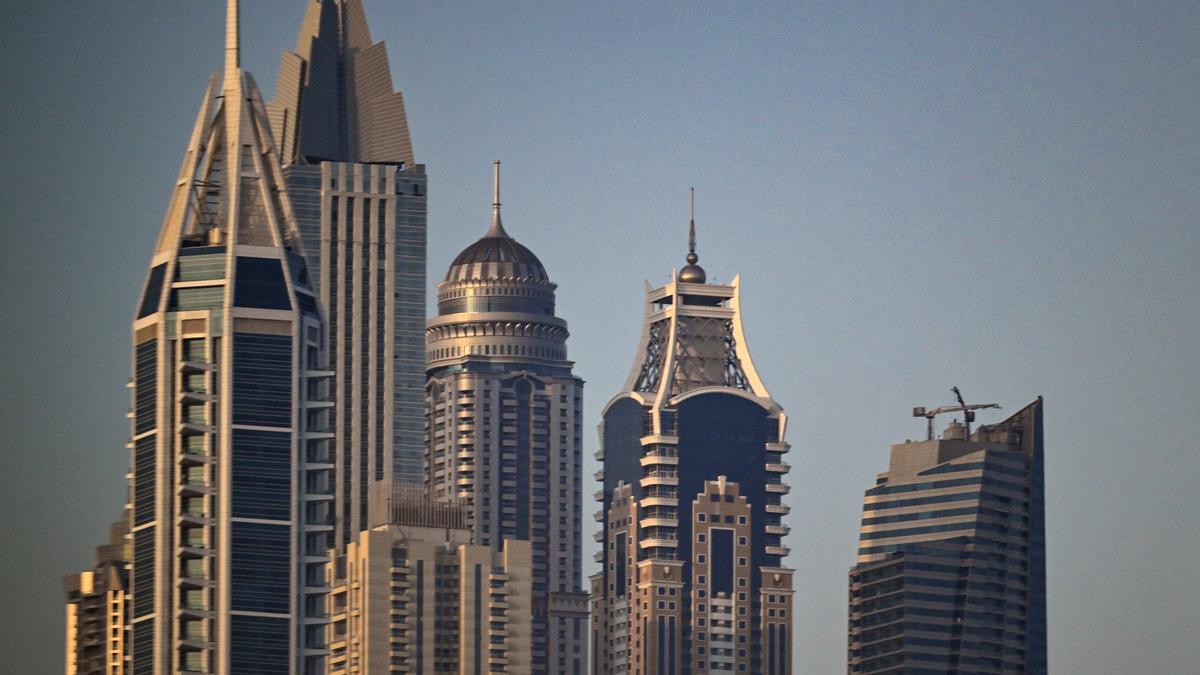
Gulf tensions rattle Dubai real estate sector
The Hindu
Gulf tensions spark caution among Indian investors, impacting Dubai's real estate market after years of rapid growth and stability.
Fifteen to 20 years ago, when the going was tough, officials and agents of Dubai-based real-estate companies would visit Mumbai and other key cities in India. They showcased and aggressively marketed their projects, highlighting comparative advantages in pricing and rental income. The aim was to persuade Indians to invest in property or buy a second home.
Also Read | Iran-Israel war LIVE
The impact was swift: within two weeks of the war, the Dubai Financial Market Real Estate Index (DFMREI) had fallen 21 per cent, while property transaction volumes reportedly declined 38 per cent year-on-year in the first 13 days .
The sales pitch focused largely on price. A Dubai apartment was typically priced at about one-third the cost of a south Mumbai apartment. It also promised rental yields of 6%–8%, compared with just 1%-2% in Mumbai.
But that situation changed dramatically with the introduction of the UAE Golden Visa programme in 2019, and Dubai emerged as a dependable global business destination and a haven in the post-COVID era.
Due to the local government’s ability to handle the pandemic, citizens from many countries across Asia and Europe flocked to the city and made it their primary home. This, in turn, fuelled unprecedented demand for luxury real-estate, as well as high-quality office and retail space.


Grandmaster Jan Gustafsson shares insights on Magnus Carlsen, D. Gukesh, Vincent Keymer, and the 2026 Candidates tournament, along with his journey as a coach, commentator, and chess24 co-founder.

Assembly elections 2026 live updates: Get real-time updates, full polling schedules, candidate lists and key constituency analysis as India prepares for the 4 May counting day. Follow The Hindu for more updates.

Rajasthan wins a national award for successfully completing its first irrigation census, showcasing effective water resource management.

Gulf tensions spark caution among Indian investors, impacting Dubai's real estate market after years of rapid growth and stability.

Karnataka High Court dismisses land encroachment FIR against Sri Ravi Shankar, citing lack of allegations or evidence.

Delhi Assembly passes ₹1.03-lakh-crore budget for 2026-27, emphasizing accountability and project completion under CM Rekha Gupta's leadership.

Thirumavalavan announces successful negotiations with DMK for VCK's eight constituencies ahead of the T.N. Assembly elections.

The Hindu Morning Digest gives a select list of stories to start the day. Read the top news today on March 28, 2026

Kerala's 2026 Assembly elections focus on wildlife conflicts as farmers seek solutions and challenge political leaders in key constituencies.

AIADMK nominates newcomer V.B. Prabhu against veteran K.A. Sengottaiyan in Gobichettipalayam for the upcoming Assembly election.

Experience spiritual ecstasy at Tirupati's Sri Rama Navami festivities, featuring special rituals and vibrant celebrations across historic temples.

Musi Riverfront Development Project: With the Telangana government ready to implement the project in Hyderabad, residents along the river are facing possible displacement and uncertainty over compensation. Once seasonal streams, the Moosa and Esi tributaries now flow with sewage and industrial effluents, raising questions about ecological restoration.

AIADMK announces second candidate list for 2026 Tamil Nadu Assembly elections, retaining 25 MLAs and including 16 women.