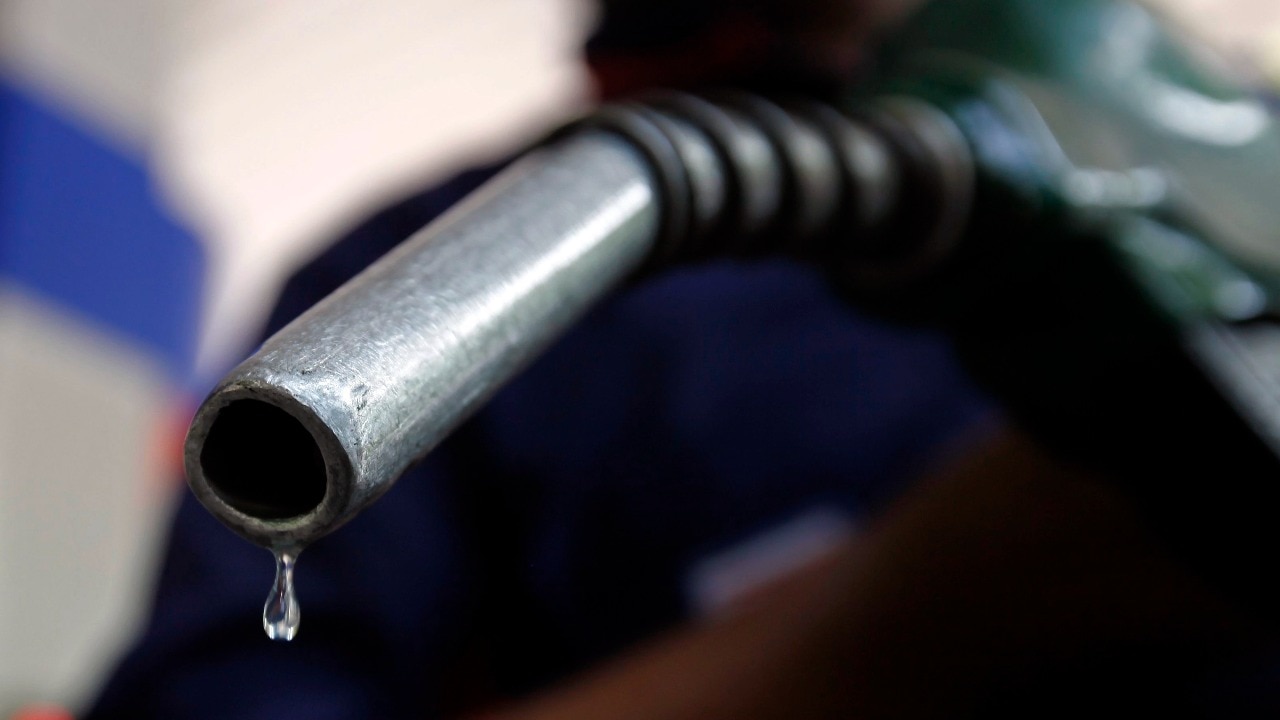
Govt moves to cushion consumers amid global oil turbulence
India Today
Officials said India currently holds more than 250 million barrels of crude oil and petroleum products across strategic reserves and supply chains. This provides a buffer equivalent to about seven to eight weeks of consumption.
India is working to ensure global volatility in energy markets does not translate into higher fuel costs for Indian consumers. Petrol and diesel prices will not increase even as tensions in the Middle East disrupt global supply routes, government sources told India Today, adding all possible steps are being taken to cushion consumers from fluctuations in global crude oil and LPG prices. The Centre is also coordinating closely with oil suppliers and monitoring developments on a daily basis.
Officials said LPG prices in India are linked to the Saudi Contract Price (SCP) benchmark, which has risen sharply over the past two months. Despite the spike, the government says it has absorbed much of the pressure to keep the burden on consumers minimal.
Domestic LPG currently costs oil marketing companies around Rs 1,050 per cylinder, meaning they continue to incur losses on household LPG sales. Officials said the priority remains protecting households from sudden price shocks.
The government confirmed that beneficiaries of the Pradhan Mantri Ujjwala Yojana will continue to receive a subsidy of Rs 300 per cylinder. With this support, the effective price for Ujjwala consumers will remain around Rs 613 per cylinder, ensuring affordability for low-income households.
Officials also noted that LPG prices have seen only a modest rise over the long term — from around Rs 500 in 2014 to about Rs 610 in 2026, an increase of roughly Rs 110 over 12 years.
Government sources said India has sufficient LPG stocks to meet domestic demand and is in touch with multiple global suppliers to increase availability if required. An Inter-Ministerial Group (IMG) is closely monitoring the situation and reviewing domestic supply priorities to ensure uninterrupted availability.


The victim, identified as Naitik Kumar, allegedly rammed his speeding Bullet motorcycle into a scooter near Janeshwar Mishra Park in Lucknow, triggering a crash that left him dead and two others injured.

RJD MLA who skipped Bihar Rajya Sabha poll voting cites mother's illness

West Bengal Chief Minister Mamata Banerjee led a protest march in Kolkata against the alleged LPG shortage, accusing the PM Narendra Modi-led Centre of failing to ensure adequate supply.

Himayani Puri, daughter of Union Minister Hardeep Singh Puri, has moved the Delhi High Court over "false and malicious" reports linking her to convicted sex offender Jeffrey Epstein.

The family, a resident of Thyagaraju Street in Punganur town, had recently repaired the engine of their two-wheeler vehicle. A local mechanic advised the family to keep the engine running overnight to "set" the newly installed parts. However, this turned out to be fatal for the family.

The Supreme Court closed criminal proceedings against Ashoka University professor Ali Khan Mahmudabad after the Haryana government said it would not grant sanction to prosecute him over social media posts related to Operation Sindoor.

Three Congress MLAs in Bihar are reportedly out of contact as voting for five Rajya Sabha seats is underway, with the INDIA bloc and the BJP-led NDA locked in a tight contest for the fifth seat that could hinge on cross-voting.

Bunty Solanki stabbed his wife to death following a quarrel at their residence in Vadodara's Bakrawadi area. Rita died on the spot.

The girl's family members were angered over the friendship, and as a result, they called Jadhav last Saturday evening and allegedly beat him.

External Affairs Minister S Jaishankar has said that direct talks with Iran to restore shipping through the war-hit Strait of Hormuz have yielded results, stressing that direct engagement with Tehran is the most effective way to address the disruption.

This moment comes days after the Supreme Court allowed Harish Rana to die with dignity – a historic first court-ordered case of passive euthanasia in India. The court acknowledged the medical opinion that Rana will never recover and that the tubes that feed him and keep him alive are only prolonging his pain.


Ground videos from Shopian showed snow-draped pine trees as the weather brought joy for tourists. Speaking to reporters, a tourist from Bihar said she was unable to contain her happiness over the unexpected snowfall.