Government bonds in India: understanding the financial market component
The Hindu
Invest in Indian government bonds for safe, assured returns and vital funding source, shaping the country's economic future.
Government bonds are essentially IOUs issued by the Indian government, promising to repay the principal amount along with a fixed or variable interest rate to the bondholder at a specified future date. They are also known as G-secs and are debt securities issued by the central government to raise funds for various purposes while offering investors a relatively safe investment option with assured returns. The government uses these bonds to finance infrastructure projects, cover budget deficits, and implement social welfare programs. Investors earn returns through periodic interest payments (called coupon payments) and capital appreciation.
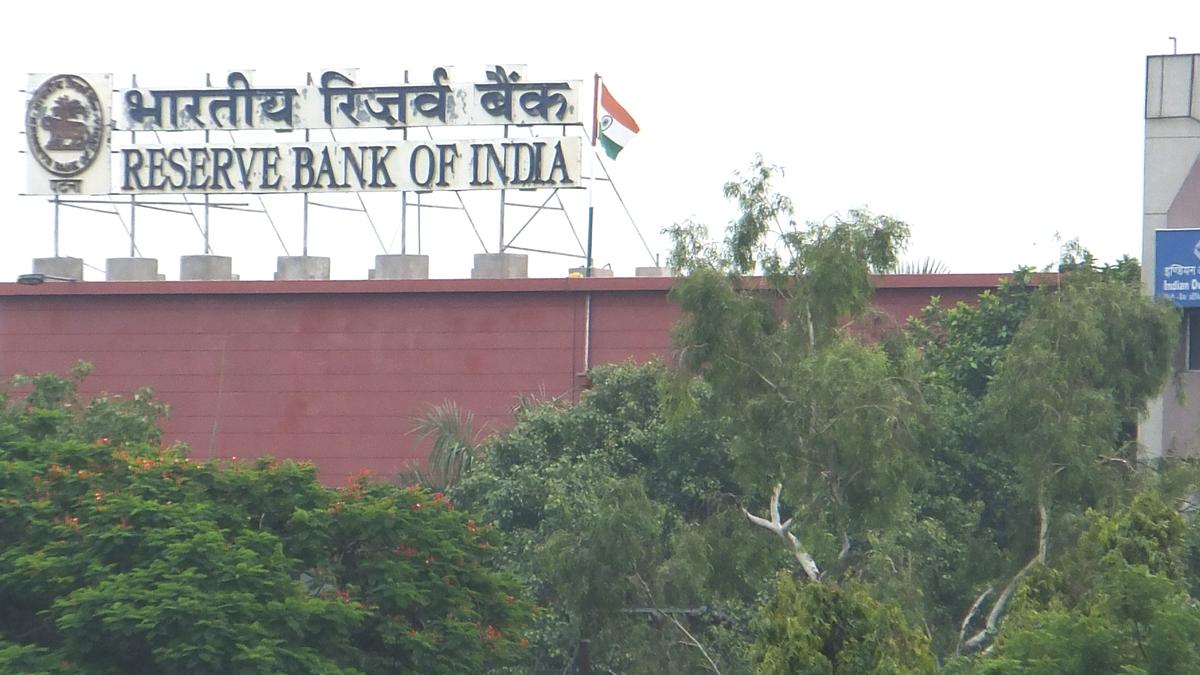
Government bonds are a fundamental component of a country’s financial market, serving as a crucial instrument for both the government and investors. In India, these bonds are issued by both the central and state governments, with the Reserve Bank of India (RBI) acting as the regulator and facilitator.
India offers various types of government bonds to cater to different investors and market needs. These include:
1. Treasury Bills (T-Bills) are short-term debt instruments issued by the central government that are redeemed at face value.
2. Dated Government Securities (G-Secs) are long-term investments with fixed or floating interest rates.
3. Inflation-Indexed Bonds (IIBs) are designed to protect investors from inflation with the principal or interest adjusted according to the inflation rate.
4. State Development Loans (SDLs) are issued by state governments to meet their financial requirements. These bonds carry slightly higher yields than central government securities due to additional risk factors.


MLC Kishore Kumar Puttur criticizes the State for poor implementation of the Centre's health scheme for senior citizens.

Karnataka's Health Minister announces redeployment of specialists to taluk hospitals to reduce neonatal mortality rates effectively.

Celebrate IPL's start and Polly Umrigar's legacy, reflecting on cricket's evolution and the enduring impact of its pioneers.

BJP accuses Congress and Rahul Gandhi of endorsing an ‘anti-India’ USCIRF report undermining India's global image.

Education Ministry proposes UGC-like funding under Shiksha Adhishthan, raising concerns about centralization and public university financing.

Shivraj Singh Chouhan defends the new rural jobs Act, dismissing opposition protests as ineffective and highlighting increased funding and worker protections.

Supreme Court questions why heirs can't access unclaimed funds of deceased depositors, urging government to develop a disclosure policy.

Karnataka High Court demands LPG supply details amid state restrictions, threatening Bengaluru's restaurants and livelihoods.

Shorts News:UN body investigating deadly strike on Iranian girls school

Moodbidri police inspector suspended pending inquiry over allegations of misbehaviour and inappropriate conduct towards women.

The State currently hosts more than 880 GCCs, up from around 500 GCCs in 2021.

Transgender and intersex activists march to Lok Bhavan, protesting the regressive Transgender Persons Bill and demanding its withdrawal.

Hyderabad's LGBTQIA+ community opposes the Transgender Amendment Bill, stressing dignity over identity verification and highlighting economic and medical concerns.