Goodbye human coders? Sam Altman says thank you to developers as AI takes over
India Today
Sam Altman's heartfelt note to developers has reignited the debate around AI replacing coders. But current data and industry voices suggest humans still have a strong role to play. Here is everything you need to know.
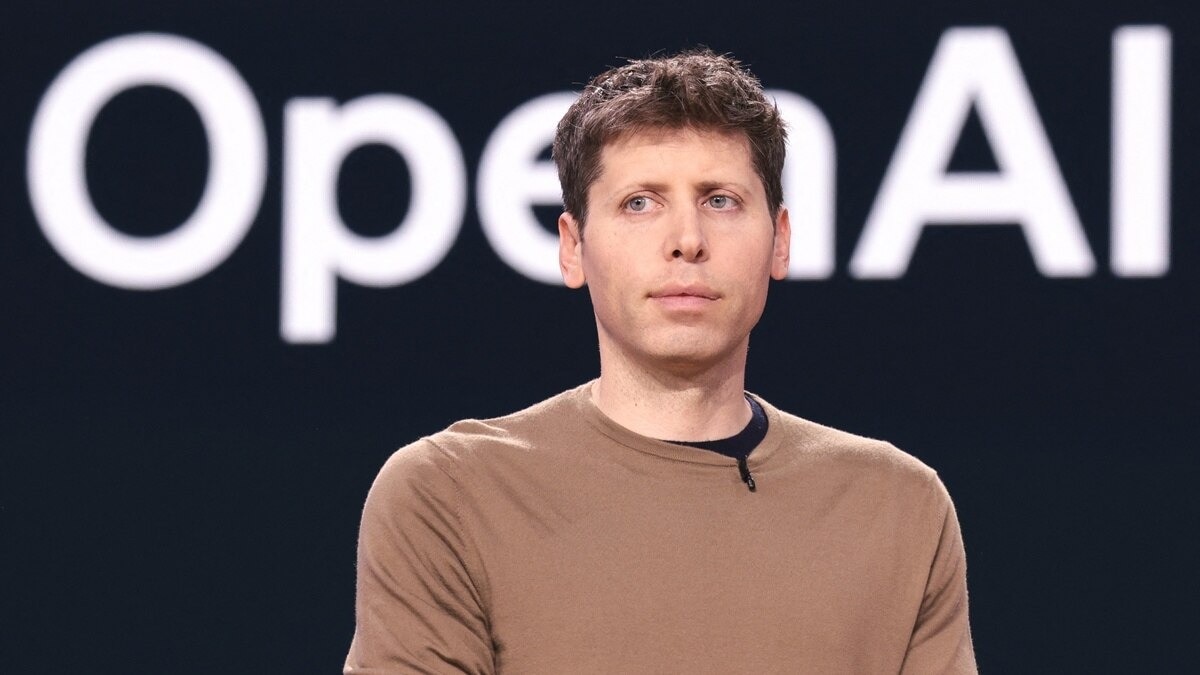
There was a time when writing software meant sitting for hours, typing every line of code with precision, and fixing bugs one by one. That process quietly built the digital world we use today. Now, as AI begins to take over parts of that work, the conversation is changing. Are human coders slowly becoming less important, or is this just another phase in how technology grows? In the middle of this discussion, OpenAI CEO Sam Altman shared a message that feels both emotional and timely.
In a fresh post on X, looking back at the effort developers have put in over the years, Altman wrote, "I have so much gratitude to people who wrote extremely complex software character by character. It already feels difficult to remember how much effort it really took. Thank you for getting us to this point." His words come at a moment when AI tools can write code in seconds, fix errors, and even suggest better ways to structure programs. For many developers, tasks that once took hours are now done much faster. This has naturally raised concerns about what happens to coding jobs, especially for beginners.
While the fear is real, not everyone believes coding as a profession is going away. Elon Musk's AI chatbot Grok offered a grounded response when a user asked about it in Altman's post. "No, software engineering isn't dying, it's evolving fast. AI automates routine coding and boosts productivity (many devs now ship 2-3x faster), but humans are irreplaceable for architecture, debugging massive systems, ethics, integration, and true innovation,” it said.
This explains what many developers are already experiencing. AI is taking care of repetitive work, but the tougher parts still need human thinking. Building large systems, solving unexpected issues, and making decisions that affect real users cannot be handed over completely to machines.
However, one concern is becoming clear. Entry-level roles often included simple tasks that helped new developers learn. With AI doing much of that work, getting hands-on experience at the start of a career may become harder.
A recent study by Anthropic adds an important layer to this discussion. The company analysed how its AI model Claude is actually being used in workplaces.


Vivo launches a new smartphone addition to its T-series — Vivo T5x 5G. The smartphone carries a 50-megapixel primary camera and comes in two colour options.

Waiting for your RBSE Class 10 result? The Rajasthan Board is expected to announce the scores on March 23, according to officials. Students will be able to check their results online once released.

There hasn't been a single dull fashion moment from Rashmika Mandanna and Vijay Deverakonda's wedding, and their haldi photos prove exactly that.

OpenAI is reportedly in "code-red" mode after facing tough competition from rival Anthropic's Claude. OpenAI executives have reportedly asked teams to drop side projects and prioritise productivity features to regain its lead among developers and business users.

The Poco X8 Pro series is set to launch in India today, and ahead of the official announcement, alleged pricing details of the lineup have surfaced online. According to the leak, the series could carry a starting price of over Rs 30,000 in India with bank offers.


WhatsApp is rolling out a new feature called guest chat, says a report. This new feature is said to allow users to communicate with non-WhatsApp users. However, WhatsApp's new feature is expected to come with certain limitations. Here is more about the guest chat feature.

The Central Board of Secondary Education (CBSE) has issued a warning to teachers involved in evaluating Class 10 and Class 12 board exam answer sheets after noticing posts related to the process appearing on social media.

Several creations by Indian designers made their way to the Oscars red carpet and the after-party this year.

Apple has launched the AirPods Max 2 with improved noise cancellation and the new H2 chip. The premium over-ear headphones are priced at Rs 67,900 in India.

Xiaomi has opened sales of its newly launched Pad 8 in India, with availability starting March 17, 2026. The tablet comes powered by the Snapdragon 8s Gen 4 processor, runs on HyperOS 3, and offers improved multitasking features, targeting users who want a portable device with powerful performance for work and entertainment.

The iPhone 18 Pro Max is likely to launch soon, as the event is reported to take place in about 5 months. Here is a look at the leaked design, India price, battery, camera, release timeline and other details.

After taking over the red carpet at the 98th Academy Awards with her Dior gown, Priyanka Chopra dialled up the glamour at the Vanity Fair Oscars after-party in a stunning backless gold gown.