Genetic enigma: two new studies reveal why some cats are orange Premium
The Hindu
Discover the genetics behind orange cats, explained by recent studies, shedding light on feline pigmentation mysteries.
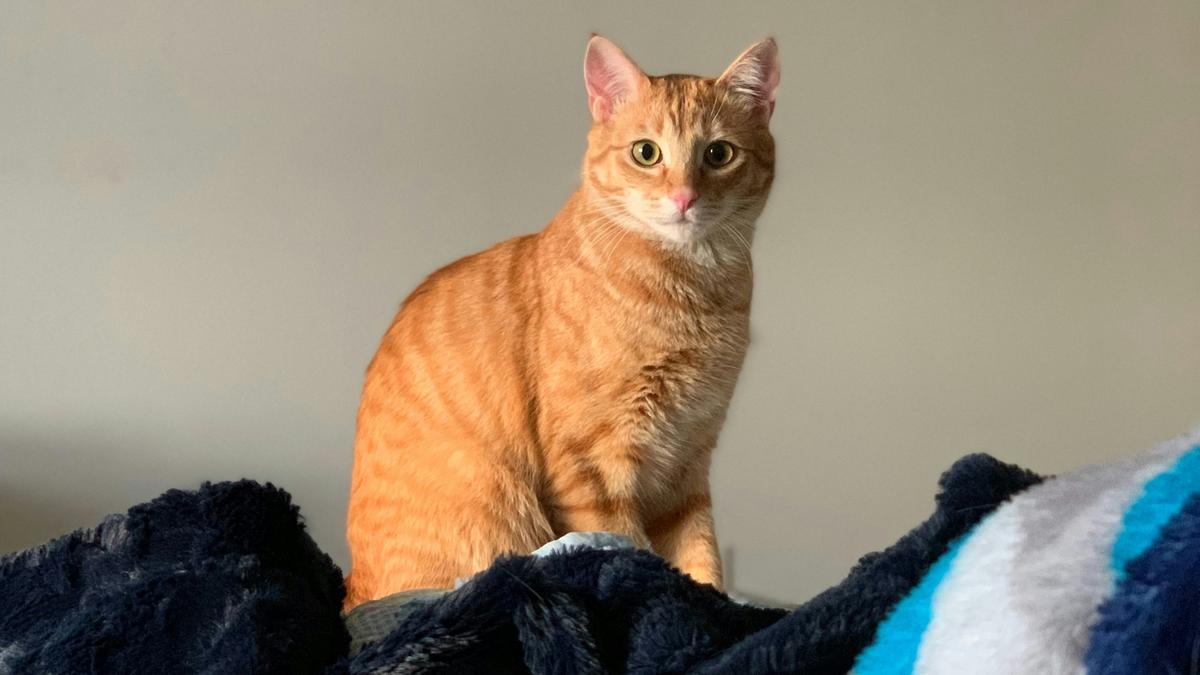
Garfield, star of the eponymous comic strip created by Jim Davis in 1978, is, like many of the cats that roam our homes, orange. He is orange in the same way that some people are redheaded, some horses are brown, or some dogs are Irish setters, but there is one important difference.
For all other animals, including redheaded humans, we know what causes this characteristic colour, but surprisingly, we didn’t know what causes it in cats – and felines in general – until now.
Two papers have just been published on bioRxiv – one of the most popular pre-publication repositories of unreviewed articles – that explain the genetics behind orange cats. One comes from Greg Barsh’s lab at Stanford University, California. The other is from Hiroyuki Sasaki’s lab at Kyushu University, Japan.
Mammals have only two pigments, which are two colours of melanin: eumelanin (dark brown, blackish) and pheomelanin (yellowish, reddish or orange). Redheads only produce pheomelanin, while dark-skinned people accumulate mainly eumelanin. All other skin and hair colours fall somwehere in between, thanks to as many as 700 genes that regulate pigmentation in animals.
In primates, horses, rodents, dogs, cows and many other animals, melanin production and the decision to produce eumelanin or pheomelanin is in the hands of a membrane protein called MC1R. This controls the skin cells known as melanocytes that release melanin. If a melanocyte-stimulating hormone (alpha-MSH) is released, melanocytes start producing eumelanin. If an antagonist, such as agouti-signalling protein or beta-defensin in dogs, comes into play, the production of dark eumelanin stops, and melanocytes produce orange pheomelanin instead.
However, cats are another matter altogether. Anyone who keeps a cat around the house knows that they are very peculiar animals, very special in every way, and this extends to their pigmentation.
In cats, eumelanin or pheomelanin production is not controlled by the MC1R receptor. Instead, it is in the hands of a locus (whose gene was, until now, unknown) called “orange”. A locus is a physical location in the genome whose effects are known (e. g. black or orange coat), but not the details of the precise DNA sequence it contains, nor the gene to which it belongs.


The ‘Swastha Mysuru’ initiative aims to promote healthy living and preventive healthcare in Mysuru through community engagement and awareness.

Farmers in Ongole protest against BJP's policies, citing dangers to their livelihoods and demanding support for local agriculture.

From March 24, paneer queserotta, prawn tostadas, beef birria and more feature on MadCo's special Mexican pop up menu by Chef Mathangi Kumar alongside experimental cocktails, including a marigold highball

Revenue Minister Krishna Byre Gowda defends subsidies as crucial for economic growth, emphasising their role in boosting consumer demand during recessions.

Three doctors were arrested by the Mico Layout traffic police on Monday (March 23) after a video allegedly showing them triple-riding without helmets with one of the pillion riders seen drinking from a bottle went viral on social media.

Assembly protest ends in arrests as BJP targets Government over guarantees

Andhra Pradesh accelerates city gas distribution with streamlined approvals, enhancing access to cleaner energy and supporting sustainable urban development.

Sattankulam father-son custodial deaths case: Trial court convicts all nine accused police personnel
Nine police personnel convicted in Sattankulam custodial deaths; sentencing to be announced on March 30.

Minister Laxmi Hebbalkar supports local protests against a solid waste management plant in Turmuri, addressing residents' concerns.

Sattankulam father-son custodial deaths case: Trial court convicts all nine accused police personnel
Nine police personnel convicted in Sattankulam custodial deaths; sentencing to be announced on March 30.

Erode district conducts first EVM randomisation for April 23 Assembly elections, ensuring transparency and fairness in allocation.

TNCC conducts public consultation in Erode to gather community input for its upcoming election manifesto.

CID to investigate sexual assault allegations against suspended Moodbidri Police Inspector P.G. Sandesh, reveals Home Minister Parameshwara.