Explained | Ripudaman Singh Malik and the 1985 Air India Kanishka bombing case
The Hindu
Here’s how one of the deadliest attacks in the history of aviation left over 300 people dead
The story so far: Ripudaman Singh Malik, a suspect who was later acquitted of all charges in the 1985 bombing of the Air India Kanishka aircraft flying the Montreal-London-Delhi-Mumbai route, , was shot dead in Canada on Thursday. He died on the spot, according to sources.
Malik was acquitted by a Canadian court in 2005.
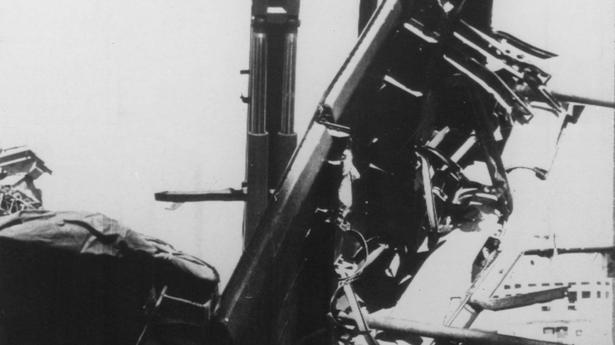
The Air India Kanishka bombing on June 23, 1985 is counted among the deadliest acts of terrorism in aviation history. All 329 people on board the flight were killed when a bomb in the aircraft exploded mid-air and it crashed near the west coast of Ireland. The aircraft had left from Montreal for London en route New Delhi.
Of the 329 people, 22 were Indian citizens, while most other passengers were foreign nationals of Indian origin.
Around the same time, a second bomb exploded at Narita Airport in Japan. It was hidden in a piece of luggage and exploded while it was being transferred to an Air India flight. Two baggage handlers were killed in the incident.
The bombings were believed to be a retaliation for India’s Operation Blue Star in June 1984, where security forces stormed the Golden Temple in Amritsar, one of the holiest sites for Sikhs, in order to remove Jarnail Singh Bhindranwale and other Sikh militants holed up inside. Parts of the temple were desecrated in the process.
Former Prime Minister Indira Gandhi was assassinated in October 1984 by her Sikh bodyguards, allegedly to avenge the desecration of the Golden Temple.


Palla urges NDA leaders to unite for grassroots outreach, enhancing public trust through balanced welfare and development initiatives.

Horses shone at Auroville's 2026 event, showcasing equestrian talent through dressage, derby, and show jumping competitions.

Telangana Governor Shiv Pratap Shukla attends Bihar Foundation Day celebrations in Hyderabad, honoring Bihar's historical and cultural contributions.

Samsung workers protest for the reinstatement of 27 suspended employees, citing unfulfilled promises from the Labour Minister.

The Vice-Chancellor of Rajiv Gandhi University of Health Sciences (RGUHS) B. C. Bhagavan said on Sunday that the university will soon open a research centre on Yoga and Naturopathy on 60-acre land in Bengaluru.

UT Matters: Construction of Uppar drain road overbridge in Puducherry to be completed in four months, amid traffic regulations.

Union Minister Dharmendra Pradhan highlights Bharat Innovates' aim to elevate Indian deep-tech startups to the global stage.

In an exclusive interview, DMK MLA Ezhilan discusses Tamil Nadu's 2026 elections, party structure, and local governance challenges.

Minister Satish Jarkiholi asserts confidence in retaining Davangere and Bagalkot seats in upcoming bypolls amid addressing internal discontent.

Sunil Ambekar of RSS emphasizes national unity, defending road prayer restrictions and promoting awareness of shared ancestry in India.

Opposition MPs and activists voice strong concerns against proposed amendments to the Transgender Persons Act at a Delhi hearing.

Four Assam police commandos injured in an extremist attack during a gunfight in Tinsukia district, officials report.

Campaigning intensifies in Ernakulam district as candidates engage voters ahead of the crucial Assembly polls.