Even Muslim-majority countries don’t allow Namaz on roads, says Sunil Ambekar of RSS
The Hindu
Sunil Ambekar of RSS emphasizes national unity, defending road prayer restrictions and promoting awareness of shared ancestry in India.
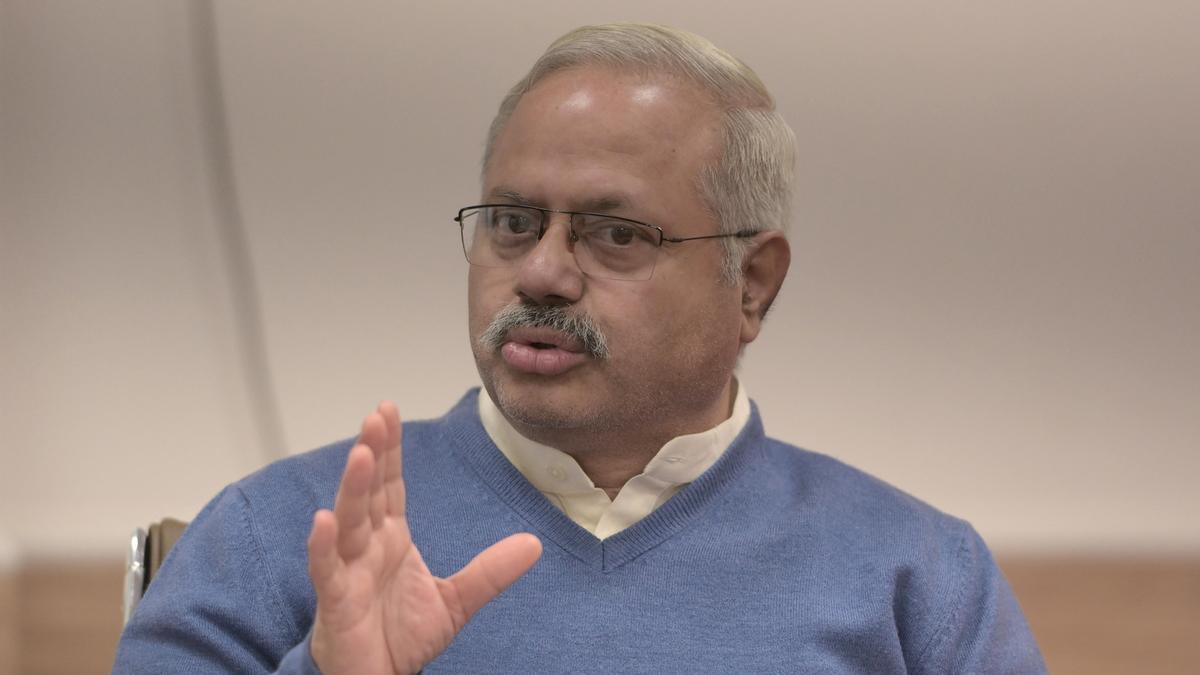
“Even Muslim-majority countries do not allow prayers on roads and have designated places for worship,” Rashtriya Swayamsevak Sangh (RSS) national publicity in-charge Sunil Ambekar said in an interview with The Hindu.
Mr. Ambekar made the statement while responding to questions on how incidents in BJP-ruled States—such as FIRs over Namaz on roads, Iftar on a boat in the Ganga, or the Char Dham temples asking for ‘Sanatani’ affidavits—impact the RSS’s message of unity in diversity.
“When the government restricts Namaz on roads, it should be seen as a law-and-order decision, not a religious restriction,” he said. On the temple issue, he added, “Arrangements at places of worship are made for those who have faith in that religion. In a democracy, if people feel these arrangements are not right, they can voice their opinion. We have media to raise our voice.”
Asked whether the Sangh sees any ideological conflict with the appointment of Nitin Nabin as the BJP chief, given his lack of prior association with the RSS or its affiliated organisations, Mr. Ambekar said Mr. Nabin has worked in the BJP for years and that the party is capable of imparting the core ideology of the organisation.
On the ongoing West Asia conflict, he said it is a time for Opposition parties to support the government and prioritise national interest above political ambitions. “War should be fought for truth and the welfare of the people, not for personal or selfish interests and I truly feel that India is following that right path,” he said.
Addressing concerns around demographic change and population imbalance, Mr. Ambekar linked them to historical lessons. “Some people understand that even if their worship practices change, they still share the same ancestors and history. But a section felt that because their traditions were altered, the country no longer belonged to them. This contributed to the partition of India—a phenomenon also seen elsewhere, like Lebanon,” he said.


Manipur CM Y Khemchand Singh calls meeting with Kuki Zo Council a positive step towards restoring peace and trust.

Papanasam dam's water level is 66.50 feet, with inflow and discharge rates reported.

Suspended Police Inspector P.G. Sandesh faces rape and extortion charges after a college principal alleges sexual assault from 2020 to 2023.

Tamil Nadu CM M.K. Stalin promises improvements to the 'Vidiyal Payanam' initiative, enhancing free bus travel for women and marginalized groups.

Kerala State Electricity Board seeks approval for a medium-term power deal with Damodar Valley Corporation amid procurement challenges.

Environmentalists in Madurai urge government action for the conservation of the endangered Grey Slender Loris in Melur taluk.

CPI leader K. Narayana criticizes Modi's silence on war, urging India to promote peace amid a deepening global crisis.

Environmental activist Bolisetty Satyanarayana urges urgent action to protect Kolleru Lake from ecological degradation and illegal aquaculture.

A 27-year-old man was murdered in east Bengaluru, with police suspecting a financial dispute as the motive.

A survey reveals a drastic decline in Thiruvananthapuram's house sparrow population, prompting calls for urgent conservation efforts.

AIADMK announces candidates A. Anbalagan and A. Gandhi for Puducherry Assembly elections in Oupalam and Orleanpeth constituencies.

Shorts News: Landslide hits Mandi after rain, nine houses evacuated

Three men arrested in Delhi for hoarding 74 LPG cylinders, facing charges under the Essential Commodities Act.