Column | Sunil Jaglan: ideas for an equal world
The Hindu
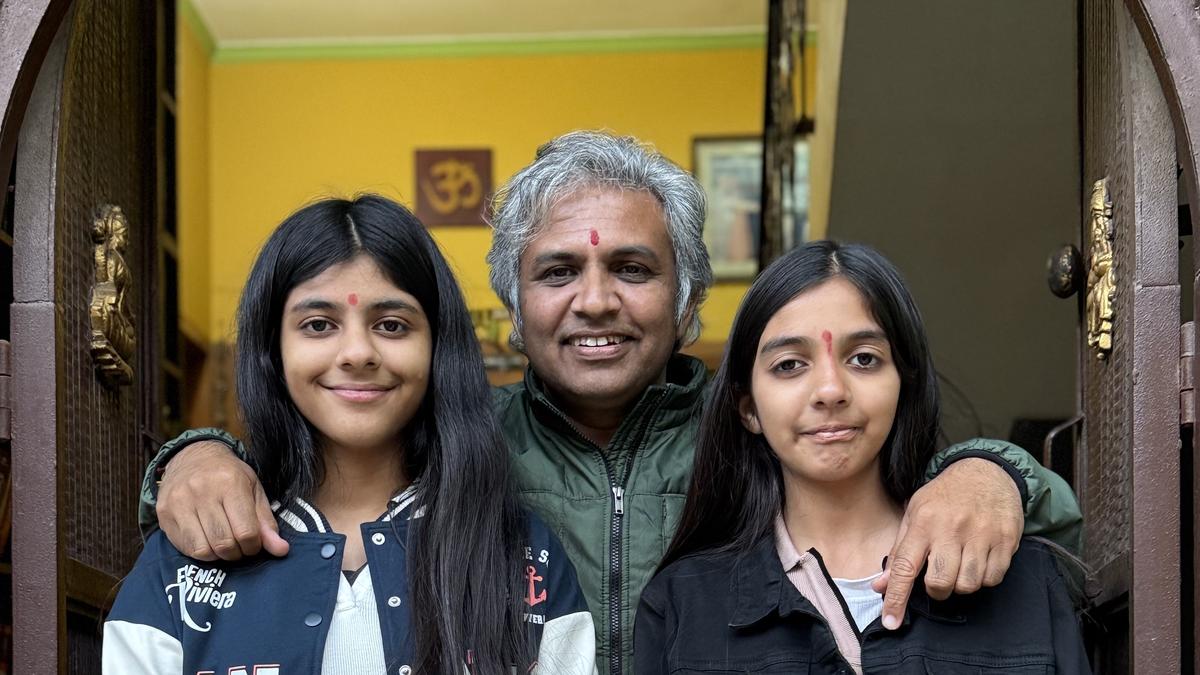
Sunil Jaglan advocates for gender equality, empowering both women and men through innovative campaigns and personal transformation.
Sunil Jaglan, 43, is evidence that the birth of a daughter can inspire a man to smash the patriarchy. His childhood home followed that classic Indian rule: housework is the woman’s job.
“My father was a teacher but even on his holidays, he would be reading the newspaper as my mother served him,” he says. “My habits were the same.” Jaglan was waited hand on foot by his three younger sisters. “We all studied but they also had to do housework and my work,” he adds. “Wash my clothes, give me chai or I would say, ‘I want to eat namkeen chawal [savoury rice]’.”
Now, he is a gender advocate with whom women share their most intimate problems. Jaglan is their window to a more equitable world and they discuss everything, from domestic violence and late periods to vaginal health and hormonal imbalance.
It helps that he has great ideas, like his viral 2015 ‘Selfie With Daughter’ campaign that urged proud fathers to take photographs with their daughters to fight female foeticide. He received 8 lakh images from around the world. That’s only one of a 100 or so campaigns around gender equity that Jaglan has conjured up after his first daughter, Nandini, was born in 2012.
When he distributed sweets to celebrate her birth, he got sympathy and condolences. That was his Eureka moment. By then, the mathematics postgraduate was two years into his five-year stint as sarpanch (village leader) of the Bibipur Gram Panchayat in Haryana. That year, he organised a khap mahapanchayat in which women participated. They invited hundreds of khap leaders to support them in a campaign against female foeticide. The State’s sex ratio has climbed to 923 in 2025, from 850 in 2012.
Many of Jaglan’s early ideas focused on foeticide but later they expanded to include issues such as ‘Womaniya GDP’, a campaign to compensate women for household chores or ‘Gaali Bandh Ghar’, an effort to prevent sexist abuses, and ‘Women’s Happiness Chart’ that logged the number of hours in a day that women felt happy. “They are so happy when there is a programme in the village, but they don’t feel that same joy at home,” he says.


Sunil Jaglan advocates for gender equality, empowering both women and men through innovative campaigns and personal transformation.

R N Ravi was sworn in as the 22nd governor of West Bengal, succeeding C V Ananda Bose in a formal ceremony.

Tensions rise in Manipur as 21 Nagas are released after captives were held amid violence, leading to recovered Kuki bodies.

CM Stalin assures Tamil Nadu residents of sufficient fuel stocks, urging calm amid rising demand and panic buying at outlets.

Discover how Mayyur Girotra transforms historic textiles into luxury couture, blending tradition with modern design in The Collectables.

Telangana schools will have half-day sessions from March 15 to April 23, 2026, operating from 8:00 a.m. to 12:30 p.m.

Join the Tholu bommalatta artisans in Hyderabad on March 15 for a captivating shadow puppetry session of Sundarakanda.

Yuki Bhambri reaches his first ATP Masters 1000 semifinal in Indian Wells, partnering with Andre Goransson to secure victory.

Telangana CM directs plans for ring roads around district headquarters and electric vehicle initiatives to enhance cleaner transportation and connectivity across the state.

Directed by Hemanth M Rao, ‘666 Operation Dream Theatre’ stars Dhananjaya in the lead role and Shivarajkumar in a pivotal character

YSRCP struggles to regain relevance after a drastic electoral decline, facing challenges and controversies in Andhra Pradesh politics.

Paper Gardens: Art, Botany, and Empire offers insights into the history of botanical illustration in colonial India and the often-uncredited Indian artists behind these works

Mysuru MP urges inclusion of the city in the 'urban economic zone' scheme to enhance infrastructure and development opportunities.