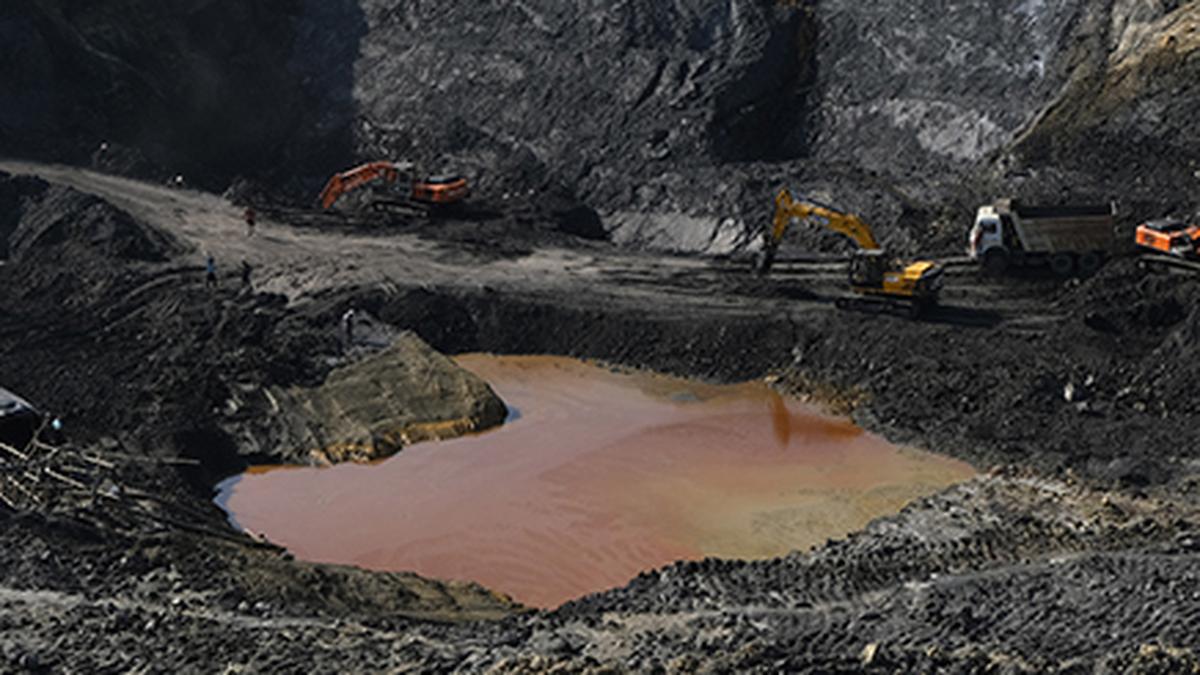
Coal mining regulations hit Article 371A wall in Nagaland
The Hindu
Article 371A of the Constitution of India has been the major hurdle in the Nagaland government’s efforts to regulate small-scale illegal coal mining activities in the State. The coalition government headed by Chief Minister Neiphiu Rio has been under pressure to regulate coal mining activities after six miners died in an explosion in a rat-hole mine near Ruchyan village in the Wokha district on January 25
GUWAHATI Article 371A of the Constitution of India has been the major hurdle in the Nagaland government’s efforts to regulate small-scale illegal coal mining activities in the State.
Specific to Nagaland, Article 371A has special provisions guaranteeing the protection of land and its resources apart from the Naga customary law and procedure.
The coalition government headed by Chief Minister Neiphiu Rio has been under pressure to regulate coal mining activities after six miners died in an explosion in a rat-hole mine near Ruchyan village in the Wokha district on January 25.
On February 27, Mr. Rio and Deputy Chief Minister T.R. Zeliang told the Nagaland Assembly that Article 371A had impeded ensuring scientific mining of coal across five districts in the State.
These five districts are Longleng, Mokokchung, Mon, Tuensang, and Wokha. According to the State’s Geology and Mining Department, 45 coal mining licence holders operate in these districts.
Raising the issue during the second day of the Assembly’s budget session, National People’s Party MLA Nuklutoshi Longkumer said numerous illegal and unscientific coal mining operations were posing a serious threat to human and environmental health in Nagaland.
The Chief Minister agreed but attributed the difficulty in making these mines accountable to the special Constitutional provisions for the State and the prevalent land-holding system giving ownership to the community.


Civil society urges Amit Shah to direct police vigilance against open threats of communal violence in Uttam Nagar, Delhi.

PMK leader Anbumani blames alcohol and drug abuse for rising suicides in Tamil Nadu, criticising government inaction.

Bifurcation of Dindigul district is a key election issue, promising focused development and administrative improvements.

Election awareness campaigns gather momentum

Pylontech Advances Southeast Asia Strategy with 150MWh Energy Storage Agreement in Vietnam

BJP announces second list of 111 candidates for West Bengal Assembly polls, including Priyanka Tiberewal and Sumana Sarkar.

Traders urge Election Commission to raise the ₹50,000 cash limit, citing inflation and practical challenges during Tamil Nadu elections.

Kerala CM Pinarayi Vijayan to file nomination from Dharmadam, seeking third term amid tough competition in 2026 polls.

Water level in Mullaperiyar dam was 114.05 feet

PM Modi discussed West Asia peace, condemned Oman's sovereignty violation, and emphasized safe navigation through the Strait of Hormuz.

Contact details of election observers in The Nilgiris released for submitting poll-related complaints during Assembly elections.

Collector directs return of seized cash upon valid document verification amid voter enrollment and election preparations in Erode district.

Telangana Deputy CM Bhatti Vikramarka to present 2026-27 budget on March 20, 2026 , likely to balance welfare, development amid huge fiscal and revenue deficits in the State.