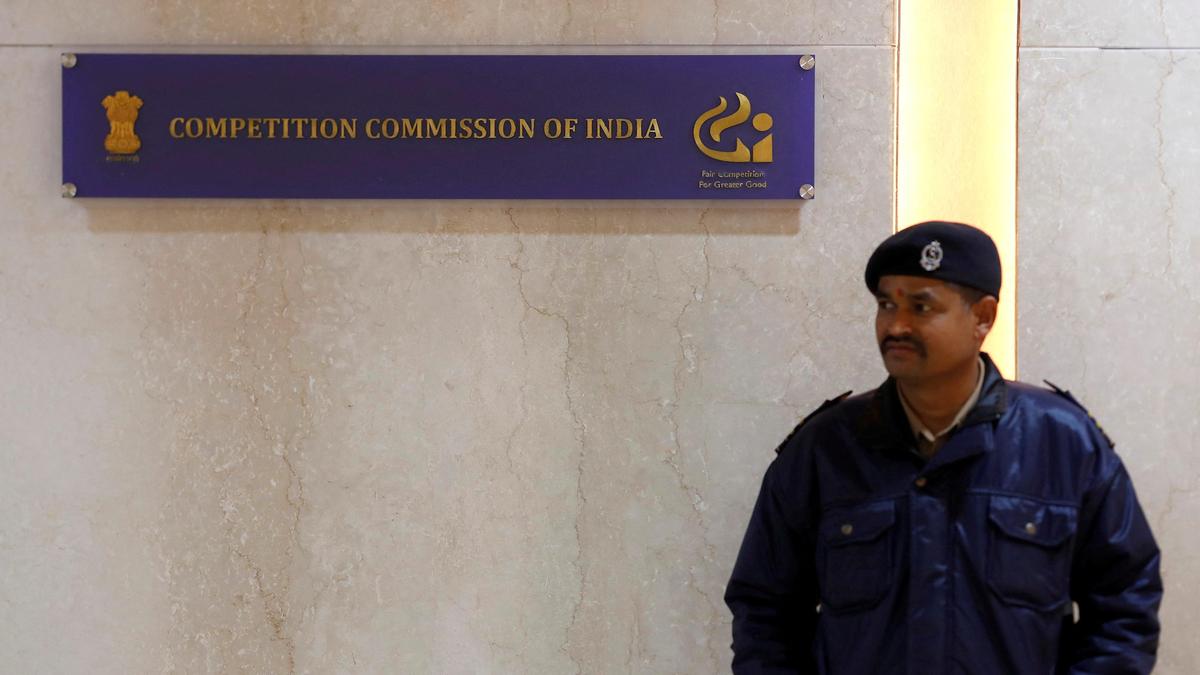
CCI probes IndiGo for dominance abuse, fare hikes after December flight cancellations
The Hindu
CCI investigates IndiGo for potential fare hikes and abuse of dominance following December flight cancellations affecting thousands of passengers.
The Competition Commission of India (CCI) has ordered a probe into IndiGo for allegedly using its strong market position to increase airfares after cancelling flights across its network in December.
“It is observed that passengers who had booked tickets were left with no real choice but to accept last-minute cancellations. Further, passengers were left to seek alternatives, on their own, at significantly higher prices,” notes the CCI in its order dated February 4.
Between December 3 and December 10, IndiGo cancelled nearly 4,200 flights. In November, it had already cancelled about 900 flights. In total, around 5.9 lakh passengers were affected by these cancellations up to December 9.
The CCI adds that “given IndiGo’s dominant position, consumers were effectively locked in and lacked viable alternatives”. Further, “by cancelling thousands of flights constituting a significant portion of the scheduled capacity, IndiGo effectively withheld its service from the market, creating an artificial scarcity, limiting consumer access to air travel during peak demand.”
These factors make the airline violative of two provisions of the Competition Commission Act 2002 that prohibit abuse of market dominance, the CCI order states.
These provisions include abuse of dominant position that directly or indirectly imposes unfair or discriminatory condition and price in purchase or sale (including predatory price) of goods or services.


Stock markets recover as Sensex and Nifty bounce back following a three-day slump, driven by value-buying in blue-chip stocks.

U.S. President Donald Trump’s administration is set to receive a roughly $10 billion fee from investors in the recently completed deal to take control of TikTok’s U.S. business, the Wall Street Journal reported

Meta is planning sweeping layoffs that could affect 20% or more of the company, three sources familiar with the matter told Reuters

Learn how to choose the best personal loan lender by evaluating eligibility, interest rates, and borrowing experience.

Discover why pension planning is essential in modern India to ensure financial security and peace during retirement.

The U.S. has launched two investigations under Section 301 of the Trade Act of 1974 against India and other economies to examine practices that may be ‘unreasonable or discriminatory and burden or restrict U.S. commerce’. One probe examines whether countries, including India, are using excess manufacturing capacity to export to the U.S. in a manner that hurts American businesses, while another looks at whether countries have taken ‘sufficient steps’ to prohibit imports of goods produced with forced labour.

NHAI raises annual pass fee to ₹3,075 from April 1, 2026, streamlining toll payments for FASTag users.

The U.S. probes forced labour in global supply chains, scrutinizing China and India's exports, warns the Global Trade Research Initiative.

The Hindu collection of images of the LPG crisis: War lights a kitchen fire

The company, which launched its IPO in 2020, is now listed on the National Stock Exchange as well as the Bombay Stock Exchange.

Explore the Essential Commodities Act's role in addressing India's gas crisis and its impact on various sectors.

Star Health Insurance plans to boost AI-driven claim settlements from 20% to 50% within two years, investing heavily in technology.

The iron ore production has increased by nearly two-thirds since 2015