‘Bengaluru start-up ecosystem has had trickle-down impact on rural Karnataka’s entrepreneurial aspirations’ Premium
The Hindu
The low women’s labour force participation has been slowing India’s economic growth, but the future looks positive, says Anand Sri Ganesh, CEO of NSRCEL at IIM Bangalore.
India has been riding the start-up and entrepreneurship wave for a while now, however, the share of women entrepreneurs has been significantly low. While NITI Aayog figures from 2022 peg the number of women entrepreneurs running micro, medium, and small enterprises at around 20 percent, other reports note that the share of women entreprenurs in India have been hovering around 14 percent.
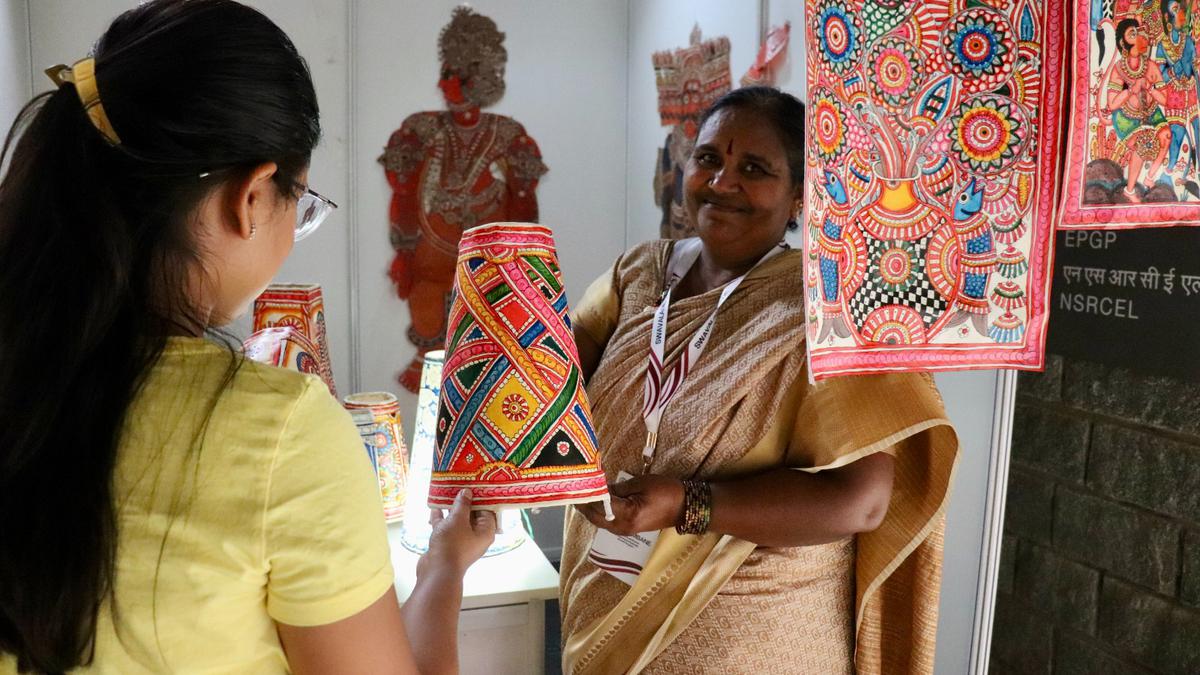
NSRCEL, the incubation arm of IIM Bangalore, in collaboration with the Karnataka State Rural Livelihood Promotion Society (KSRLPS), recently launched the Swavalambane program designed to scale and support women-owned non-farm businesses in rural Karnataka. The programme provides scaling opportunities to 150 women entrepreneurs.
Anand Sri Ganesh, CEO of NSRCEL at IIM Bangalore, spoke to The Hindu about the programme, the need for more women entrepreneurs, and the trickle-down impacts of Bengaluru’s start-up ecosystem.


Watch the thrilling trailer for 'Dune: Part Three,' showcasing epic battles and Paul Atreides' struggle with power and resistance.

TMC announces candidates for 2026 Bengal Assembly elections, contesting 291 seats; BGPM to handle three Darjeeling hill seats.

DMK finalizes a seat-sharing deal with CPI for Tamil Nadu elections, allotting five seats amid ongoing discussions with CPI(M).

Parliament Budget Session LIVE: Follow The Hindu's latest updates on the Parliament Budget Session on March 18, 2026.

Severe storms cause over 1,100 flight cancellations and 7,300 delays across the U.S., exacerbating travel chaos amid a government shutdown.

Three MBBS students tragically died in a scooter accident in Kozhikode, Kerala, early Wednesday morning.

Microsoft said on Tuesday it is reorganising its Copilot teams by unifying its commercial and consumer versions, as the tech giant rushes to improve its artificial intelligence assistant to drive better adoption.

Poco has launched the new X8 Pro series smartphones in India, consisting three phones: the Poco X8 Pro Max, Poco X8 Pro, and the special edition Poco X8 Pro Iron Man Edition

Morocco is crowned African football champion after Senegal forfeits the final due to a controversial walk-off protest.

Israeli tank fire reportedly hit a U.N. base in Lebanon, wounding Ghanaian peacekeepers amid rising tensions with Hezbollah.

LPG shortages in India force schools to revert to firewood, increasing burdens on women workers in mid-day meal schemes.

Discover the dramatic history and significance behind Tamil Nadu's name change from Madras on January 14, 1969.

Researchers found that interbreeding between Neanderthals and early modern humans favoured male Neanderthals mating with female modern humans.