Bad Bunny lyrics to know before his 2026 Super Bowl halftime show
CBSN
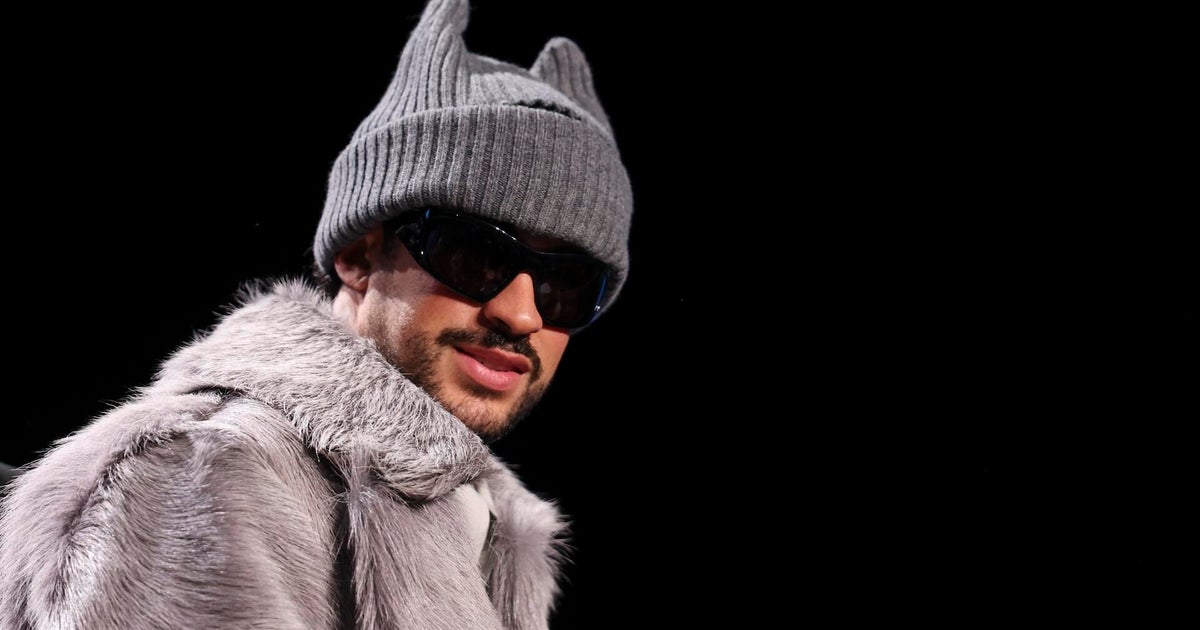
When Bad Bunny takes center stage for the 2026 Super Bowl LX halftime show on Sunday at Levi's Stadium in Santa Clara, California, he'll be the first artist with a primarily Spanish-language repertoire to do so. Debí tirar más fotos de cuando te tuveDebí darte más beso' y abrazo' las vece' que pudeEy, ojalá que los mío' nunca se muden Ey, ey, ey, 4 de julio, 4th de JulyAndo con mi primo, borracho, rulayLos mío' en El Bronx saben la que hayCon la nota en high por Washington Heights Quieren quitarme el río y también la playa Quieren el barrio mío y que abuelita se vaya No, no suelte' la bandera ni olvide' el lelolai Que no quiero que hagan contigo lo que le pasó a Hawái Ey, 'tá empezando a llover, otra vez va a pasar Por ahí viene tormenta, viene temporal 'Tá empezando a llover, otra vez va a pasar Por ahí viene tormеnta, ¿quién nos va a salvar? Vo'a llevarte pa' PR, mami, pa' que vea' cómo es que se perrea Tráete a tu amiga si te gusta la idea Dile que esta noche vamo' a janguear Que rico la vamo' a pasar Aquí nadie se va a casar Pero tú te va' a querer quedar No, no te puedo olvidar No, no te puedo borrar Tú me enseñaste a querer Me enseñaste a bailar In:
When Bad Bunny takes center stage for the 2026 Super Bowl LX halftime show on Sunday at Levi's Stadium in Santa Clara, California, he'll be the first artist with a primarily Spanish-language repertoire to do so.
These are some of his most impactful lyrics, in Spanish and English, as the Puerto Rican artist prepares to make music history.
Debí tirar más fotos de cuando te tuveDebí darte más beso' y abrazo' las vece' que pudeEy, ojalá que los mío' nunca se muden
I should have taken more photos when I had youI should have given you more kisses and hugs the times that I couldHopefully my loved ones will never move
Perhaps the most popular song of his most recent album — which won the Grammy for Album of the Year — "DtMF" captures the nostalgia and longing to make more out of everyday moments, a sentiment that many immigrants describe as a consequence of being away from home.


The story of America can be told through the lyrics of folk music – songs of the Great Depression, the civil rights era, and the social revolutions of the 1960s. As folk singer Pete Seeger put it in 1967, "A song isn't a speech; a song is not an editorial. If a song tries to be an editorial or a speech, often it fails as a song. The best songs tell a story, paint a picture, and leave the conclusion up actually to the listener."