As West Asia war threatens gas supply, remembering a gas grid India never built Premium
The Hindu
Explore India's missed opportunity in establishing a national gas grid amid the ongoing West Asia war's impact on energy supplies.
The ongoing war in West Asia has plunged the world into a deep energy crisis. In India, the availability of domestic fuel, LPG, has been hit due by the disruption in supplies from the Persian Gulf. The global energy crisis is reminiscent of the Oil Shock of 1973 when members of the Organisation of Petroleum Exporting Countries (OPEC) cut oil production and slashed exports to protest the U.S.’s support for Israel in the Yom Kippur War. India responded by exploring alternative sources of energy, offshore oilfields in Bombay High, and by experimenting with new technologies.
One technological option that found a second life this way was coal gasification.
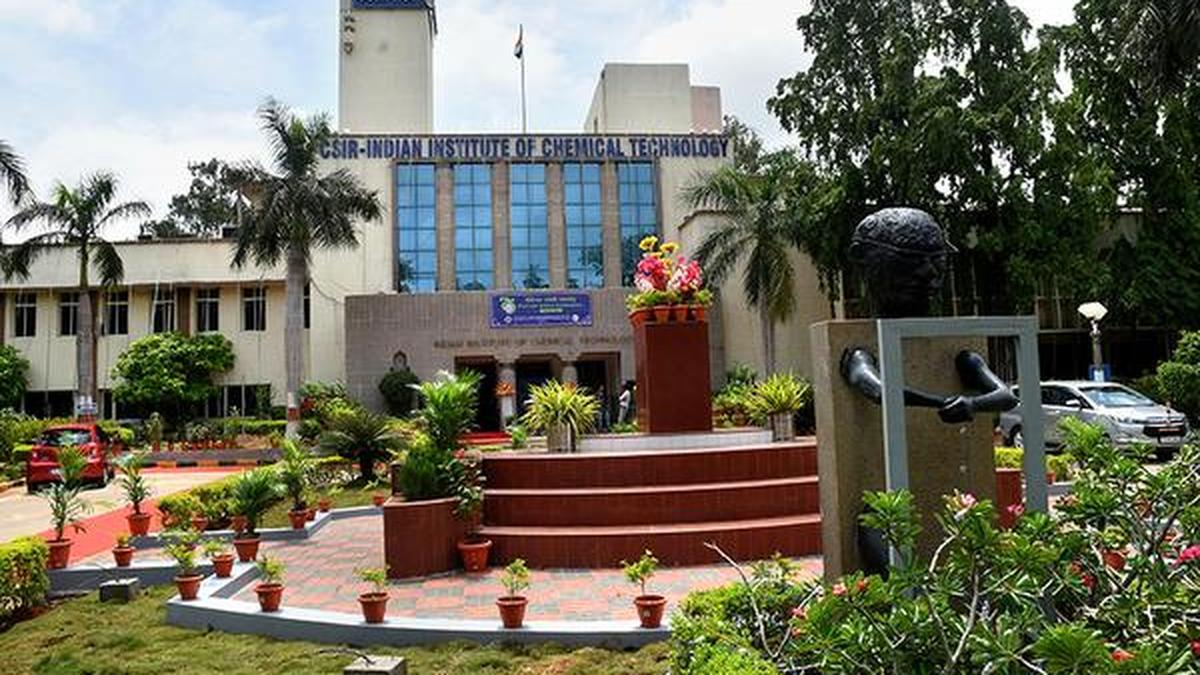
The idea of using gasified coal to meet some of India’s fuel needs first emerged in 1955 when Syed Husain Zaheer, director of the Regional Research Laboratory Hyderabad (RRLH) — now the CSIR-Indian Institute of Chemical Technology (IICT) — and later director-general of CSIR, submitted a plan to Prime Minister Jawaharlal Nehru for a cross-country national gas grid. The plan envisaged the use of fuel gas produced from gasifying of coal and its supply through pipelines for domestic and industrial use. Zaheer believed fuel gas of high calorific value could be produced by completely gasifying non-caking fuels such as shale coal, lignite, and bituminous coal, all found in India.
The technology involved gasifying coal using high pressure to form hydrocarbons and using oxygen to maintain a high thermal efficiency. It started with converting the sulphur present in the coal to hydrogen sulphide (H2S) and small amounts of carbonyl sulphide (COS). Sulphur compounds are then removed from the gas stream and separated acid gas is further processed to recover elemental sulphur.
The gas was further cleaned using water scrubbing to remove any remaining particulate matter.
In the 1940s, coal gasification was used at a commercial scale to provide town gas for street lighting in Europe and the U.S. But the concept’s techno-economic feasibility had yet to be established for Indian coal.


LPG refill backlogs now range from 4 to 12 days as panic bookings decline amid ongoing restrictions, say distributors.

Acid attack on a minor girl sparks protests and Assembly outrage, with demands for swift justice and government accountability.

Three luxury cars were destroyed in a fire at a Vellore workshop, damaging nearby houses but causing no injuries.

Kerala's Pala constituency braces for a high-stakes three-way battle in the 2026 Assembly elections amid evolving political dynamics.

Delhi CM announces ₹10 lakh compensation for families of fire victims in Palam, pledging a magisterial probe for safety improvements.

As Tamil Nadu's assembly elections approach, Chepauk-Thiruvallikeni voters demand better civic solutions and security amid a competitive political landscape.

Justice Kurian Joseph urges graduates to value dignity over status and promote equality and respect in society.

Supriya Sahu highlights the ongoing gender disparities in skill training opportunities for women at FICCI FLO's ceremony.

Height restrictions near airports are stifling Bengaluru's growth, prompting calls for a review to boost development potential.

Meta challenges Delhi HC ruling on CCPA fine for walkie-talkie sales, arguing Facebook is not an e-commerce platform.

U. Nirmala Rani, AIDWA leader and advocate, passes away at 60, leaving a legacy in women's rights and justice.

‘Serve society with honesty and sincerity’

Jagan attends Iftar in Vijayawada, promoting unity, harmony, and communal respect during the sacred month of Ramzan.