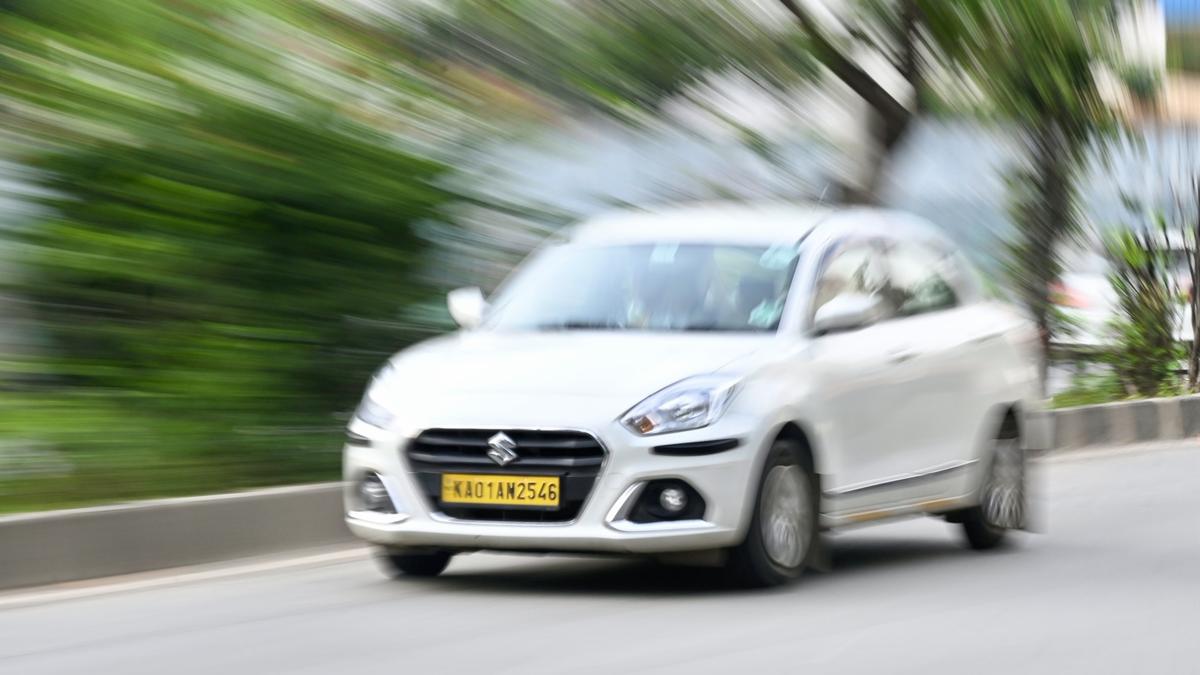
As bike taxi ban looms, Bengalureans turn to carpooling for daily commute
The Hindu
Bengaluru bans bike taxis, leading commuters to embrace carpooling for affordable and reliable daily travel options.
With Bengaluru preparing to implement a ban on bike taxis following a recent High Court directive, commuters in the city are being forced to rethink their daily travel choices. Among the emerging alternatives, carpooling is rapidly gaining popularity, especially among working professionals and students seeking affordable and reliable options.
The shift comes after the Karnataka High Court on April 2 ordered app-based transport providers like Rapido, Ola, and Uber to stop offering bike taxi services within six weeks.
For thousands of daily commuters, bike taxis have been a low-cost, time-saving solution in the traffic-congested city. “Bike taxis were often the cheapest alternative after BMTC buses and the metro. With their recent fare hikes, we’re running out of budget-friendly choices,” said Pavithra G., a daily commuter from Jayanagar.
Public transport costs have surged in recent months, compounding the challenges for daily travellers. From April 1, the State government increased the sales tax on diesel, pushing fuel prices up by ₹2 per litre. Around the same time, metro fares jumped by as much as 71%, and BMTC bus fares saw a 15% hike. This trifecta of rising costs has left commuters scrambling for alternatives that won’t burn a hole in their pockets.
In this context, carpooling has emerged as a viable and sustainable option. Several carpooling platforms are witnessing increased user interest. QuickRide, one of the more established platforms, is catering specifically to intra-city commuters heading to office districts. Other apps like GoPool and QuicReach are operating using yellow-board commercial vehicles to connect passengers on similar routes.
The legality of carpooling in Bengaluru had previously raised questions, but the Karnataka government in 2023 clarified that such services are permitted as long as they are not profit-driven. While the transport department had announced its intention to frame a dedicated carpooling policy, the official guidelines are still awaited.
For many in the city, carpooling is not just an economical choice but a necessity in the current situation.


The government plans to amend the FCRA, introducing new regulations for NGO asset management and accountability for key functionaries.

The draft policy for “Responsible Digital Use Among Students”, released on Monday by the Department of Health and Family Welfare, has recommended that parents set structured routines with clear screen-time rules and prioritise privacy, safety, and open conversation with children on digital well-being.

Police Observer Sushant Kumar Saxena conducts surprise inspection at Shencottai police station, reviewing warrants and security arrangements ahead of elections.

Andhra Pradesh government to launch key projects in April, focusing on industrial growth and infrastructure development, says Nara Lokesh.

Lok Sabha refers the Corporate Laws (Amendment) Bill to a JPC amid opposition concerns over CSR provisions dilution.

SHG members in Kanniyakumari use snakes and ladders to raise election awareness and boost voter turnout.

Government accelerates consultations for early implementation of the Women’s Reservation Act to ensure women’s representation in 2029 elections.

CM A. Revanth Reddy distributes ₹1 crore insurance cheques to families of deceased Electricity department employees, enhancing financial security for workers.

The Bengaluru Traffic Police (BTP) registered 634 cases of drunk driving during a week-long special enforcement drive conducted across the city between March 16 and March 22.

GHMC intensifies action against property tax defaulters, seizing properties and offering a One Time Settlement scheme for payments.

CCB arrests three drug peddlers in Mangaluru, seizing ₹2.5 lakh worth of MDMA and other valuables.

TVK's 28 candidates in Puducherry include former BJP MLAs, a sitting Independent, and a retired police IG.

BRS submits notice on private member bill to Speaker