All you need to know about: auto-brewery syndrome
The Hindu
Discover essential insights about auto-brewery syndrome, a rare condition causing intoxication from gut-produced ethanol.
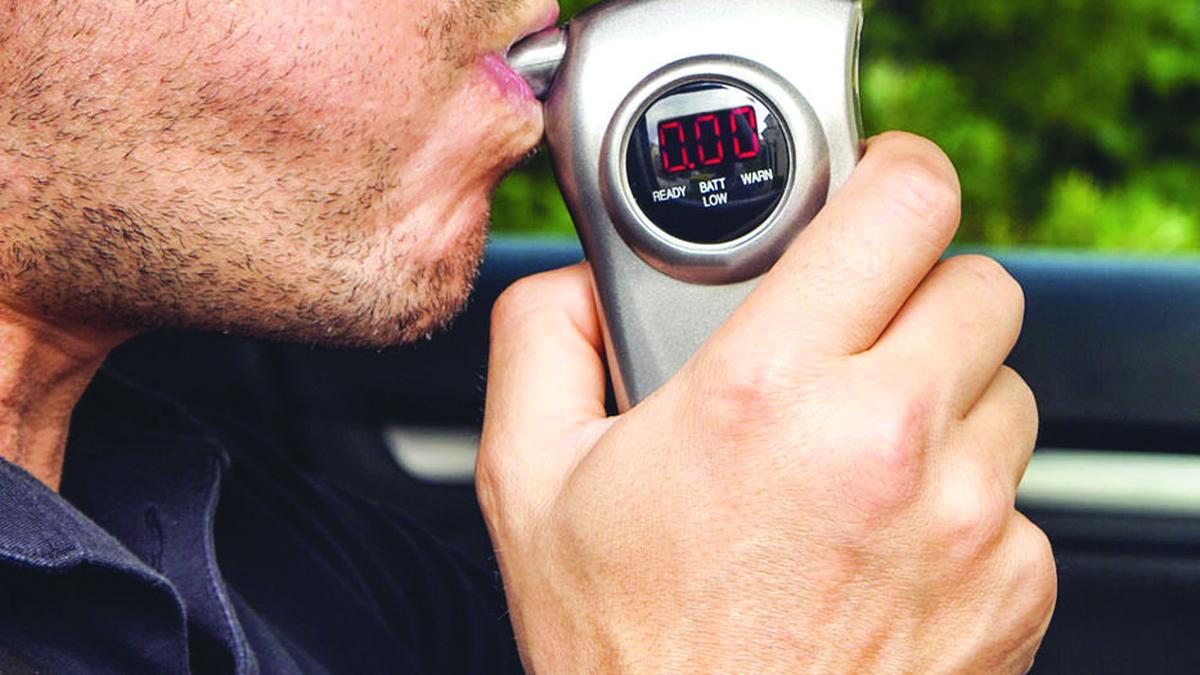
A small number of people in the world experience a strange condition in which they feel drunk, and exhibit signs and effects of drunkenness (like slurred speech and tipsyness), despite not having consumed any or very minimal amounts of alcohol.
This medical condition, known as auto-brewery syndrome (ABS) or gut fermentation syndrome, is rather rare, and occurs when bacteria or fungi in the gut produce high levels of ethanol, especially after a carbohydrate-heavy meal, causing symptoms of intoxication.
Instances of this condition were first reported in Japan in the 1950s, but it continues to be underdiagnosed. Apart from the physical effects, like stomach ache, nausea, vomiting, hangovers, and even alcohol poisoning when levels are too high, this syndrome can get in the way of normal life and also lead to serious legal and social consequences.
Here’s all you need to know about auto-brewery syndrome:
Our gut contains a wide variety of microbes, including some that produce alcohol, such as Saccharomyces cerevisiae, also known as brewer’s yeast. Usually, after consuming carbohydrate-rich food, these microbes produce a minuscule amount of ethanol, which, under ideal circumstances, is metabolised before it reaches the bloodstream.
However, in people with auto-brewery syndrome, these microbes – whether fungi or bacteria – produce ethanol at high rates, making it difficult for the body to clear it properly and efficiently.


Shorts News:Melania Trump presents humanoid AI robot that speaks Bengali, 10 other languages

Explore the historical and industrial significance of Ariyalur constituency, highlighting its challenges, agriculture, and political landscape.

SDPI withdraws candidate in Manjeswaram, easing vote-splitting concerns for UDF amid Kerala Assembly polls.

Madras High Court hears PIL to ban toxic chemicals in sanitary pads and diapers, seeking government response on health regulations.

Air India's A350 aircraft returns to Delhi due to technical issues after a seven-hour flight to London.

Get essential traffic and parking info for IPL matches at Chinnaswamy Stadium in Bengaluru; plan your visit now!

Discover essential insights about auto-brewery syndrome, a rare condition causing intoxication from gut-produced ethanol.

A major fire at a Kerala oil recycling company claimed one life and injured another, prompting extensive firefighting efforts.

VCK announces candidates for three seats in Puducherry Assembly elections, highlighting discord within the INDIA bloc alliance.

At Theta Theta Telugu or T3 in Hyderabad, traditional Telugu cuisine is reimagined with contemporary flair and elevated presentation

NGT mandates strict monitoring of debris and construction activities along Cooum river during Chennai's elevated corridor project to protect the environment.

A tragic bus accident in Markapuram leaves a woman and her infant feared dead, raising safety concerns for migrant workers.

Telangana government uses social media to dispel fuel shortage rumors amid panic buying at petrol stations in Hyderabad.