A millennium-old mystery over the murder of a Chola prince
The Hindu
It is a millennium-old murder mystery that remains unresolved. The assassination of Aditya Karikala, the son of Sundara Chola and the elder brother of Raja Raja I, in mysterious circumstances in 969 BCE, baffles historians and history buffs alike, since it took place when his father was in power.
It is a millennium-old murder mystery that remains unresolved. The assassination of Aditya Karikala, the son of Sundara Chola and the elder brother of Raja Raja I, in mysterious circumstances in 969 BCE, baffles historians and history buffs alike, since it took place when his father was in power.
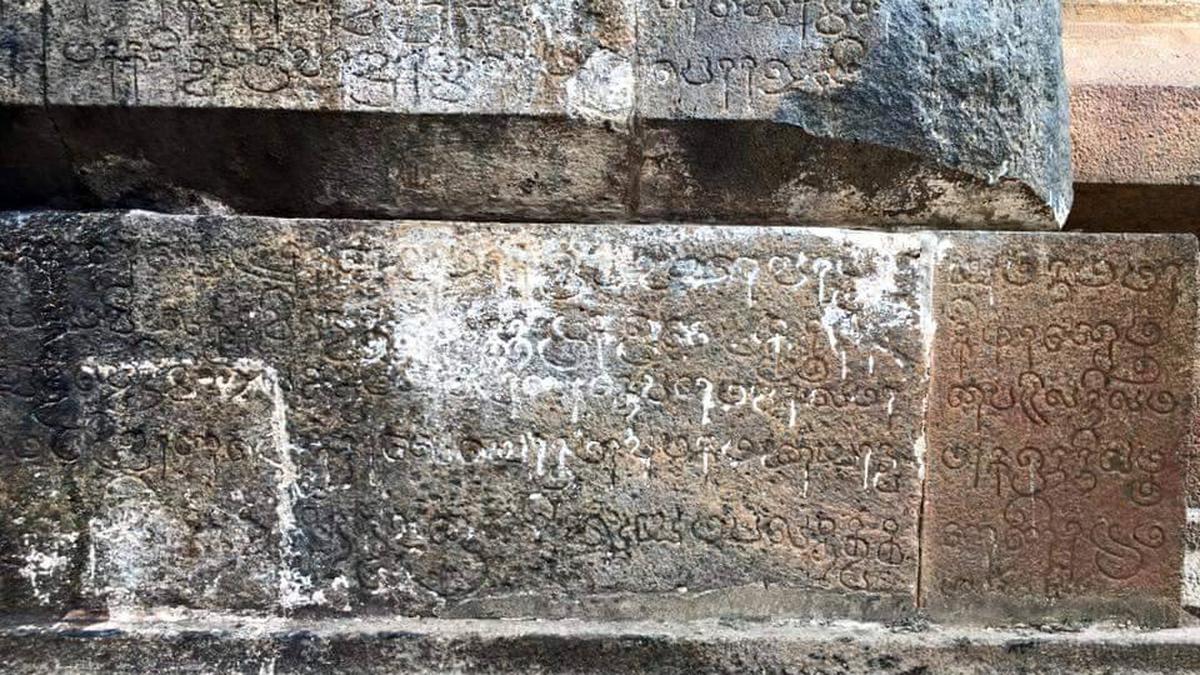
Except for a stone inscription at Udayarkudi in the present day Cuddalore district that talks about the punishment handed to four persons who were part of the conspiracy to kill Aditya Karikala, there is hardly anything that points the finger at the assassins.
Historians, including K.A. Nilakanta Sastri, Sadasiva Pandarathar and K.K. Pillai, have differences of opinion and have come out with their own interpretations. The assassination also left behind the question how the Chola empire might have taken shape had Aditya Karikala become the king instead of Raja Raja I, as the brothers were said to have been miles apart in their approach towards all issues.
Aditya Karikala, alias Aditya II, has been described as a great warrior, known for his valour, bravery and fierce temper, the qualities exemplified on screen by actor Vikram in the film Ponniyin Selvan I. In history, he was known as ‘Pandiyan Thalaikonda Parakesari’, a reference to the fame he had gained by beheading Pandya King Veerapandian. As the elder son of Sundara Chola, he was the rightful heir to the throne, but Uttama Chola, who was too young to become the king at the time of the death of his father Gandaraditya (Sundara Chola’s uncle), replaced Sundara Chola. As per a compromise reached earlier, Sundara Chola’s sons were to become heirs of the throne after Uttama Chola.
Nilakanta Sastri, author of The Cholas, after ascertaining that the inscriptions at Udayarkudi in Kattumannarkudi taluk were issued by Raja Raja I himself, raises a pertinent question: why the murder of Aditya II “remained unavenged throughout the sixteen years in which Uttama Chola ruled, Sundara Chola himself having either died of a broken heart soon after the murder, or after having found the natural course of justice obstructed by a powerful conspiracy”.
Sundara Chola died in his golden palace at Kancheepuram and was known as “ Ponmaligaitunjiya Devar”.
Nilakanta Sastri argues that “it seems impossible under the circumstances to acquit Uttama Chola of the part of the conspiracy that resulted in the foul murder of the heir-apparent”. But his views are rejected by Sadasiva Pandarathar and K.K. Pillai, a student of Nilakanta Sastri.


Lok Sabha Speaker Om Birla emphasizes the importance of Question Hour over meetings and urges decorum during obituary references.

Karnataka approves 300-bed Puttur Government Medical College Hospital project, enhancing healthcare in the coastal region.

Explore the court challenge to MGR's Andipatti election, focusing on the legality of his oath-taking process.

Forest, Ecology and Environment Minister Eshwar Khandre on Wednesday instructed forest department officials to ensure maintenance of elephant trenches and hanging solar fences, which have been installed in Kodagu district to control human-elephant conflict.

Humayun Kabir's Aam Janata Unnayan Party will contest 182 seats, challenging Mamata Banerjee in Bhabanipur with a Muslim candidate.

Justice Swaminathan adjourns contempt hearing until April 9, expressing frustration over manipulation in the Thirupparankundram case.

Hyderabad's LGBTQIA+ community protests against the Transgender Persons Amendment Bill, advocating for trans rights and human dignity.

Sharmila criticizes Avinash Reddy's remarks on Viveka’s murder, calling Jagan a disgrace and questioning his leadership and support.

All the three major political fronts appear to be drowned in indecision when it comes to officially declaring their candidates for the prestigious Thiruvananthapuram Assembly constituency.

BJP protests for MCC council elections, claiming mismanagement and corruption, threatens to escalate protests if demands are unmet.

Hyderabad Collector assures no LPG shortage, urges residents to avoid panic booking and trust available supplies.

Telangana to soon set up nodal agency for flood plain zoning: Irrigation Minister

Patronage on Chennai's MRTS doubles post-extension to St. Thomas Mount, despite complaints about missing amenities at Puzhithivakkam station.