Will Bengal's parties finally put more women on the ballot?
India Today
In the last three Assembly elections, no major party came close to giving women one-third of its nominations.
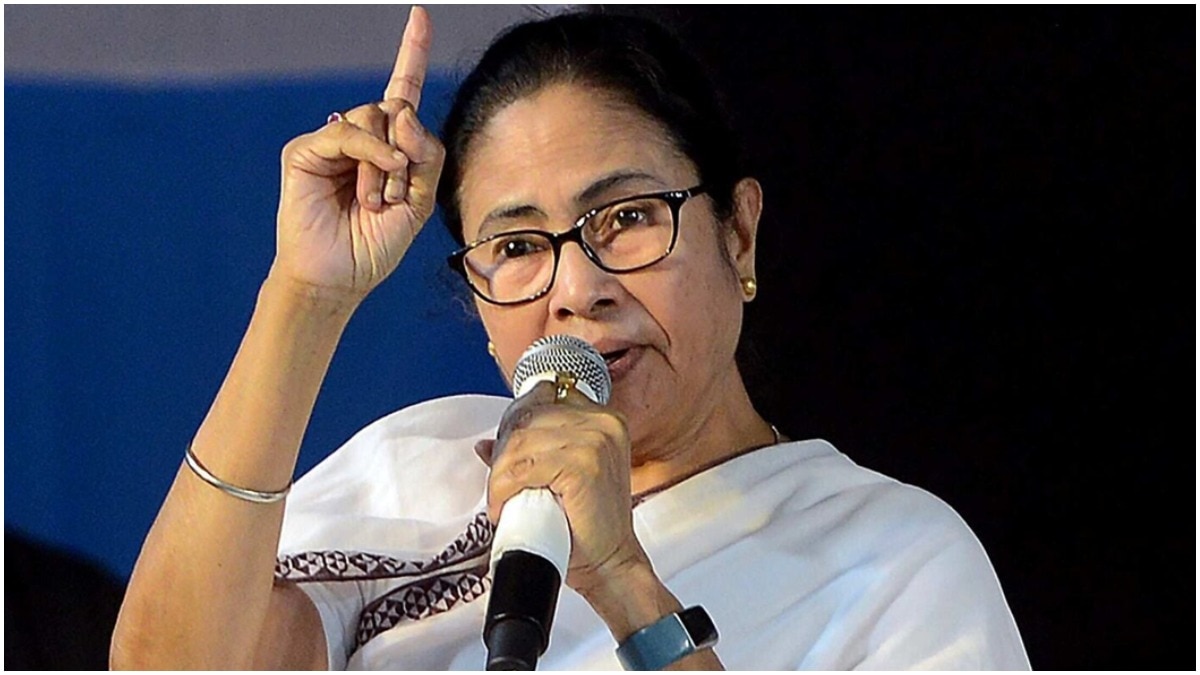
The Nari Shakti Vandan Adhiniyam, which promises 33 per cent reservation for women, won’t be in effect in the upcoming West Bengal Assembly elections. But its passing has raised hopes of a better gender balance in ticket distribution — that and the fact that the state is led by a woman, Chief Minister Mamata Banerjee.
In previous Assembly elections, did major parties in Bengal prioritise women? Or did men continue to dominate nominations despite promises of empowerment?
In the 2011 Assembly election, women’s representation in ticket distribution remained far below one-third across parties. The Trinamool Congress, Mamata Banerjee’s party, allotted 14.2 per cent of its tickets to women. The Bharatiya Janata Party fielded just eight per cent women candidates. The Indian National Congress gave 10.6 per cent of its tickets to women.
The Communist Party of India (Marxist) had the highest share among the major players at 23.8 per cent. But even this was nearly 10 percentage points short of a third.
In the 2016 Assembly elections, the TMC gave 15.4 per cent of its tickets to women, the BJP 11 per cent, the Congress 9.8 per cent, and the CPI(M) 12.8 per cent. All four major parties remained far below the 33 per cent. In fact, not a single party crossed even 20 per cent that year.
In 2021, there was a marginal increase in some parties’ women’s shares of tickets, but the overall picture continued to fall well short of 33 per cent. The TMC allotted 16.6 per cent of its tickets to women. The BJP gave 13 per cent, the CPI(M) 15.1 per cent, and Congress just 7.6 per cent.


The complainant, Vijay Pujar, a Class-1 contractor from Gadag, approached the anti-corruption authorities after he was allegedly asked to pay Rs 11 lakh to secure necessary clearances for the project.

The poll body has published the updated voter list for Rajasthan, recording a substantial number of deletions and additions as part of its Special Intensive Revision exercise. The process is part of a nationwide effort to ensure accuracy and inclusivity in electoral rolls.

The Government of India is reviewing the implications of the US Supreme Court's ruling that termed President Donald Trump's sweeping tariffs illegal.


2 IEDs found in Punjab and Kashmir after Lashkar Delhi terror plot warning

The political temperature has risen in Tamil Nadu ahead of elections over an ED case against senior minister KN Nehru, who has been accused of bribery. The DMK has mounted a strong defence, calling it 'political jealousy'.

A man is accused of killing his 21-year-old wife in Karnataka by smashing her head with a stone after suspecting her fidelity. The accused is on the run and police have formed teams to catch him.

Prime Minister Narendra Modi, after bilateral talks with Brazilian President Luiz Inacio Lula da Silva in New Delhi, set a target to expand bilateral trade beyond USD 20 billion over the next five years.

Leader of Opposition Rahul Gandhi accused Prime Minister Narendra Modi of being "compromised", alleging that the trade deal exposed India to unfair concessions, after US President Donald Trump said the India-US trade deal would remain unchanged despite the court ruling striking down key tariff powers.

Delhi Police told a court that the shirtless Youth Congress protest against PM Modi at the AI Summit was part of a larger conspiracy allegedly inspired by Nepal's violent Gen Z movement.

Preliminary enquiries have raised concerns over unsafe construction in the school, with classrooms allegedly built using temporary materials. Authorities have ordered a probe, while the incident adds to a series of recent fatal school infrastructure collapses reported from across Rajasthan.

The Kerala Story 2 has sparked political outrage and legal scrutiny over its depiction of forced beef consumption and alleged communal references.

Donald Trump has said the India-US tariff arrangement, as per the trade deal, will remain intact. However, the White House has clarified that India will be charged 10% tariff for now. We help clear the confusion for you.