Why the biggest Baloch attack in decades is a wake-up call for US, China
India Today
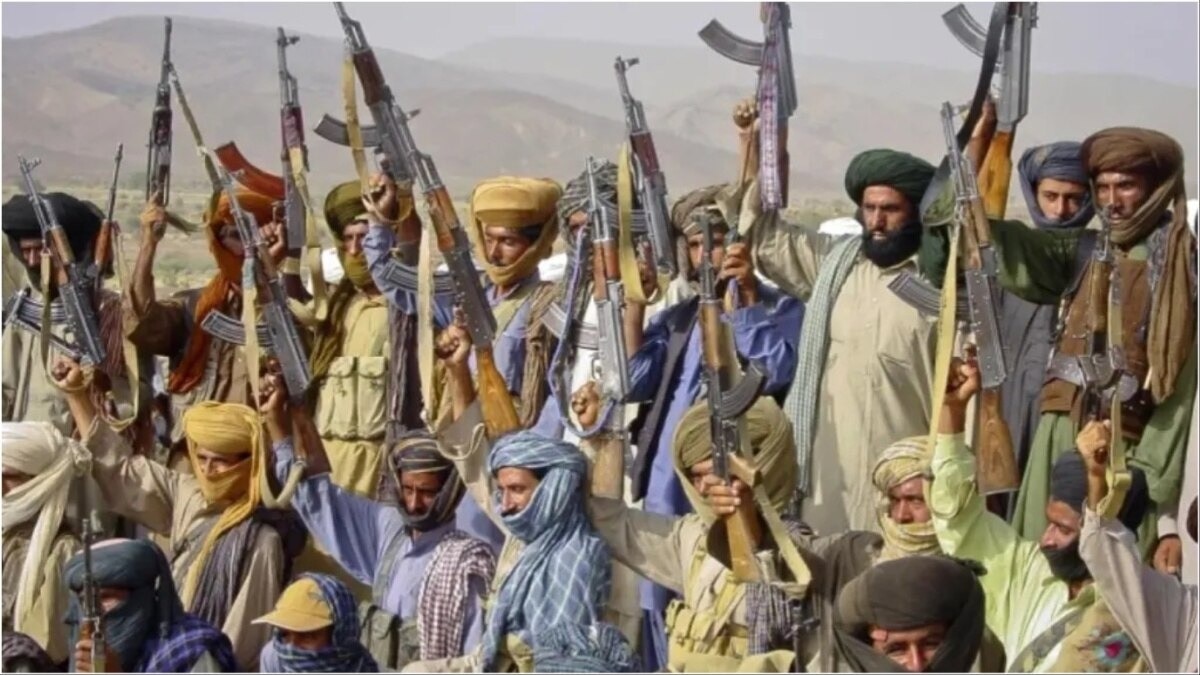
A series of coordinated attacks by BLA rebels across Pakistan's province of Balochistan is a wake-up call to both the US and China. Both countries have high stakes in Balochistan centred around resource extraction and access to alternative trade routes. These moves are fuelling the wave of BLA attacks that have struck Pakistan in the past few years.
Pakistan saw one of its largest militant attacks in decades on Saturday, when across Balochistan, rebels from the Balochistan Liberation Army (BLA) carried out coordinated suicide bombings and attacks targeting civilians, police, military, and paramilitary installations, marking one of the deadliest days in the province.
The scale of the assault serves as a warning for the US and China, both with significant stakes in the region. Despite being underdeveloped, Balochistan holds vast reserves of natural gas and rare minerals, attracting heavy investment from Pakistan, China (via CPEC infrastructure), and growing US interest in critical minerals.
Foreign policy expert Michael Kugelman wrote on X, "Today's attacks in Balochistan should serve as a wake-up call to those, including in the White House, keen to invest in Pakistan's critical mineral reserves. One of the BLA's core grievances is external exploitation of local resources."
The Balochistan Liberation Army (BLA) on Saturday launched coordinated bombings and attacks, dubbing it "Herof 2". Herof is a Balochi literary term meaning "black storm", commonly used in Baloch poetry, including by veteran poet Karim Dashti, according to the news outlet, The Native Voices.
While Herof 1, launched in 2024, largely restricted BLA activity to attacks on security personnel, the scale and scope of Herof 2 were wider.
According to the South Asia Terrorism Portal, citing The Express Tribune and Pakistani military statements, synchronised gun and bombing attacks struck Quetta, Noshki, Mastung, Dalbandin, Kalat, Kharan, Panjgur, Gwadar, Pasni, Turbat, Tump, Buleda, Mangochar, Lasbela, Kech, and Awaran, targeting government buildings, security installations and civilians.


At least 10 people were killed and 59 others injured after a fire, likely triggered by an explosion, broke out at an auto parts factory in the South Korean city of Daejeon. Four others are still missing and rescue operations are underway to find them.

The Shahed-136 drone has emerged as Tehran's weapon of choice in the ongoing war in the Middle East. It was used by Russia in the Ukraine war. The Ukrainians call the Shahed-136 "a moped" because of the sound it makes. Here's more about Shahed-136's unique journey and the reason behind the distinctive sound.

Israel and the US started the Iran war together. But the killing of Larijani and the striking of the South Pars gas field by Israel are being seen as "unilateral" acts. Has Israel gone rogue?

The United States has already increased its naval presence in the Gulf, deploying additional warships and surveillance assets to the region. The latest move is expected to enhance the speed and reach of US operations, allowing for quicker response times against emerging threats.

The statement came as the Norwegian royal family had been at the fore of severe scrutiny due to the Crown Princess's friendship with late sex offender Jeffrey Epstein. Though she has not been accused of wrongdoing, their connection has raised multiple questions.

China poured sixty billion dollars into Pakistan, defended it at the UN, armed its military and mediated its wars. Pakistan responded by letting Chinese workers die and chasing Donald Trump.

Delhi-based influencer Yuvraj Dua used sharp wit and relatable anecdotes to seek Prime Minister Narendra Modi's help to convince his father to cut back on sugar due to his health. The reel quickly went viral, garnering more than 1,80,000 views.


A man shared a heartfelt video thanking a biker who helped an ambulance navigate heavy traffic in Mumbai, acting like a one-man escort to ensure his mother reached the hospital on time.


A Mumbai man offered paid "listening services" for people's problems at a beach, which led to several users praising the simple yet relatable idea of charging to hear others out.

The Trump administration has been pushing for a single legislative framework that can be applied uniformly across the country, rather than leaving states to form their own plans.

A man surprised his mother by arranging a meeting with her childhood crush Jonty Rhodes, capturing her emotional reaction in a heartwarming video that went viral online.