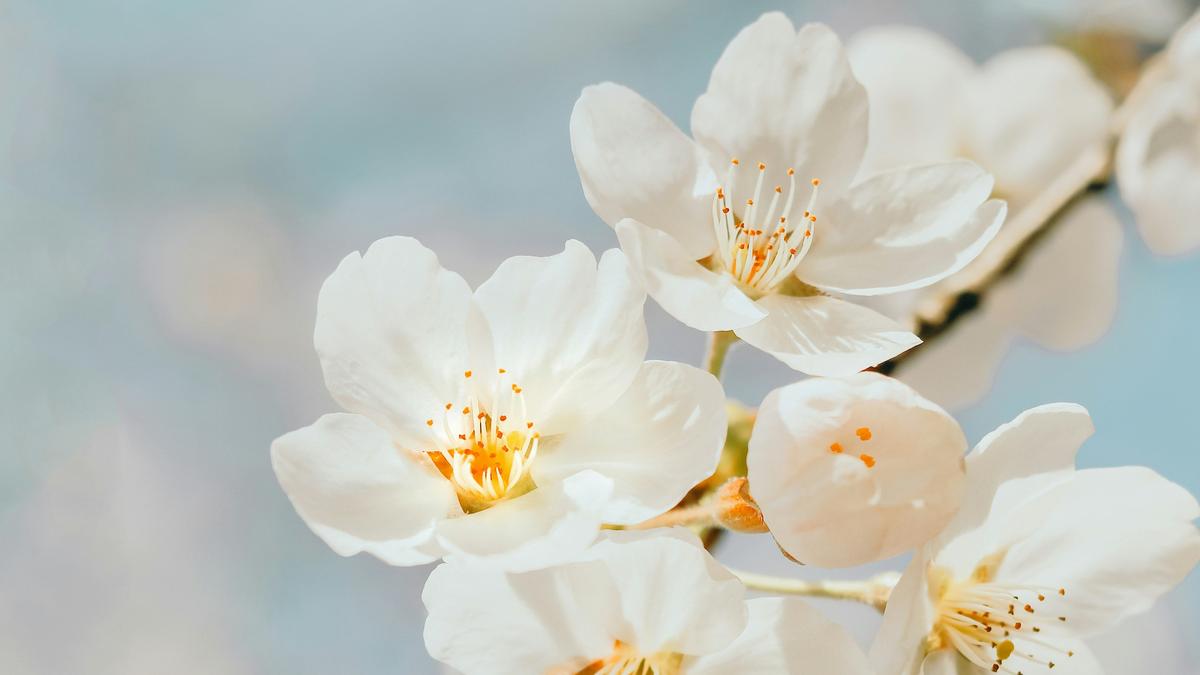
Why do so many flowers have five petals? Premium
The Hindu
Discover why many flowers have five petals, exploring evolutionary traits and genetic influences on flower structure.
— Ajith Kizhakkethil
Many flowers are indeed pentamerous — but across flowering plants as a whole, the petal number varies widely. Monocots often have flower parts in threes. Eudicots have four or five. Many species also have fused petals, others have several petals, and yet others lack them altogether.
In the flower bud, new organs begin as small bumps on a ring of tissue, and the eventual number is equal to the number of slots this tissue lays down in a whorl, given its size and shape and the organs’ spacing needs.
Early in the evolution of angiosperms, different major clades ‘opted’ for different numbers of slots. The monocots typically evolved three slots per whorl. The eudicots opted for four to five per whorl.
Importantly, the plant’s genes don’t control the exact number; instead they only control the dynamics of growth. For example, if the meristem — i.e. the population of undifferentiated cells that develop into new tissues per the planet’s needs — is bigger, more organs form with more parts. If an organ develops sooner, it will have more time to initiate its parts, leading to more of them. And so on.


The MG Majestor is a flagship full-size SUV combining a 2.0-litre twin-turbo diesel engine, ladder-frame construction and triple differential locks with a tech-loaded cabin featuring dual 12.3-inch displays and Level 2 ADAS. Blending genuine off-road capability with premium features and bold design, the Majestor aims to redefine MG’s presence in India’s premium SUV segment.

Kerala's first horror 3D game, Thekku Island, launches on February 27, featuring a gripping mystery and immersive gameplay.

Explore the science of taste, including aroma, fat detection, and the intriguing role of genetics in flavour perception.

Explore the historical significance of blue, from ancient symbolism to its cultural impact and modern classification.

Scientists discover QT45, a self-replicating RNA molecule, offering insights into the origins of life on Earth.

Discover how an ancient gene influences the sex of ant, bee, and wasp embryos, impacting conservation and breeding practices.

A committee will investigate systemic issues behind ISRO's PSLV rocket failures, focusing on manufacturing and accountability processes.

Why India is still awkward about kink, and why that may be changing

Learn how modified fluorescent proteins are evolving into quantum sensors, enhancing our understanding of cellular processes.

Discover three groundbreaking research developments: chick sound-shape connections, data storage in glass, and promising psychedelic depression treatment.

Explore the NGT's decision on the Great Nicobar project, balancing national security with environmental concerns and biodiversity impacts.

Legend would have us believe that English colonists were first introduced to popcorn on February 22, 1630. While historians are now more or less certain that that story is more myth than truth, there’s no denying that native Americans have had popcorns for thousands of years. Grab your popcorn as A.S.Ganesh lets you in on certain kernels of truth…

India is among the four biggest contributors of pesticide toxicity in the world, affecting both terrestrial and aquatic species, a study has found.