The soul of the hills in a feast
The Hindu
This food festival at Sangamithrai, at Feathers Hotel, brings the flavours of the Nilgiris and surrounding regions
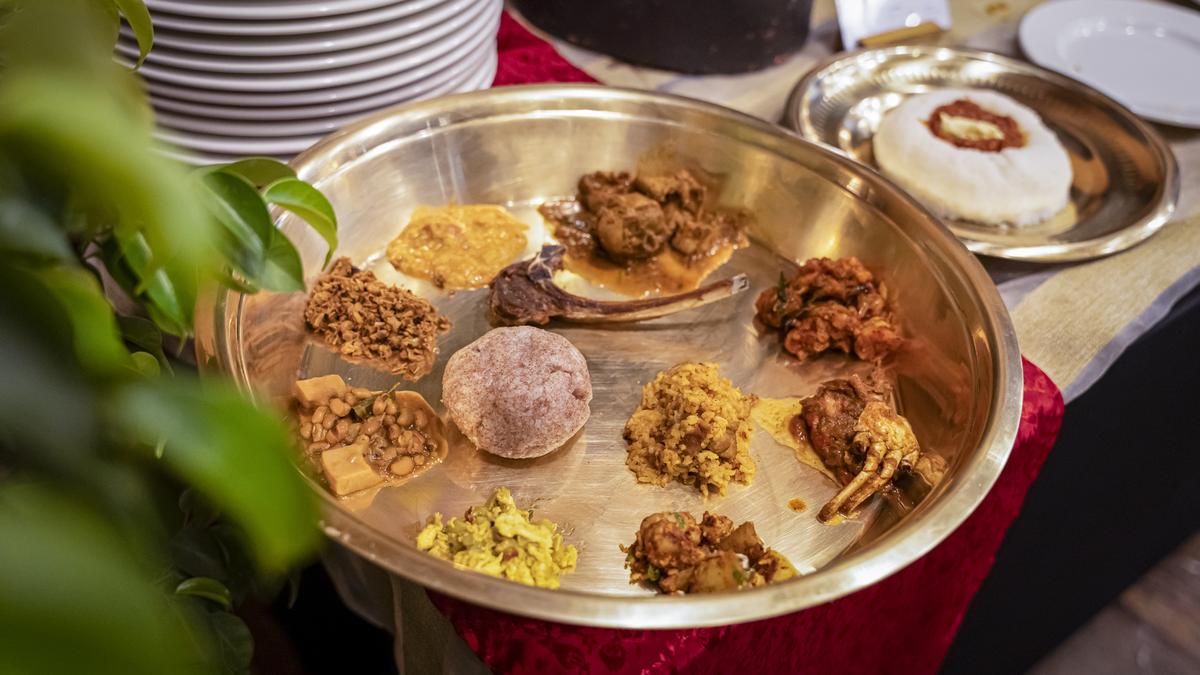
“Did you know that the Badaga community of the Nilgiris cultivates more than 12 varieties of avarai, or legumes, and incorporates them into their daily diet?” asks executive chef Narayanamurti of Sangamithrai, at Feathers Hotel, which is dedicated to celebrating native Tamil cuisine.
A few months ago, the chef and his team travelled across the Nilgiris, Kodaikanal, Yelagiri and Kolli Hills to study the food traditions of the tribal communities in these regions. What began as a research trip evolved into an immersive culinary journey. The team returned not only with new insights into indigenous ingredients and age-old cooking techniques, but also with a deeper appreciation of the nutritional wisdom and ecological sustainability embedded in hyper-local food cultures. Dishes from the region are being showcased at the ongoing food festival here.
T. Gandhi and his daughter G. Renuga, from Solur village in Udhagamandalam, Nilgiris, are presenting traditional Badaga delicacies at the food festival. “We are an agricultural community and therefore our cuisine is predominantly vegetarian. We grow potato, beans, carrots, cabbage, beetroot, knol khol, cauliflower and spinach in our gardens. White butter and ghee are also used extensively, as we raise buffaloes at home,” says Gandhi, who is well known in his community for his culinary skills. Renuga adds that their meals are largely built around locally-sourced ingredients. Erigittu (known as kali in Tamil) is their everyday staple. It is prepared in the morning, packed for lunch along with avara udhakka, a lentil and vegetable gravy, and carried to the fields before they begin their agricultural work.
Erigittu the everyday staple of the Badaga community | Photo Credit: Special Arrangement
In a typical Badaga home, three ovens are built at floor level. One holds a large vessel of drinking water, kept constantly warm, while the other two are used for cooking. This traditional system not only ensures a steady supply of hot water but also helps keep the house warm in the region’s cool climate.
“Whether it is a festival or a special occasion, the sweet dish we prepare is always enneittu,” says Renuga. The dish is made by mixing maida, sugar and ripe banana, shaping the mixture into small balls and deep-frying them in oil. She adds that one of the defining elements of Badaga cuisine is their signature spice blend, hatti mas hudi, which is used in most dishes. The coarse powder is prepared using red chillies, coriander seeds grown on their farms, jeera, pepper, fenugreek, clove, cinnamon and hing, lending the cuisine its distinctive flavour and aroma.


The MG Majestor is a flagship full-size SUV combining a 2.0-litre twin-turbo diesel engine, ladder-frame construction and triple differential locks with a tech-loaded cabin featuring dual 12.3-inch displays and Level 2 ADAS. Blending genuine off-road capability with premium features and bold design, the Majestor aims to redefine MG’s presence in India’s premium SUV segment.

Kerala's first horror 3D game, Thekku Island, launches on February 27, featuring a gripping mystery and immersive gameplay.

Explore the science of taste, including aroma, fat detection, and the intriguing role of genetics in flavour perception.

Explore the historical significance of blue, from ancient symbolism to its cultural impact and modern classification.

Scientists discover QT45, a self-replicating RNA molecule, offering insights into the origins of life on Earth.

Discover how an ancient gene influences the sex of ant, bee, and wasp embryos, impacting conservation and breeding practices.

A committee will investigate systemic issues behind ISRO's PSLV rocket failures, focusing on manufacturing and accountability processes.

Why India is still awkward about kink, and why that may be changing

Learn how modified fluorescent proteins are evolving into quantum sensors, enhancing our understanding of cellular processes.

Discover three groundbreaking research developments: chick sound-shape connections, data storage in glass, and promising psychedelic depression treatment.

Explore the NGT's decision on the Great Nicobar project, balancing national security with environmental concerns and biodiversity impacts.

Legend would have us believe that English colonists were first introduced to popcorn on February 22, 1630. While historians are now more or less certain that that story is more myth than truth, there’s no denying that native Americans have had popcorns for thousands of years. Grab your popcorn as A.S.Ganesh lets you in on certain kernels of truth…

India is among the four biggest contributors of pesticide toxicity in the world, affecting both terrestrial and aquatic species, a study has found.