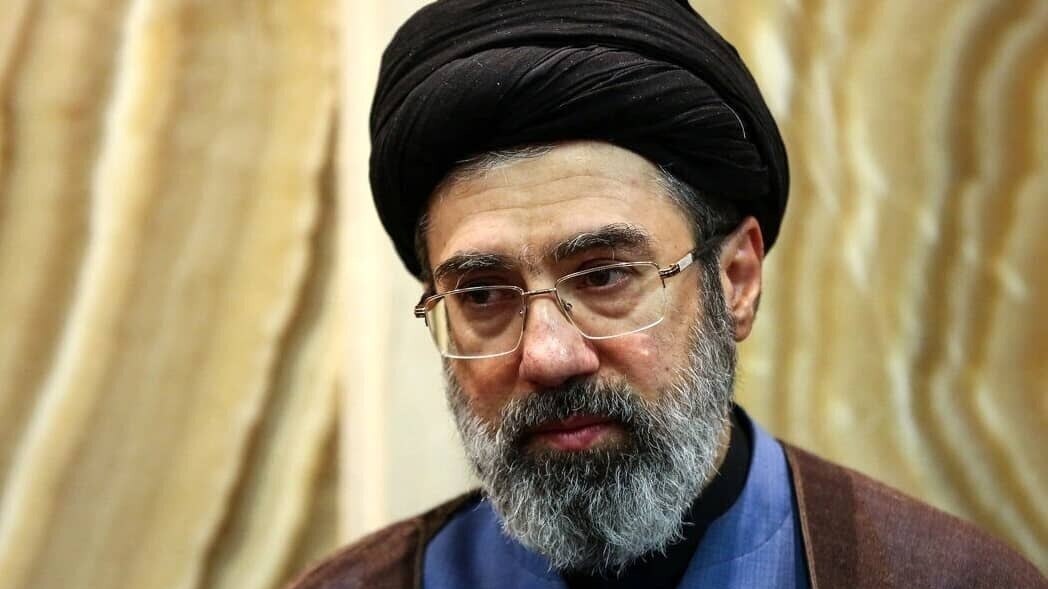
Where is Mojtaba Khamenei? Alive but not in control of Iran, say reports
India Today
The continued absence of Mojtaba, according to an Axios report, has been a matter of discussion during President Donald Trump's intelligence briefings. The report also quoted an official as saying that the US national security team is still assessing who is in charge in Tehran.
Mojtaba Khamenei ascended to the position of Iran's Supreme Leader on March 9, following the death of his father in a US-Israeli airstrike on February 28. However, the new Supreme Leader is yet to make a public appearance. His first public statement on March 12 as well as his Nowruz message on March 20 were read out by the state media, further deepening the mystery about his whereabouts.
As per the latest Israeli and US media reports, the new Supreme Leader is alive but not in real control of his country. Sources told Jerusalem Post that the Revolutionary Guards may be holding effective power in Iran, adding that Mojtaba is unable to fully exert his authority over the political apparatus.
The Israeli publication quoted US-Israeli intelligence sources as saying that Mojtaba remains physically capable of carrying out at least some functions, despite being injured in the February 28 airstrike that killed his father, Ali Khamenei.
"We don't think the Iranians would have gone through all this trouble to choose a dead guy as the supreme leader. At the same time, we have no proof that he is taking the helm," a US official told Axios.
The continued absence of Mojtaba, according to an Axios report, has been a matter of discussion during President Donald Trump's intelligence briefings. The report also quoted an official as saying that the US national security team is still assessing who is in charge in Tehran.
In his March 12 statement, read by a presenter rather than the leader himself, Mojtaba outlined a hardline stance on the United States and the Strait of Hormuz amid ongoing conflict in the Gulf region. He also warned that Iran would avenge the blood of its martyrs and keep the Strait of Hormuz closed.


Satellite images provided to India Today TV by Vantor show the scale of damage after Pakistan's strike on Kabul's Omid Hospital.

A grandmother's YouTube channel hit 1 million subscribers, and her grandson turned it into a heartfelt celebration, with a video capturing her wholesome reaction.

We are the only species on this planet with the intelligence to understand exactly what we are doing to it. And the only species doing it anyway.

At least 10 people were killed and 59 others injured after a fire, likely triggered by an explosion, broke out at an auto parts factory in the South Korean city of Daejeon. Four others are still missing and rescue operations are underway to find them.

The Shahed-136 drone has emerged as Tehran's weapon of choice in the ongoing war in the Middle East. It was used by Russia in the Ukraine war. The Ukrainians call the Shahed-136 "a moped" because of the sound it makes. Here's more about Shahed-136's unique journey and the reason behind the distinctive sound.

Israel and the US started the Iran war together. But the killing of Larijani and the striking of the South Pars gas field by Israel are being seen as "unilateral" acts. Has Israel gone rogue?

The United States has already increased its naval presence in the Gulf, deploying additional warships and surveillance assets to the region. The latest move is expected to enhance the speed and reach of US operations, allowing for quicker response times against emerging threats.

The statement came as the Norwegian royal family had been at the fore of severe scrutiny due to the Crown Princess's friendship with late sex offender Jeffrey Epstein. Though she has not been accused of wrongdoing, their connection has raised multiple questions.

China poured sixty billion dollars into Pakistan, defended it at the UN, armed its military and mediated its wars. Pakistan responded by letting Chinese workers die and chasing Donald Trump.

Delhi-based influencer Yuvraj Dua used sharp wit and relatable anecdotes to seek Prime Minister Narendra Modi's help to convince his father to cut back on sugar due to his health. The reel quickly went viral, garnering more than 1,80,000 views.


A man shared a heartfelt video thanking a biker who helped an ambulance navigate heavy traffic in Mumbai, acting like a one-man escort to ensure his mother reached the hospital on time.
