When trauma is inherited: what the growing body of research on this says Premium
The Hindu
Explore how transgenerational trauma affects descendants, highlighting the need for recognition and healing in communities.
He was often jolted awake in a cold sweat by a recurring nightmare of deafening crashes and desperate cries. But Aidaan*, just seven, had never lived through any of that. He couldn’t even describe what was weighing him down. Those around him were at their wit’s end. As far as they could tell, nothing like this had ever happened in the family before. That was because Aidaan’s father, Shabir*, had never spoken of his own fear of clouds and winds, a fear so visceral that he refused to go out even in light rain. Had Shabir not died young, he might have been able to relate to his son’s fraught nights.
Shabir was eight when he lost his elder brother to militancy in 2003. Two years later, seven members of his family were claimed by a massive snowstorm that buried his entire village, Waltengo Nard, in south Kashmir. He had been trapped under rubble next to his sister’s dead body for two days before help arrived. From then on, he lived under a shadow, his mind teetering, but his lips sealed.
Tragedy struck again when his nine-month-old daughter, the youngest of his three children, succumbed to typhoid. Days later, Shabir was gone too. But his pain, denied closure, found continuity. And Aidaan, too young to even remember his father, ended up with a scar that was never his.
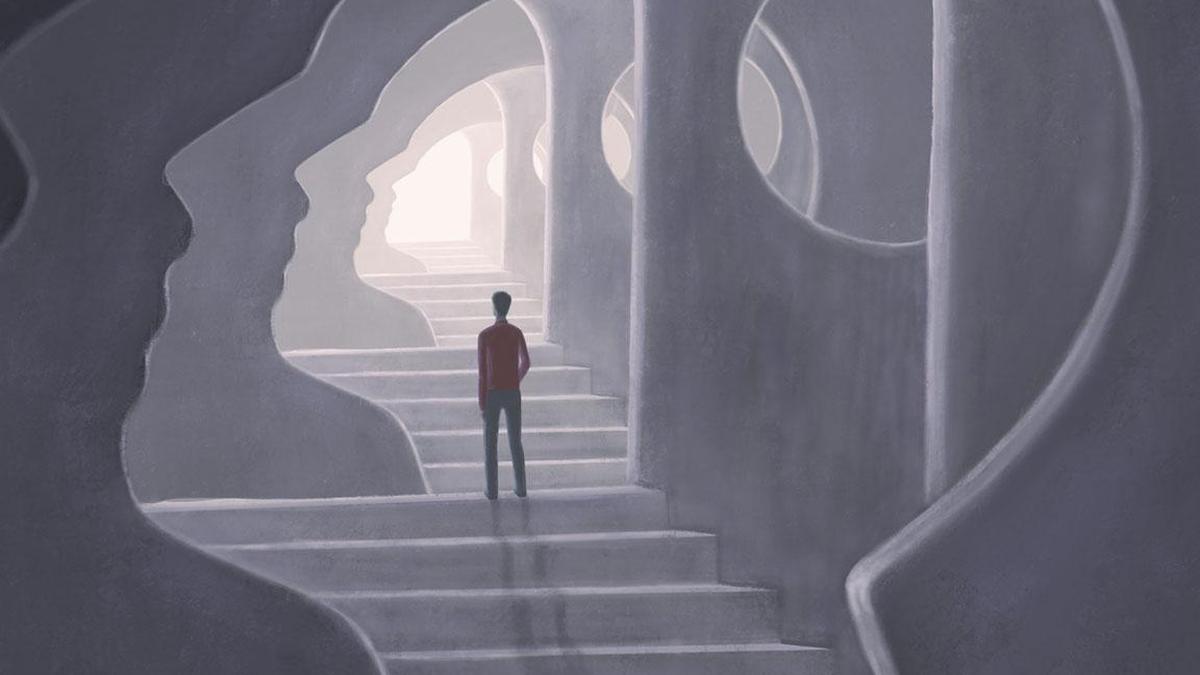
Ancestors sometimes bequeath their wounds to generations that come after them. Aidaan is one of many who have inherited unfinished grief from their elders. This transgenerational trauma, now a growing field of psychiatric and biological research, has become pertinent in India, where emotional armouring continues to be glorified and pasts are routinely weaponised.
“Trauma results from events, which, even if not extreme by objective standards, overwhelm an individual’s or a community’s capacity to cope,” explains Rajat Kanti Mitra, professor of clinical psychology at Amity University, who has worked extensively on trauma in various countries.
“Research shows that there is no single cause for the transmission of trauma,” says Mushtaq A. Margoob, founder of the brain and behaviour science academy SAWAB and former head of the department of psychiatry at Government Medical College, Srinagar. “It results from the interaction of biological, psychological, relational and socio-structural pathways, which are interlinked and mutually reinforcing.”


Economist Arvind Subramanian advises CM Revanth Reddy on strengthening Telangana's finances during a meeting in Hyderabad.

Supreme Court emphasizes stakeholder consultation for legal education reforms, hesitant to change five-year law course duration.

Authorities in Andhra Pradesh are set to tranquillise a roaming tiger near Annavaram temple for safety and conservation.

MEA criticizes USCIRF for bias, urging focus on vandalism of Hindu temples in the U.S. over selective criticism of India.

Bengaluru's Urban Development aims to beautify underutilized flyover spaces, enhancing city aesthetics and improving green cover initiatives.

Indian Navy warships escort merchant vessels in the Gulf of Oman, ensuring safe passage amid regional tensions under Operation Sankalp.

A rare crab species exhibiting both male and female traits was discovered in Silent Valley, revealing unique biological characteristics.

Gujarat court convicts five in 2016 Una flogging case; punishment announcement scheduled for March 17, 2026.

The Greater Bengaluru Authority (GBA) has extended the deadline for citizens to submit claims and objections to the revised draft voters’ list for the upcoming elections to five city corporations under its jurisdiction until March 20.

SSC Public Examinations-2026 commenced peacefully, with a 98.90% attendance across 3,415 centres and rigorous monitoring in place.

Flying Squad Team seizes whistles, ‘manjappai’ bearing TVK name in Thoothukudi

Thousands gathered for a Ramzan prayer meet, promoting spiritual renewal and civic responsibility amidst calls for peace and justice.

Players get double bill horror as Resident Evil returns with Grace, a new series character, and other fan favourites in their latest edition