When the umbilical cord poses a threat to the baby Premium
The Hindu
Learn about umbilical cord complications, including nuchal cord and compression, and ensure timely medical care for expectant parents.
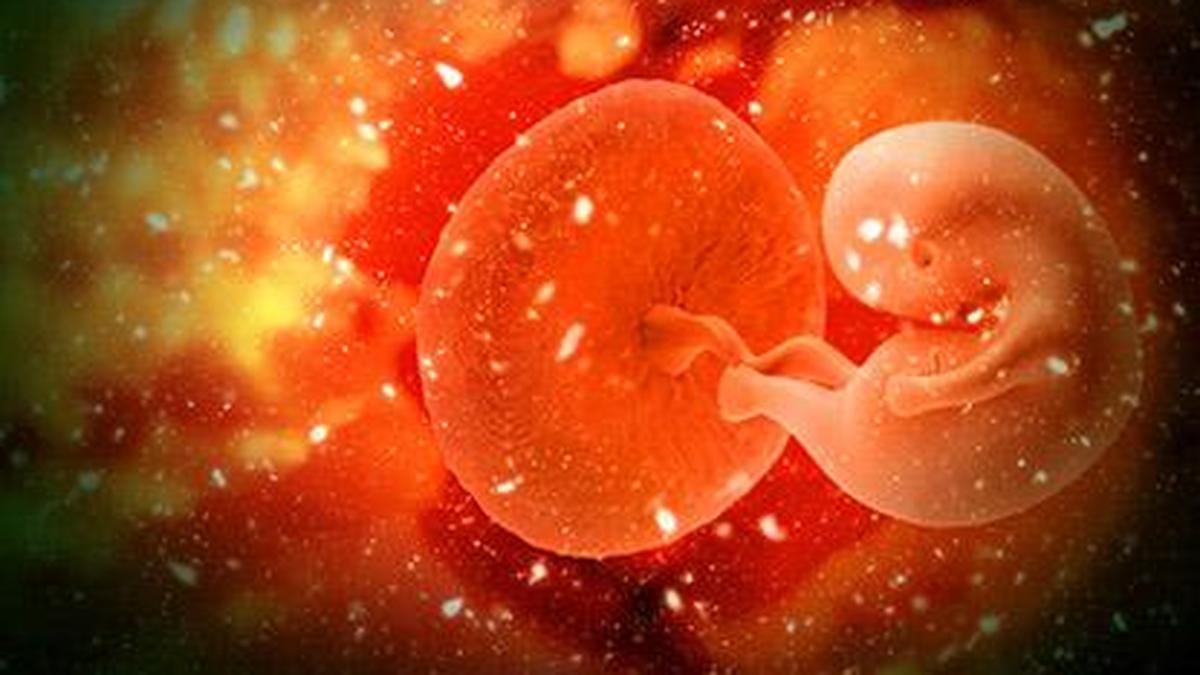
The umbilical cord is a literal lifeline between mother and child. It is responsible for transporting oxygen-rich blood and vital nutrients to the foetus, while whisking away waste products. However, physical positioning of the cord can occasionally create clinical challenges. This is because the cord is a flexible, floating structure within the amniotic sac.
When you hear about the cord becoming a ‘threat’, this is generally in reference to instances where this flow of life-sustaining resources is constricted or interrupted. The thought of cord issues can be frightening for expectant parents. It is important to understand how and why these complications occur.
A very common complication is called ‘nuchal cord’. It occurs when the cord wraps around the baby’s neck. In most cases, the cord is loose enough that it does not pose any danger and simply slips over the baby’s head during birth. It can be seen in about 25% to 30% of full-term deliveries.
Another common issue involves umbilical cord compression. The cord can be compressed when it becomes trapped between the baby and the uterine wall or during intense labour contractions. This results in the cord experiencing a temporary blood flow reduction, leading to decreased oxygen delivery to the baby. The risk of cord compression increases during low amniotic fluid conditions as this decreases the protective cushioning that surrounds the cord. Foetal distress can develop when this condition occurs repeatedly and lasts for extended periods, and so, it is crucial to manage it early.
A much rarer occurrence is ‘cord prolapse’, where the cord drops into the cervix ahead of the baby after the water breaks. This becomes a medical emergency, as, when the baby moves into the birth canal, they can compress the cord against the pelvis, which can result in cutting off of their own oxygen supply.
Sometimes, when a baby is moving and flips in the womb, they can swim through a loop in the cord, creating a knot. While most knots stay loose, a condition known as ‘true knot’ can tighten and restrict circulation. The length and structure of the cord also matter. Very long cords can increase the risk of knots.


Tamil actor Trisha on Monday (February 16) condemned the ‘distasteful and inappropriate remark’ that has been circulating on social media, and asserted that she isn’t aligned with any political party

Supreme Court directs petitioners to approach Gauhati HC for action against Assam CM over controversial firearm video.

Dharwad leaders threaten agitation over delay in establishing a separate city corporation, demanding swift government approval for development.

Over 25 schools in Ahmedabad and Vadodara evacuated after receiving bomb threat emails; searches ongoing but no threats found.

Tamil Nadu's Economic Survey projects a trillion-dollar economy by 2031, contingent on sustained high growth rates despite potential dollar fluctuations.

BJP nominates Kolagani Srinivas and Y. Sunil Rao for Mayor and Deputy Mayor as Karimnagar Municipal Corporation

Shorts News:Watch: Hawaii’s Kilauea volcano erupts in glorious display

Congress distances itself from Mani Shankar Aiyar's comments on Kerala's CM, asserting he speaks solely in a personal capacity.

Tamil Nadu's Economic Survey projects a trillion-dollar economy by 2031, contingent on sustained high growth rates despite potential dollar fluctuations.

Devotees flock to Aluva Manappuram for Mahasivaratri rituals, honoring ancestors with ‘bali tharpanam’ along the Periyar river.

Newly elected Councillors and Corporators in Telangana sworn in; indirect elections for leadership posts are now underway.

A booth-level officer was injured in West Bengal after an alleged assault during a voter data verification exercise.

Bengaluru scientists aim to preserve fertility for cancer patients by developing a technique to save immature eggs in ovaries.