Scientists urge T.N. CM Stalin to withdraw Mamallan Reservoir proposal
The Hindu
Scientists urge Tamil Nadu's CM to withdraw the Mamallan Reservoir proposal, citing severe risks to coastal wetland ecosystems.
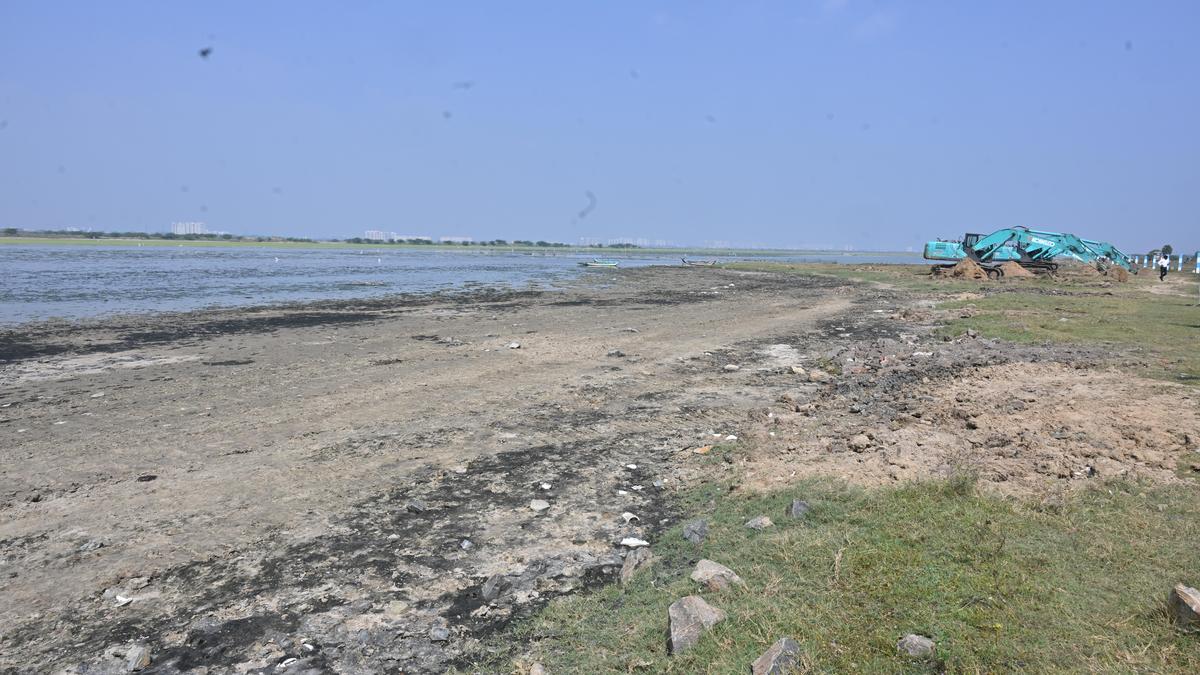
A group of 22 ecologists, hydrologists, ornithologists, and marine biologists have written to Chief Minister M.K. Stalin, urging the Tamil Nadu government to withdraw the proposed Mamallan Reservoir project in the Kovalam-Nemmeli backwater system, warning that it would irreversibly damage a critical coastal wetland.
In a letter addressed to the Chief Minister and the Additional Chief Secretary for Environment, Climate Change and Forests, the signatories said Tamil Nadu’s own ‘Ecosystem Health Card’ for wetlands in the State and the Department of Environment’s publication on lagoon ecosystems show that brackish wetlands depend on tidal exchange. Restricting tidal flow, they noted, alters salinity, temperature, and circulation, limiting marine biodiversity.
They argued that the Kovalam-Nemmeli backwaters are a tidal-marsh ecotone connected to the Bay of Bengal through the Kovalam and Kokilimedu inlets, not an inland freshwater depression. While the southern stretch near Mamallapuram remains ecologically functional due to continued tidal inflow, the Nemmeli stretch — already fragmented by roads and bunds — shows early signs of degradation.
The wetland, they said, supports seagrass patches, mudflats used by migratory waders, and brackish habitats essential for juvenile fish and shrimp. Converting it into a freshwater reservoir would destroy these functions and undermine fisheries, bird habitats and natural coastal protection.
The group also flagged hydrological risks, stating that the project’s Environmental Impact Assessment attributes flooding in western villages to drainage bottlenecks along the Old Mahabalipuram Road and the Kelambakkam-Kovalam Link Road. The proposed reservoir does not address these choke points, they said, and constructing 4.5-metre bunds within a tidal floodplain could remove natural flood buffers and increase cyclone-related risks.
Urging the government to declare the site a protected lagoonal wetland instead, the scientists said such a move would strengthen biodiversity conservation, fisheries, and climate resilience.


A study reveals obesity increases the risk of hospitalization or death from infectious diseases by 70%, urging urgent health policy changes.

Doctors in Tamil Nadu urge the government to double hospital staff ahead of the interim Budget to address workforce shortages.

PM Modi and President Macron to strengthen India-France ties during their meeting in Mumbai on February 17, 2026.

DMK demands action against Congress leaders before seat-sharing talks, citing strained alliance ahead of Tamil Nadu elections.

Kerala Law Minister P. Rajeeve emphasizes balancing religious practices and constitutional rights in the Sabarimala women's entry debate ahead of Supreme Court review.

Karnataka High Court Dharwad Bench and Mandya district court evacuated after bomb threat email; police and bomb squad investigate.

Telangana to launch free HPV vaccination program for girls aged 14-15 to combat cervical cancer, starting end of February.

AR Rahman’s ‘The Wonderment Tour’ in Chennai promotes love and unity, captivating fans on Valentine’s Day with unforgettable performances.

Kerala tourism achieves record 2.58 crore visitors in 2025, with Idukki leading domestic arrivals, says Minister Mohamed Riyas.

A kitchen fire at Nexus Vijaya Mall in Vadapalani prompts emergency response and smoke evacuation efforts by officials.

Shivamogga airport will gain night landing capabilities by October, enhancing flight services to major cities like Mumbai and Delhi.

Delhi faces warm weather and persistent poor air quality, expected to last until February 17, 2026.

Six arrested, including alleged shooter, in Rohit Shetty firing case; police invoke MCOCA as investigation continues.