Japan’s ‘godless’ lake warns of creeping climate change
The Hindu
A Japanese priest leads a vigil at Lake Suwa, highlighting climate change's impact on the rare "God's Crossing" phenomenon.
The Japanese priest and his parishioners gathered before dawn, hoping that climate change had not robbed them of the chance to experience an increasingly rare communion with the sacred.
The few dozen men, most in their sixties, were headed to Nagano's Lake Suwa in search of a phenomenon called "God's Crossing" that has gone from reliable to elusive in recent decades.
Known as "miwatari" in Japanese, it occurs when a crack opens up in the frozen lake surface, allowing shards of thinner ice to break through and form a ridge where local deities are believed to cross.
For centuries, the priest of the nearby Yatsurugi Shrine has led an annual watch for the crossing, contributing to a unique record of a changing climate.
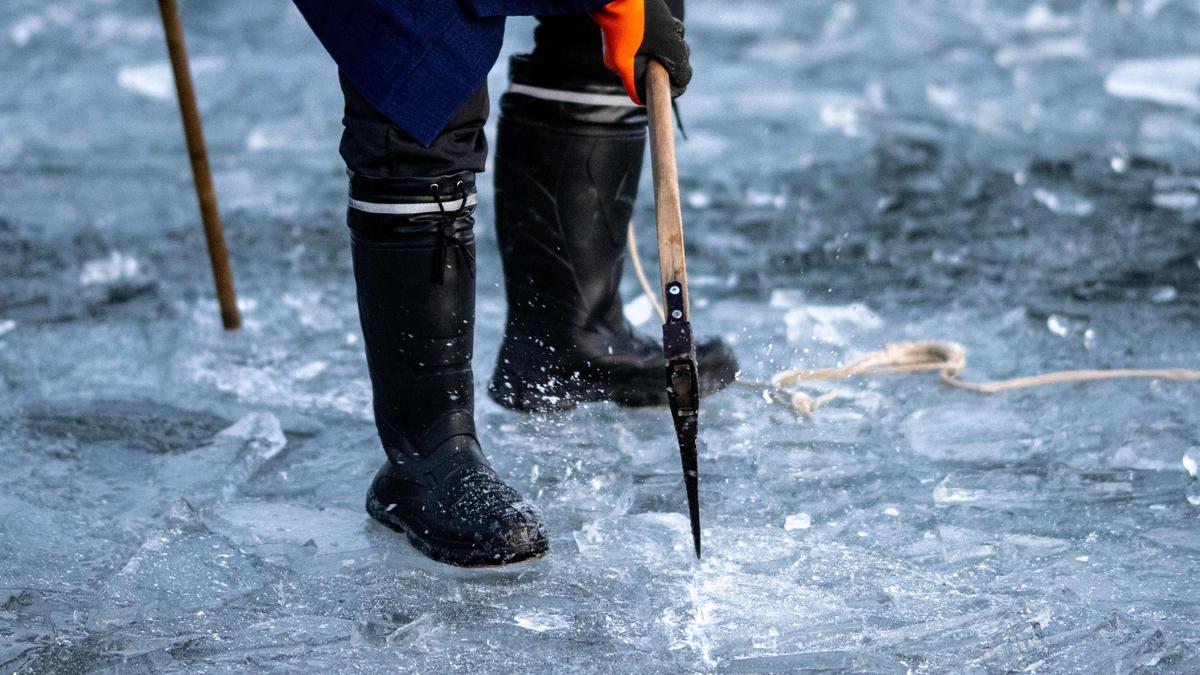
This year's watch began on January 5, with Kiyoshi Miyasaka -- a priest in Japan's Shinto religion -- leading the flock. One man carried a worn flag, another a giant axe. All wore jackets bearing the shrine's crest.
They set out with hope, despite a seven-year stretch in which the God's Crossing has not appeared once.


A study reveals obesity increases the risk of hospitalization or death from infectious diseases by 70%, urging urgent health policy changes.

Doctors in Tamil Nadu urge the government to double hospital staff ahead of the interim Budget to address workforce shortages.

PM Modi and President Macron to strengthen India-France ties during their meeting in Mumbai on February 17, 2026.

DMK demands action against Congress leaders before seat-sharing talks, citing strained alliance ahead of Tamil Nadu elections.

Kerala Law Minister P. Rajeeve emphasizes balancing religious practices and constitutional rights in the Sabarimala women's entry debate ahead of Supreme Court review.

Karnataka High Court Dharwad Bench and Mandya district court evacuated after bomb threat email; police and bomb squad investigate.

Telangana to launch free HPV vaccination program for girls aged 14-15 to combat cervical cancer, starting end of February.

AR Rahman’s ‘The Wonderment Tour’ in Chennai promotes love and unity, captivating fans on Valentine’s Day with unforgettable performances.

Kerala tourism achieves record 2.58 crore visitors in 2025, with Idukki leading domestic arrivals, says Minister Mohamed Riyas.

A kitchen fire at Nexus Vijaya Mall in Vadapalani prompts emergency response and smoke evacuation efforts by officials.

Shivamogga airport will gain night landing capabilities by October, enhancing flight services to major cities like Mumbai and Delhi.

Delhi faces warm weather and persistent poor air quality, expected to last until February 17, 2026.

Six arrested, including alleged shooter, in Rohit Shetty firing case; police invoke MCOCA as investigation continues.