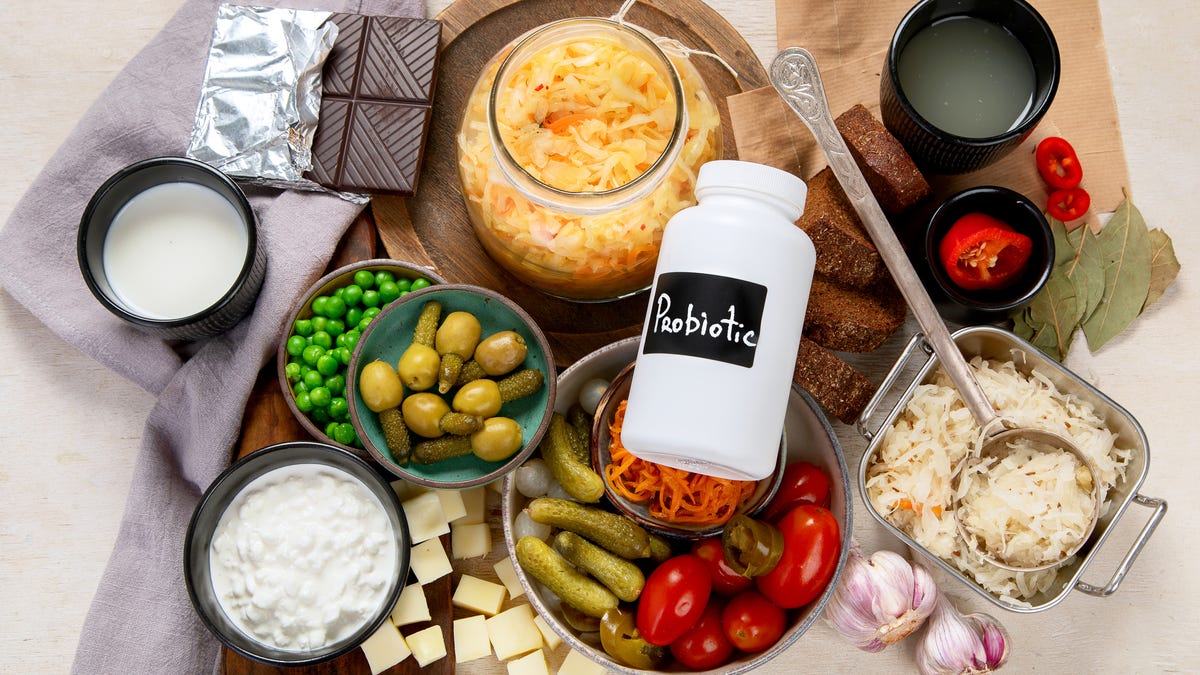
What probiotics do for your gut and beyond
USA TODAY
Here’s what probiotics really do, why they work and how to get more of them in your diet.
Probiotics have become a buzzword in grocery aisles and on social media, in part because of a growing body of research highlighting the importance of a healthy gut microbiome – the body’s vast ecosystem of bacteria and other microbes that helps regulate digestion, metabolism and immune function.
Research shows that when this ecosystem is disrupted by stress, antibiotics, illness or a highly processed diet, problems can follow. In many cases, probiotics can help prevent or relieve some of those issues “by providing a myriad of health benefits including improved mood, boosted immunity, cardiovascular health and more,” says Christine Palumbo, a registered dietitian and nutrition expert based in Chicago.
Here’s what probiotics really do, why they work and how to get more of them in your diet.
At their core, probiotics are living, beneficial microbes that help support the balance of organisms in your digestive system. “Think of them as friendly bacteria our digestive tract thrives on,” says Palumbo. They can also be thought of as helpful microorganisms that crowd out harmful bacteria and help maintain a stable, diverse gut environment.
Prebiotics, by contrast, are not bacteria at all. Instead, they are specific types of nondigestible fiber that “feed the good bacteria already living in your gut,” says LeeAnn Weintraub, a registered dietitian and nutrition consultant based in Los Angeles. In other words, “probiotics introduce helpful microbes and prebiotics help them grow and thrive," she says.


Long lines at airports, the Iran war and other developments have left some travelers concerned about venturing out on vacation.

A red fox is seemingly in \

Tommy Bell and one of his doctors explain why his decision to seek care after concerning symptoms may have saved his life.

The Centers for Disease Control and Prevention is investigating a gastrointestinal virus outbreak aboard the Star Princess.

The European Union is switching to a new biometric Entry/Exit System starting April 10, replacing passport stamps.

Some women who want to grow their families are choosing not to because of affordability, lack of access to maternal health care and other fears.

Some women who want to grow their families are choosing not to because of affordability, lack of access to maternal health care and other fears.

Certain cruise venues tend to be especially popular, creating scarce seating and long lines. But there are ways to avoid the crowds.

Some airports are contending with more than 50% of their TSA staff calling out of work as the DHS shutdown drags on.

Whether you’re looking for lazy days by the beach, tranquil nights or a week of adventure, there’s a national park for your family this spring break.

The U.S. Department of Homeland Security said Global Entry would resume operations March 11 to reduce airport disruptions.

The board-by-group method isn't the most efficient way for passengers to get on a plane, but it does earn the airlines some extra cash.

Carnival Cruise Line added a new expedited option in its main dining rooms, giving guests a multi-course dinner in less than an hour.