Unaffordable food, transport force commoners to protest in Sri Lanka; what went wrong?
India Today
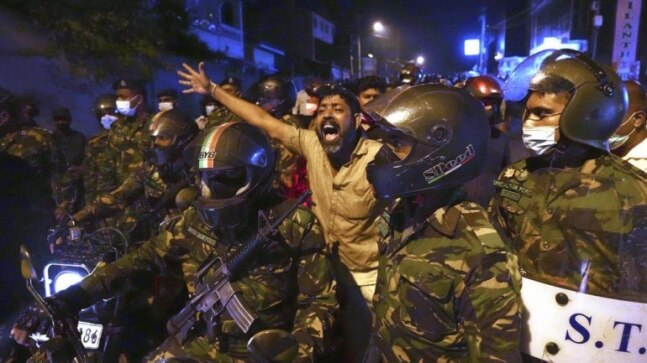
People in Sri Lanka have taken to the streets to protest rising food and transportation costs as the island nation faces its worst economic crisis in history.
Despite an unprecedented seven percentage point hike in interest rates on April 8, 2022, in Sri Lanka, the rate of inflation kept soaring. The rise in inflation was largely driven by transportation and food prices.
According to the latest available data from the Central bank of Sri Lanka, food prices rose by a whopping 44 per cent and transport by 68 per cent in April 2022, compared to the same month a year ago. Data indicated that economic fundamentals deteriorated further as the protest against the elected government in the island nation escalated.
Following the nationwide protest against the incumbent government over the ongoing economic crisis, Sri Lanka's Prime Minister Mahinda Rajapaksa resigned on Monday, May 9. The situation deteriorated to a point where the government gave shoot-at-sight orders against the protesters.
But, what went wrong?
The country’s reserves dried up and the currency weakened to a record level. The outstanding debt also outgrew the size of its GDP. The Sri Lankan rupee was trading at 364.76 against the US dollar on May 11. It traded at 202 on March 3.
The outstanding debt of the central government stood at 84.2 per cent of the GDP in 2018. It deteriorated to 86.9 per cent in 2019, almost equaling the GDP in 2020, and finally outgrew the GDP at 104.6 per cent last year.
Foreign reserves, on the other hand, stood at 9.9 billion dollars in 2018. However, it dried up to 2.2 billion dollars as of end-February 2022. It further fell to 1.9 billion dollars by the end of March, and to 1.8 billion dollars as of April-end. This level of foreign reserves is lower than that required to buy two months of imports. Due to this, the country is restricting itself from buying even essential commodities.


India's consumer courts promise quick justice, but rising backlogs and staff shortages tell a different story. As cases pile up, the gap between what the system offers and what it delivers is widening.

A second patient died within 72 hours at RG Kar Hospital, with his family alleging that a lack of stretcher and basic facilities forced the critically ill man to walk 100 metres, leading to his death.

As Parliament prepares to bring amendments to the Transgender Act, activists warn the proposed changes risk rolling back years of hard-won rights.

A high-speed boat crash in the Maldives has left two Indians missing, including a celebrated rally figure, even as Gautam Singhania returns home. Search teams continue efforts amid mounting concern and unanswered questions.

A prominent seer, Pranavananda Swamiji, alleged that mutts backing Karnataka Deputy Chief Minister DK Shivakumar to take over the top post were denied any allocation in the state budget presented by Chief Minister Siddaramaiah. He reiterated his support for Shivakumar to take over as the chief minister.

India's original Dhurandhar, Ravindra Kaushik, rose from acting at college theatres, to infiltrating the Pakistan Army as a RAW Agent. He provided critical intelligence on Pakistani troop movements and the country's nuclear programme, but died a lonely death after his betrayal and subsequent capture by the ISI.


According to the police, 19-year-old Sachin Dharmendrabhai Chaudhary, who works as a labourer, had borrowed the money before expressing his inability to repay it immediately, police said. He was allegedly threatened with his life over the delay in repayment. Fearing for his life, Sachin immediately alerted the police.

A quiet arrest in Rajasthan has unravelled a wider espionage network, linking an Air Force employee to Pakistani handlers. Investigators say the trail began months ago and may reach deeper than first believed.

A 36-year-old woman plotted to murder her mother-in-law with the help of her 21-year-old lover. The murder plot was exposed by CCTV installed inside the house.


A former village pradhan who had been missing since March 18 was found dead in a sack near a canal in Pratapgarh. Police have arrested his lover, claiming she carried out the murder with accomplices.