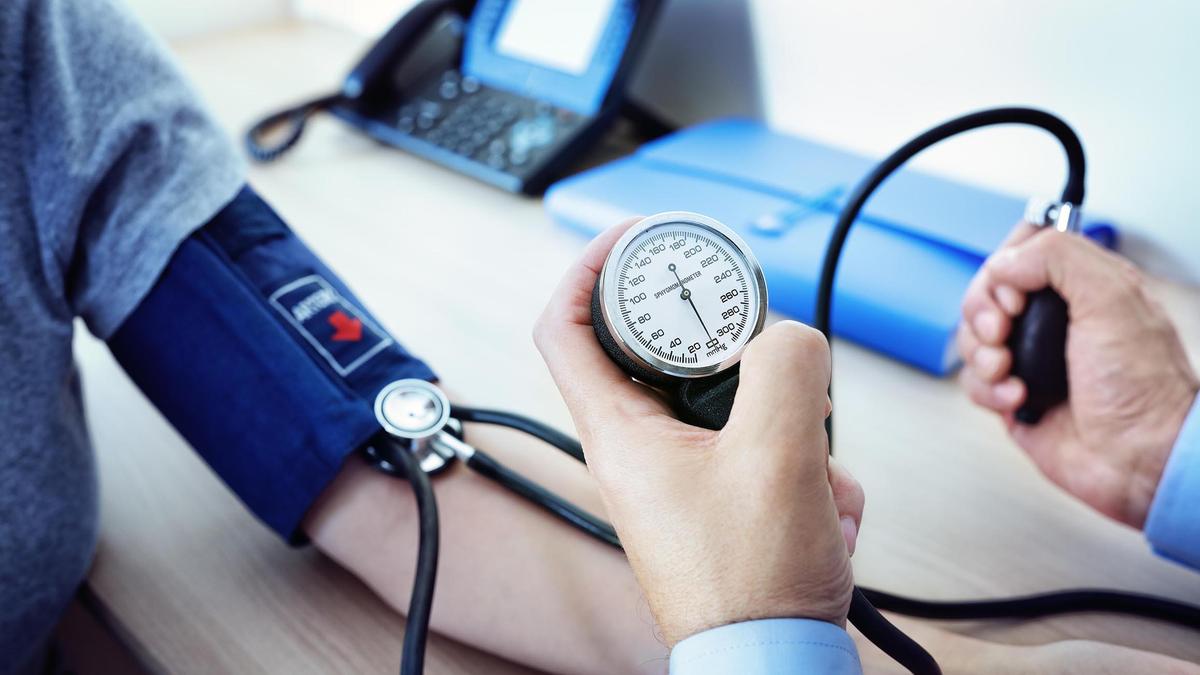
Telangana’s population-based screening diagnoses 26.9 lakh individuals with hypertension, 14 lakh with diabetes
The Hindu
Telangana's screening reveals 26.9 lakh with hypertension and 14 lakh with diabetes, spotlighting a silent epidemic of non-communicable diseases.
A screening programme in Telangana has brought to light the scale of a silent epidemic, with lakhs living with Non-Communicable Diseases (NCDs) often without noticeable symptoms until complications arise. The programme has revealed that 26.90 lakh people were diagnosed with hypertension and 14 lakh with diabetes, underscoring the hidden burden of these conditions, according to the Telangana Socio Economic Outlook 2026.
Three rounds of the screening, conducted annually among individuals aged 30 years and above, were completed up to March 2025. In the third round held during 2024-25, a total of 1.37 crore people were screened for hypertension and diabetes. All individuals diagnosed with these conditions were enrolled for treatment under the State’s public health system, the report noted.
The initiative forms a key component of Telangana’s strategy to address the growing burden of NCDs through early detection and continuous management. Screening and follow-up services are being delivered through NCD clinics and the primary healthcare network across the State.
The Outlook further notes that Telangana has outlined a roadmap to double its health expenditure to 8% of its Gross State Domestic Product (GSDP) as part of its goal to become a $3 trillion economy by 2047, while strengthening preventive, promotive and rehabilitative healthcare systems.
The State has already recorded improvements in key health indicators, particularly in maternal and child health. The Maternal Mortality Ratio (MMR) stands at 43 per 1,00,000 live births, lower than the national average of 88. The Infant Mortality Rate (IMR) is 18 and the Under-5 Mortality Rate is 22 per 1,000 live births, both better than national averages of 25 and 29 respectively. Telangana has set targets to reduce MMR to below 6 and IMR to below 7 by 2047. The State has achieved an institutional delivery rate of 99.9%, with around 50% of deliveries taking place in government facilities.
A total of ₹9,339 crore is being invested to establish three 1,000-bed Telangana Institute of Medical Sciences (TIMS) institutions as centres of excellence in cardiac and transplant sciences, neurosciences, and gastro sciences. In addition, the Warangal Health City will house a 2,000-bed super speciality hospital, while expansion works at the Nizam’s Institute of Medical Sciences (NIMS) with an investment of ₹1,600 crore and the construction of a new Osmania General Hospital (OGH) at Goshamahal in Hyderabad are underway.


KRG Studios appeals against leave granted to producer Kalaipuli Thanu for a suit regarding distribution rights of the film Max.

Supreme Court rejects petition for Q inclusion in census, citing concerns over social division and class creation.

Two RSS workers arrested for hurling a bomb at a policeman’s house in Kannur, Kerala; major tragedy averted.

Three youths radicalised by ISIS and AQIS arrested in Vijayawada for planning terror activities across India.

T.N. CM Stalin challenges PM Modi on government preparedness for West Asia crisis, emphasising leadership responsibility over public outsourcing.

Telangana DCA warns against unsupervised semaglutide use, stressing the importance of medical supervision and safe purchasing practices.

From origami classes at Rosary matriculation school to the two-day Makers Market in Mylapore, Chennai resident Priya Subramaniam has come a long way.

Election Commission bans exit poll results in Tamil Nadu from April 9 to April 29 ahead of Assembly elections.

Residents of Tambaram express concern over inadequate infrastructure amid rapid urban growth, highlighting traffic, drainage, and waste management issues.

Explore the defining moments and developments of Tamil Nadu's 16th Assembly, marked by political confrontations and administrative innovations.

Kerala CM Pinarayi Vijayan defends his remarks on G. Sudhakaran, labeling him a 'class traitor' amid election tensions.

Social media rumors spark panic buying of petrol in Belagavi, causing long queues and temporary fuel shortages at stations.

Delhi Budget 2026 LIVE: Follow live updates from The Hindu on the Delhi state budget for 2026-27, on March 24, 2026