Taking A Dip Labor Day Weekend? Swimmers Face Fecal Contamination At U.S. Beaches
HuffPost
There have been closures this week at some of the country's most popular beach destinations.
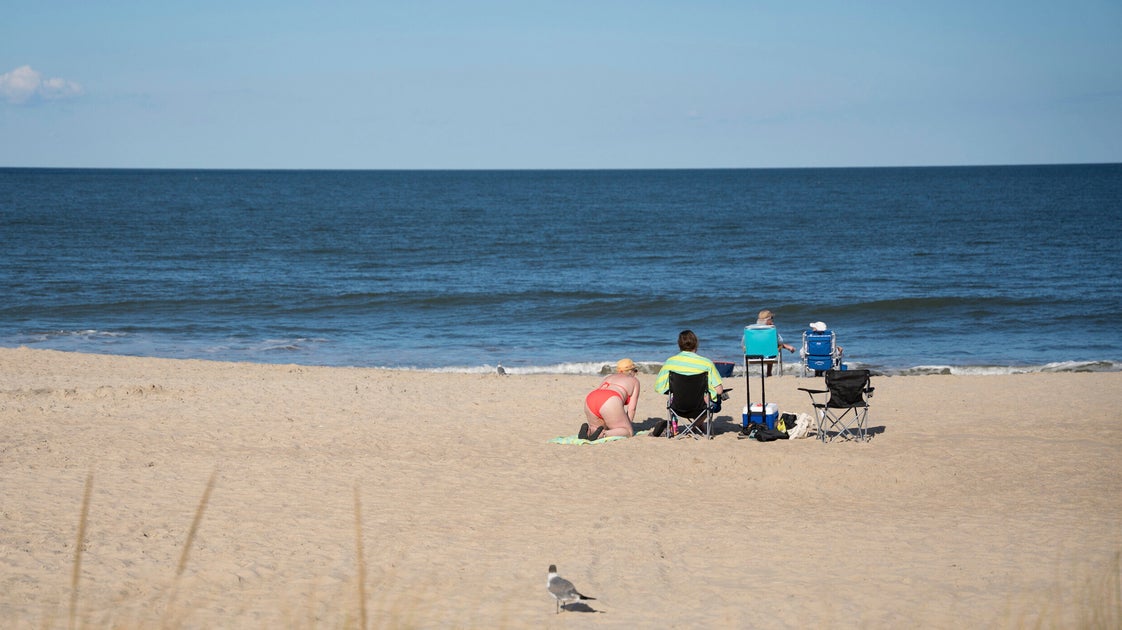
OGUNQUIT, Maine (AP) — Thousands of Americans will head to beaches for one last summer splash this Labor Day weekend, but taking a dip might be out of the question: Many of the beaches will caution against swimming because of unsafe levels of fecal contamination.
Beaches from Crystal River, Florida, to Ogunquit, Maine, have been under advisories warning about water quality this week because of elevated levels of bacteria associated with fecal waste. The advisories typically discourage beachgoers from going in the water because the bacteria can cause gastrointestinal illness, rashes and nausea.
There have been closures this week at some of the country’s most popular beach destinations, including Keyes Memorial Beach in the Cape Cod village of Hyannis in Barnstable, Massachusetts; Benjamin’s Beach on Long Island in Bay Shore, New York; and a portion of the Imperial Beach shoreline near San Diego. Even on the pristine, white sand beaches of Hawaii, the Hawaii State Department of Health is warning of a high bacteria count at Kahaluu Beach Park on the Big Island.
It’s a longstanding and widespread problem. Nearly two-thirds of beaches tested nationwide in 2024 experienced at least one day in which indicators of fecal contamination reached potentially unsafe levels, conservation group Environment America said in a report issued this summer.
The group reviewed beaches on the coasts and Great Lakes and found that 84% of Gulf Coast beaches exceeded the standard at least once. The number was 79% for West Coast beaches, 54% for East Coast beaches and 71% for Great Lakes beaches.


If you and your friends still keep tabs on that girl from high school, this is for you.

These lazy (but legit) meals are homemade as hell, and much more satisfying than takeout.

You'll need a portable phone charger, compact backpack and some first aid before you pack up and go on a trip outside the country.

With TSA officers working without pay and spring break travel ramping up, experts offer tips to reduce stress and avoid missing flights.

This stowaway truly was sly as a fox.

Talking to friends about your feelings and frustrations can be healthy — but experts warn you should look out for a few damaging traps.

There's good news and there's bad news. This will help you make some sense of it.

If you have carpets or rugs, sorry: They're even dirtier than you think.

A recent study found the most commonly reported symptoms of perimenopause had nothing to do with hot flashes or weight gain.

Alleviate post-workout soreness with these expert-recommended tools.

Experts, including the U.S. Labor Department, have been warning about this moment since Trump took office.

This time of year is prime season for these fast-spreading illnesses.

Chinese medicine might have the answer to this common bedroom discomfort.