Trump Keeps Claiming Groceries Are Cheaper Now — But Here Are Some Actual Stats
HuffPost
There's good news and there's bad news. This will help you make some sense of it.
Between tariffs, a fresh war with Iran, immigration and the weather, consumers have been experiencing a fluctuation in grocery prices over the past few years.
For example: In January 2026, inflation decreased to 2.4% from the previous year’s high of 2.7%. But food prices in December 2025 were 3.1% higher than in December 2024.
First, the good news. Because the avian flu has subsided, the price for a dozen eggs has decreased 59% since a year ago. Katina Holliday is a family nurse practitioner, founder of Holliday’s Helping Hands and owner of the grocery store Freshly’s Market in Aberdeen, Mississippi, which is located in a food desert. She told HuffPost the average price for a dozen eggs at her store is less than $2.
But now, the bad news. “On the other hand, one of the things I’ve noticed is our cereal is more expensive than it used to be,” she said. “Remember, we could buy off-brand cereal for a dollar. Our off-brand is still affordable, but regular Kellogg’s cereal is $5 for a small box.”
Last summer, she said, customers paid an extreme $15-$20 per watermelon. “I’m an independent grocer,” she said. “For me, the cost is higher because I purchase it. The profit margins in the grocery store before were 3 to 5%. Now, the profit margins are 1 to 3% for us.”


If you have carpets or rugs, sorry: They're even dirtier than you think.

A recent study found the most commonly reported symptoms of perimenopause had nothing to do with hot flashes or weight gain.

Alleviate post-workout soreness with these expert-recommended tools.

Experts, including the U.S. Labor Department, have been warning about this moment since Trump took office.

This time of year is prime season for these fast-spreading illnesses.

Chinese medicine might have the answer to this common bedroom discomfort.

"I dismissed my fear as paranoia. But, deep down, I still felt that something was wrong."

Labor diggers, women are onto you.

The president has made anti-trans policies a focus of his second term -- but he got swift backlash for a proclamation he shared.

You're not just imagining it.

With this list of toothpastes, mouthwashes and more, you may finally be able to eat that ice cream.

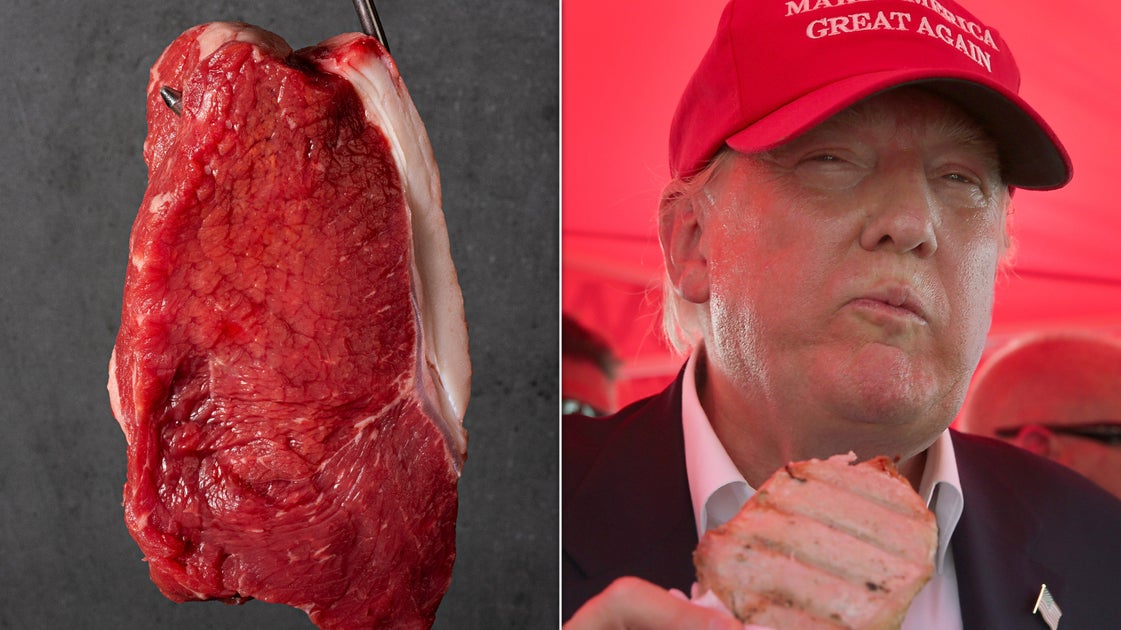
“If you buy a Porterhouse steak or a strip steak, it is gonna set you back. You can buy liver or the cheaper cuts of steak that are very, very affordable," said Robert F. Kennedy, Jr.

Whether you’re fighting off a winter cold or seasonal allergies, experts share how to find some relief.