Review of Hoshang Merchant’s ‘Rainbow Warriors’, and poetry collection ‘Lalon’s Book’
The Hindu
Influencers overshadow art, Hoshang Merchant's self-indulgent musings on LGBTQ+ icons disappoint in "Rainbow Warriors of India."
Social media has spawned a class of so-called influencers who make it a point to visit every art gallery, fair and museum here and abroad, and thereafter very generously share their experience of viewing the latest exhibitions with “friends”.
However, there is a catch. The influencers in their glad rags invariably pose in front of the works of art on display, partially eclipsing the exhibit. Art plays second fiddle to the influencer’s ego.
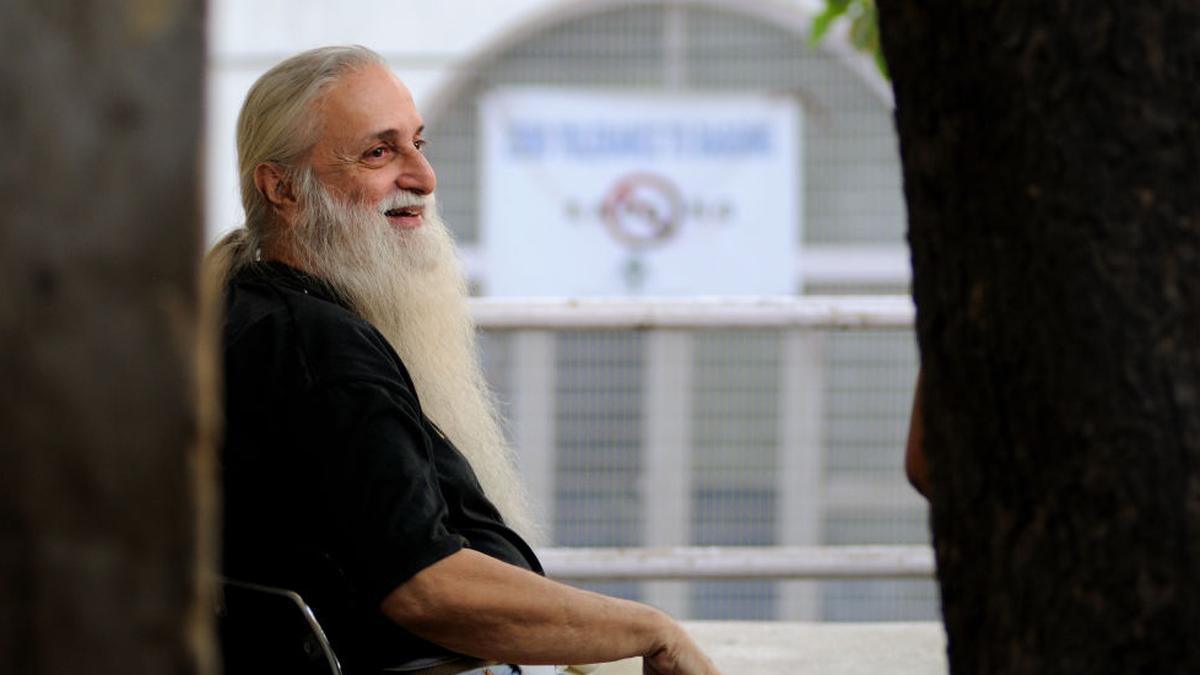
The same can be said about Hoshang Merchant, who, Wikipedia says, is a “preeminent voice of gay liberation in India”, and is “best known for his anthology on gay writing titled Yaarana”.
When I took up his new book, Rainbow Warriors of India, co-authored with Akshay K. Rath, I expected it to be a collection of short biographical sketches of 22 “extraordinary individuals from India’s queer community. These gay icons have navigated adversity to claim their rightful place in society” — to quote the blurb. Any effort at documenting the pride movement in India should be lauded.
However, it turned out to be an outpouring of Merchant’s self-indulgent and rambling ruminations on the life and times of these “stately homos”, to pinch a truly quotable quote from that truly great gay icon, Quentin Crisp, author of the famous work, The Naked Civil Servant (1968). Merchant can’t look beyond himself. One of the ‘rainbow warriors’, R. Raj Rao, is a gadfly. How I wish Merchant was blessed with Rao’s infectious and irreverent sense of humour.
Most of the notable queers he mentions are from Mumbai although he makes exceptions of filmmakers Rituparno Ghosh and Onir, both from Kolkata. Quite justifiably, the likes of Ashok Row Kavi and Gita Thadani, who were on the frontline of gay activism in the 70s, are there. From the cultural field there are artist Bhupen Khakhar, poet Adil Jussawalla, photographer Sunil Gupta, playwright Mahesh Dattani and dancers Ram Gopal and Navtej Singh Johar, not to forget Merchant himself. Quite expectedly, the writer devotes one whole chapter to himself, tellingly titled, ‘Mourning Became Meena Kumari’. Sadly, such posturing is just exasperating.
What is worse, Merchant never stops bickering about novelist and poet Vikram Seth and playwright Dattani, because, he feels, they never came out early enough, or never at all. Seth’s early masterpiece, The Golden Gate (1986), made his preferences clear enough. There was a certain ambiguity, but it is foolish to expect everyone to wear one’s sexuality on one’s sleeve all the time. Must Merchant be reminded that activism and creativity aren’t always on the same page?


Delhi HC requests Delhi Police's response on Sushil Kumar's bail plea in Chhatrasal Stadium murder case involving wrestler Sagar Dhankar.

Bela Gram becomes Maharashtra's first net-zero village, showcasing panchayat leadership's crucial role in local climate action during Mumbai Climate Week 2026.

As the Indian Cartoon Gallery enters into its 20th year, a look at how it began and its workings

‘The Gallery Of Upside Down Women’, a poetry book by Arundhathi Subramaniam chronicles complex women through history

Kerala's final voters list reveals 2.69 crore voters, with publication set for February 21, 2026.

Fire at Aditya Enclave in Hyderabad's Ameerpet causes panic, but no casualties reported; investigation underway.

Supreme Court dismisses plea to ban naming mosques after Babur, affirming their right to use historical nomenclature.

Ramesh Chennithala claims UDF will win 100 seats in Kerala, criticizing government misuse of resources ahead of elections.

Tension rises in Belagavi village after Sangolli Rayanna statue is desecrated, sparking protests and police investigation.

Sachin Pilot urges a transparent investigation into Ajit Pawar's death, linking it to personal loss and safety concerns.

Unions praise Tamil Nadu's ₹2,446.46 crore allocation for settling terminal benefits for 6,867 retired transport employees.

Karnataka's Guru Spandana adalat will address government teachers' grievances in Mangaluru on February 21.

Rahul Gandhi to appear in Sultanpur court for defamation case linked to remarks against Amit Shah dating back to 2018.