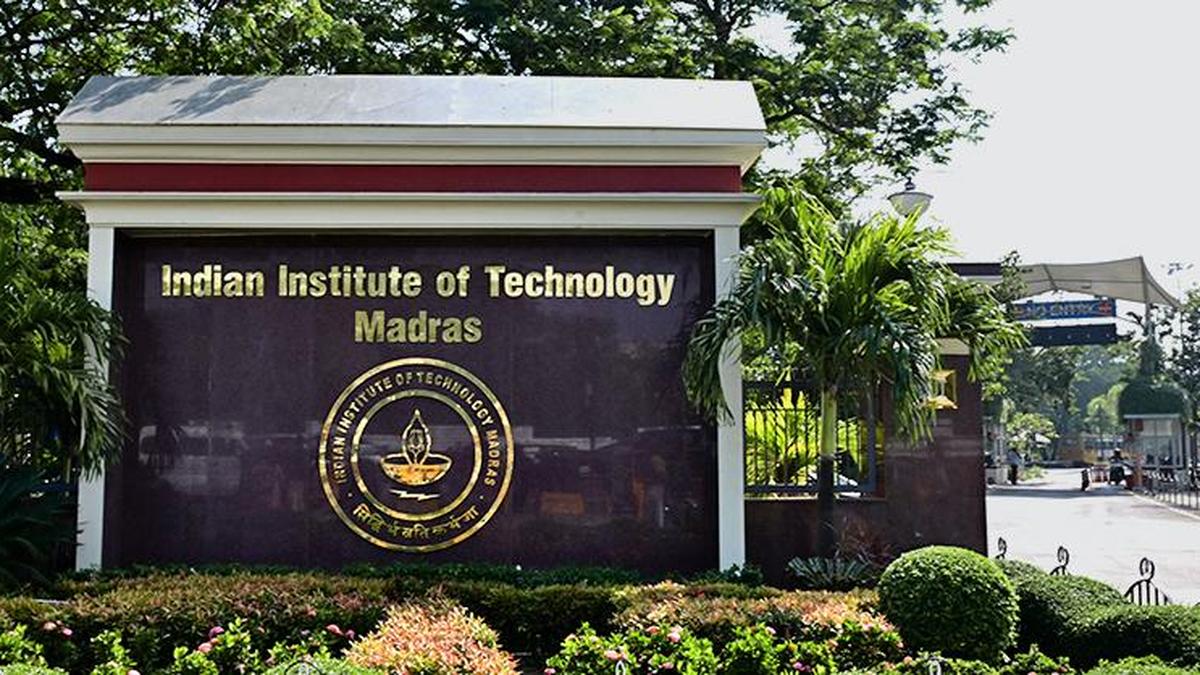
IIT-M researchers develop technique to accurately measure blood clotting time; of use to manufacturers making implants Premium
The Hindu
IIT Madras researchers patent a technique to measure blood clotting time, enhancing implant safety and water purity testing.
Researchers at IIT Madras have secured a patent for a technique that uses changes in reflected light on the surface of implants, to detect blood clot formation. While it will allow manufacturers to use this technique while researching the viability of materials to be made into implants, it also has applications in real world issues such as testing water purity, they claim.
Haemocompatibility is the ability of a material or medical device to interface with blood without inducing some adverse reactions, including clotting. It remains an important parameter to be considered before developing any material to fashion a device, including stents, heart valves and catheters, that will come into contact with blood.
The haemocompatibility test also helps to plan for and titrate the dose of anti-coagulation medicine to be given to the patient, post surgery. This is where researchers at IIT Madras have stepped in, to offer an optics-based solution to improve the accuracy of this test. Subhashree Mishra, Govinda Chandra Behera, Vignesh Muthuvijayan and Somnath Chanda Roy describes the technique in an article published in the journal Review of Scientific Instruments.
“When blood comes into contact with a foreign material (as used in implants) it begins to clot. When we plan to build implants, we need to check how much time blood is taking to clot over the foreign device. Despite several technological advancements in biomedical devices, issues related to thrombosis remain a persistent challenge,” explains Ms. Mishra. The two techniques are used today, she says -- mechanical tilting method, and free haemoglobin method — are not precise.
“We set out to address the shortcomings of the conventional techniques to measure blood clotting,” she further says. Researchers used the optics to measure this blood clotting time. “The surface of any implantable device will have a reflective surface. When blood touches this surface, and the blood clotting process begins, the surface becomes turbid, and the reflectivity of the surface will change. When it does, it will trigger a change in voltage in a connected, highly sensitive photodetector. The time taken for this “voltage change” corresponds to clotting time, Ms. Mishra says. The results, from our study, were accurate; and even milliseconds are counted,” she adds.
“We have received the patent for this technique, last year,” says Somnath Chanda Roy, professor, department of Physics, IIT Madras. We are at the initial stage of discussions with manufacturers – this will enable them to quantitatively screen materials for blood compatibility at the research stage. It can help them distinguish between materials that may be similar but behave very different during clot formation, and has the potential to significantly reduce clot-related risks for patients, he adds.


Delhi HC requests Delhi Police's response on Sushil Kumar's bail plea in Chhatrasal Stadium murder case involving wrestler Sagar Dhankar.

Bela Gram becomes Maharashtra's first net-zero village, showcasing panchayat leadership's crucial role in local climate action during Mumbai Climate Week 2026.

As the Indian Cartoon Gallery enters into its 20th year, a look at how it began and its workings

‘The Gallery Of Upside Down Women’, a poetry book by Arundhathi Subramaniam chronicles complex women through history

Kerala's final voters list reveals 2.69 crore voters, with publication set for February 21, 2026.

Fire at Aditya Enclave in Hyderabad's Ameerpet causes panic, but no casualties reported; investigation underway.

Supreme Court dismisses plea to ban naming mosques after Babur, affirming their right to use historical nomenclature.

Ramesh Chennithala claims UDF will win 100 seats in Kerala, criticizing government misuse of resources ahead of elections.

Tension rises in Belagavi village after Sangolli Rayanna statue is desecrated, sparking protests and police investigation.

Sachin Pilot urges a transparent investigation into Ajit Pawar's death, linking it to personal loss and safety concerns.

Unions praise Tamil Nadu's ₹2,446.46 crore allocation for settling terminal benefits for 6,867 retired transport employees.

Karnataka's Guru Spandana adalat will address government teachers' grievances in Mangaluru on February 21.

Rahul Gandhi to appear in Sultanpur court for defamation case linked to remarks against Amit Shah dating back to 2018.