Pyramids were built along a ‘lost’ branch of the Nile, study finds Premium
The Hindu
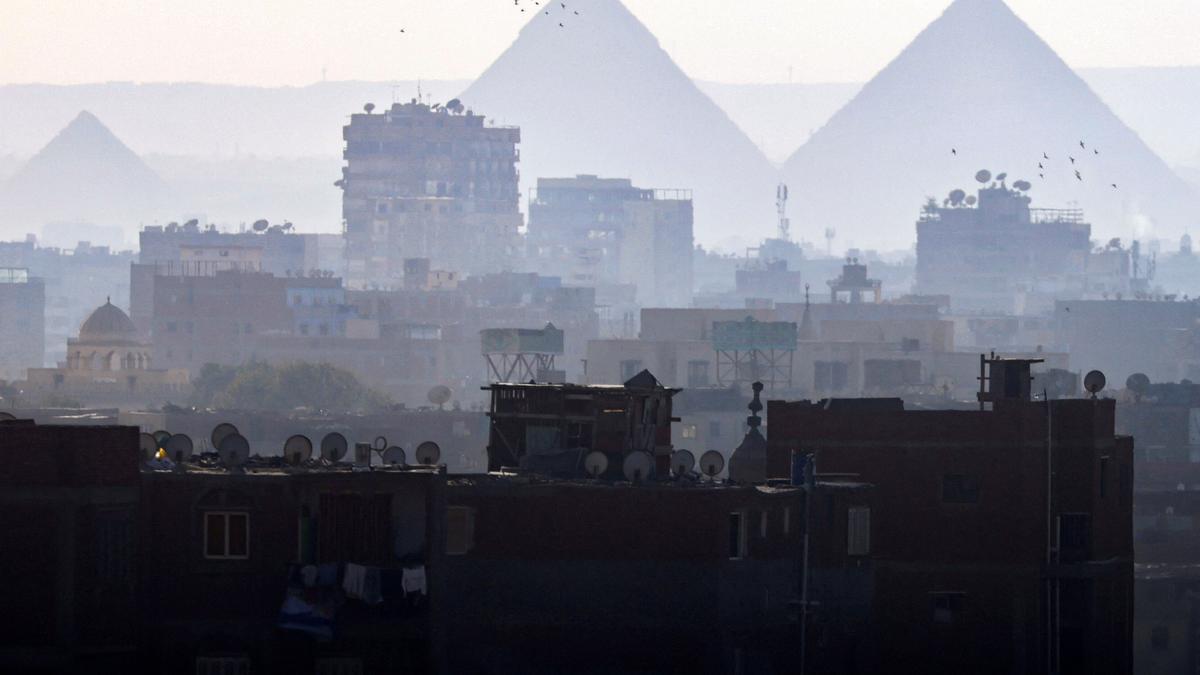
When the pyramids were built they sat next to a now-vanished branch of the Nile, which likely provided transport for workers and their materials
The largest field of pyramids in Egypt – consisting of 31 pyramids built over a millennium, including the famous Great Pyramid at Giza – lies along a narrow strip of land in the desert several kilometres west of the Nile River.
The Nile was at the heart of ancient Egyptian civilisation, and the location of so many pyramids some distance away from the river has until now not been fully explained.
In a new study published in Communications Earth & Environment, we addressed this puzzle. When the pyramids were built they sat next to a now-vanished branch of the Nile, which likely provided transport for workers and their materials.
Like other rivers, the Nile adjusts and changes over time in response to climate change, floods and droughts. People and places also move with the river. In the past, civilisations fell and rose on its ebb and flow.
The Nile has not always looked or functioned the way it does now. By reading the landscape in Egypt, traces of the former river and its branches can be found hidden just beneath the land surface.
Now obscured by areas of cultivation and urban settlements, buried by centuries of mud from the modern river, the old channels and their stories have largely been lost to time. Once a mosaic of waterways and wetlands, the Nile is ready to share its secrets again.
Many scholars have discussed and sought answers to the mysteries of the Nile. Previous research has documented evidence for the existence of parts of ancient waterways or wetlands, particularly near the Giza pyramids.


Can nations unite to protect the endangered Hudsonian godwit and address the challenges of climate change and habitat loss?

Discover the Minor Planet Centre, the key hub for tracking and verifying observations of small solar system bodies.

Discover the Minor Planet Centre, the key hub for tracking and verifying observations of small solar system bodies.

In this week's Science for All newsletter, XX explains

Test your knowledge with the quiz on Science films at the Oscars through history

Set between the Siwalik hills and the plains, Butwal offers travellers a mix of regional cuisine, pilgrimage trails to Lumbini and the comfort of Hyatt’s new hospitality landmark

Explore 2026's wallpaper trends in India, highlighting botanicals and handmade designs that enhance modern homes with nature-inspired aesthetics.

Mercedes-Benz CLA 250+ with EQ Technology review: design, performance, range and features explained. Discover how the new electric CLA combines advanced AI, long range, fast charging and futuristic styling for the next generation of luxury EVs.

AI tool for sparrow conservation

BTS’s comeback with ‘Arirang’ marks a major global music event. When does the album release, and where can you watch their concert live stream? We have all the details

The 2026 U.S. cholesterol guidelines urge starting screening and treatment at 30 to prevent cardiovascular disease effectively.

Olam Festival 2026 in Thiruvananthapuram returns March 27-29 with 120+ vendors, music, art, and cultural zones.

A few storytellers in Thiruvananthapuram share their journeys, challenges, and evolving methods on World Storytelling Day, inspiring young minds.