On Mother Language Day, Kolkatans say language, not religion, must define human identity
The Hindu
On Mother Language Day, Kolkata emphasizes that language, not religion, should define human identity and cultural unity.
On the occasion of International Mother Language Day, people in Kolkata associated with the written word said that language, and not religion, must define human identity, and that even Bangladesh, where this particular day originated, showed that recently by rejecting an Islamist party in the elections.
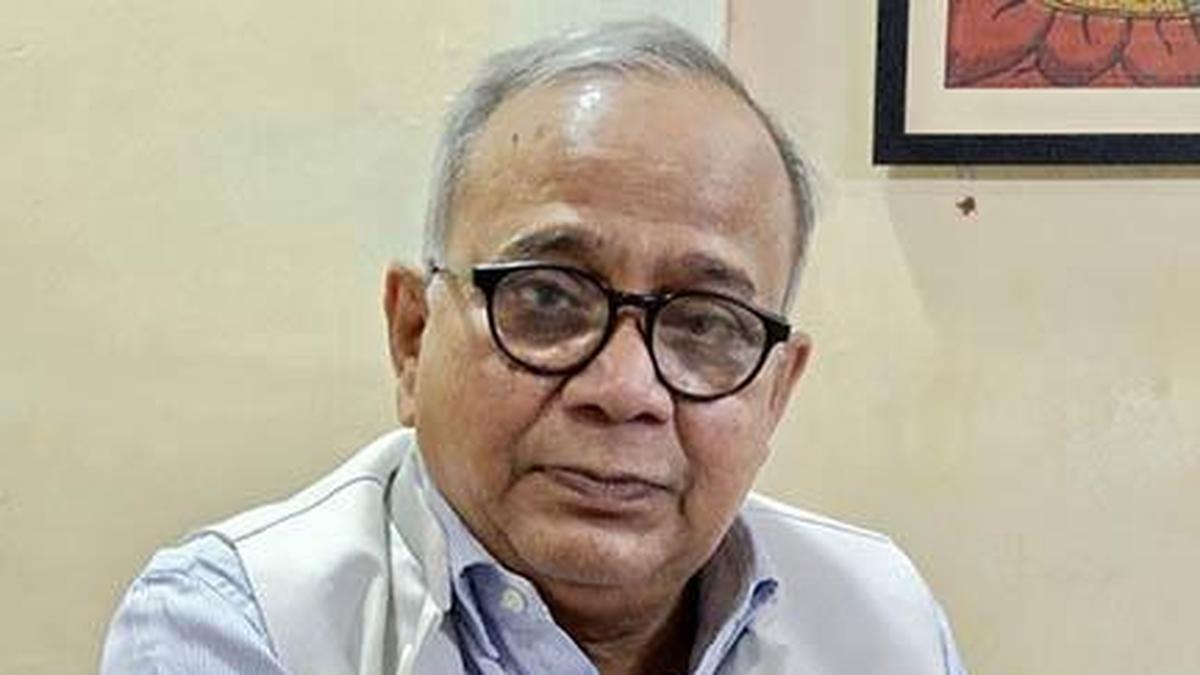
“Language is the primary force of identity for any nation or community. People who lose their language lose their identity. They live under the identity of others, like dependants. When a people are deprived of their mother tongue, they lose their self-respect. So February 21 (the Mother Language Day) is a festival of language. It reminds humanity that the mother tongue is as sacred and life-giving as mother’s milk,” renowned Bengali writer Amar Mitra said.
“My mother tongue is Bangla, and I speak on behalf of all mother tongues. Research suggests that nearly half of the world’s 6,000 languages are endangered, with one language disappearing every two weeks. When dominant languages suppress minority languages, alienation and separatism grow. India is a multilingual country. States were reorganised on linguistic lines. All languages must receive equal dignity. In these anxious times, language — not religion — must define human identity. Only then shall we survive,” Mr. Mitra said.
It was on February 21 in 1952 that several Bengalis in East Bengal (later Bangladesh) were shot dead during protests demanding their language be given official status by Pakistan. The day has been observed worldwide since the year 2000; in India, West Bengal in particular celebrates the day with vigour, with most educational institutions organising events.
“With the current fashion for translation from one language to another, the inclination towards language — and the language day — has become more prominent. The beauty of today’s India lies with its multiple doors of truth and faith redolent with languages. Now people are more rooted in their native languages as a part of their long walk to freedom. Education for generations among the Indians has given them the strength to capitalise on the power of culture and language without any doubt,” Jaydeep Sarangi, Principal, New Alipore College and a poet himself, said.
Ashok Singh of the West Bengal Hindi Speakers’ Society pointed out that Bangladesh was the first nation in the world to be named after a language and that the country was an example that it was language, more than religion, that kept people united.


Dharwad High Court Bar Association building to be modeled after Delhi's, ensuring advanced infrastructure for advocates and public.

Manipal Hospitals, Vijayawada, successfully performs its first heart transplantation, offering hope to a young woman battling severe heart failure.

BJP youth wing protests in Shivamogga against Congress, condemning their demonstration at the AI summit in Delhi.

U.S. Pacific Fleet Commander emphasizes India and U.S. navies' vital roles in ensuring stability in the Indian Ocean and Indo-Pacific.

Youth Congress in Shivamogga protests, demanding PM Modi's removal over allegations of tarnishing India's international image.

Tiruchi Corporation invites tenders for a ₹50.47 crore Cauvery riverfront project, enhancing recreation and pilgrimage spaces.

Clash between Congress and BJP youth workers in Indore leaves 10 injured, including police and journalists, during protest.

On Mother Language Day, Kolkata emphasizes that language, not religion, should define human identity and cultural unity.

Mullaperiyar dam's water level is at 118 feet, with significant inflow and discharge rates reported.

Historic Kalingarayan Canal, once vital for irrigation, now suffers severe pollution from sewage and waste, alarming farmers and residents.

India's Commerce Ministry is analyzing U.S. tariff developments following the Supreme Court's rejection of Trump's global tariffs.

Haryana CM Nayab Saini claims BJP will be a strong alternative in Punjab, criticises AAP's failure to combat drug abuse

NIA files supplementary chargesheet in Vizianagaram terror case, naming two additional accused, including one absconding suspect.