Oil only accounts for half the cost of a gallon of gas. Here's where the rest comes from.
CBSN
The oil supply shock from the Iran war is directly impacting what Americans pay to fill up their cars, with gasoline prices up an average of roughly 60 cents since hostilities erupted on February 28. But just how much does the cost of oil factor into how much drivers pay to fuel up? Edited by Alain Sherter and Aimee Picchi In:
The oil supply shock from the Iran war is directly impacting what Americans pay to fill up their cars, with gasoline prices up an average of roughly 60 cents since hostilities erupted on February 28. But just how much does the cost of oil factor into how much drivers pay to fuel up?
"The price of oil, which is market-determined, is the biggest, movable determiner," of gas prices, Patrick De Haan, a petroleum expert at GasBuddy, told CBS News.
The U.S., the world's leading crude oil producer, specializes in pumping "light" crude, a high-quality oil that with strong global demand. However, the country's refineries are optimized to process a more viscous type of oil known as "heavy" crude, which is normally imported and then processed in the U.S. That explains why global oil prices may affect what American drivers end up paying at the pump.
Gasoline is derived from crude oil, which is extracted from the earth and brought to a refinery. The finished product is then transported to local terminals through pipelines and stored until tanker trucks come to transport it to local gas stations.
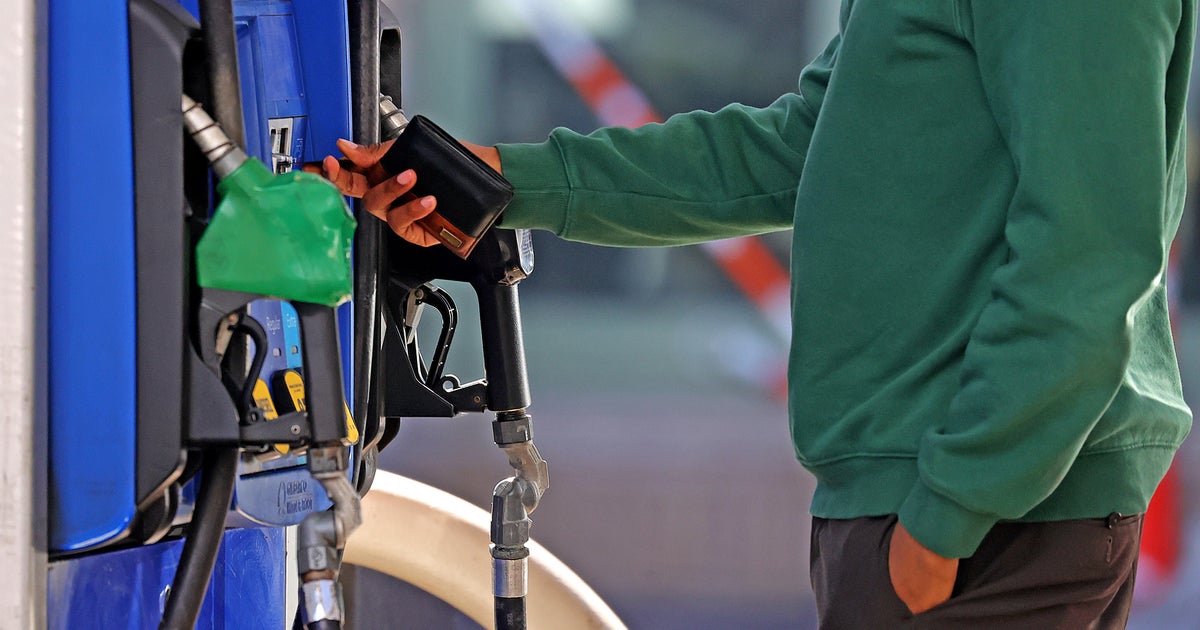
Gas stations buy fuel at the market price and decide how much to sell it for, factoring in overhead costs and target profit margins. De Haan estimates that stations earn an average of 30 to 35 cents a gallon.


U.S. motorists are likely to face higher gas prices for several weeks even if crude oil remains stable, according to GasBuddy petroleum analyst Patrick De Haan. Edited by Aimee Picchi In:

The Federal Aviation Administration has grounded all JetBlue flights due to a request from the airline, the agency said in a notice on Tuesday. In:

"It's been a long time since we've had a bad event," said Lloyd Blankfein. "It's been 17 years since the financial crisis." The former CEO of Goldman Sachs, who led the bank through that historic crisis, says it happened before, so it'll happen again. In:

On the day that marks 13 years since the death of Venezuelan socialist strongman Hugo Chávez and two months after the Jan. 3 U.S. operation that captured Nicolás Maduro, the scene in Caracas looks strikingly different from the anti-U.S.-imperialism rhetoric that founded Chavismo and was echoed by his successor. In:

We may receive an affiliate commission from anything you buy from this article. In:

Companies in the U.S. that paid tariffs invalidated by the Supreme Court in February are legally entitled to refunds, a federal judge ruled on Wednesday. In:

Target will invest another $2 billion in its business this year to spruce up stores, remodel locations and invest in workers, the retailer said Tuesday as it outlined plans to try to reverse a persistent sales malaise and reclaim its footing in fashion and home categories. In:

Defense Secretary Pete Hegseth deemed artificial intelligence firm Anthropic a "supply chain risk to national security" on Friday, following days of increasingly heated public conflict over the company's effort to place guardrails on the Pentagon's use of its technology. Jo Ling Kent contributed to this report. In: