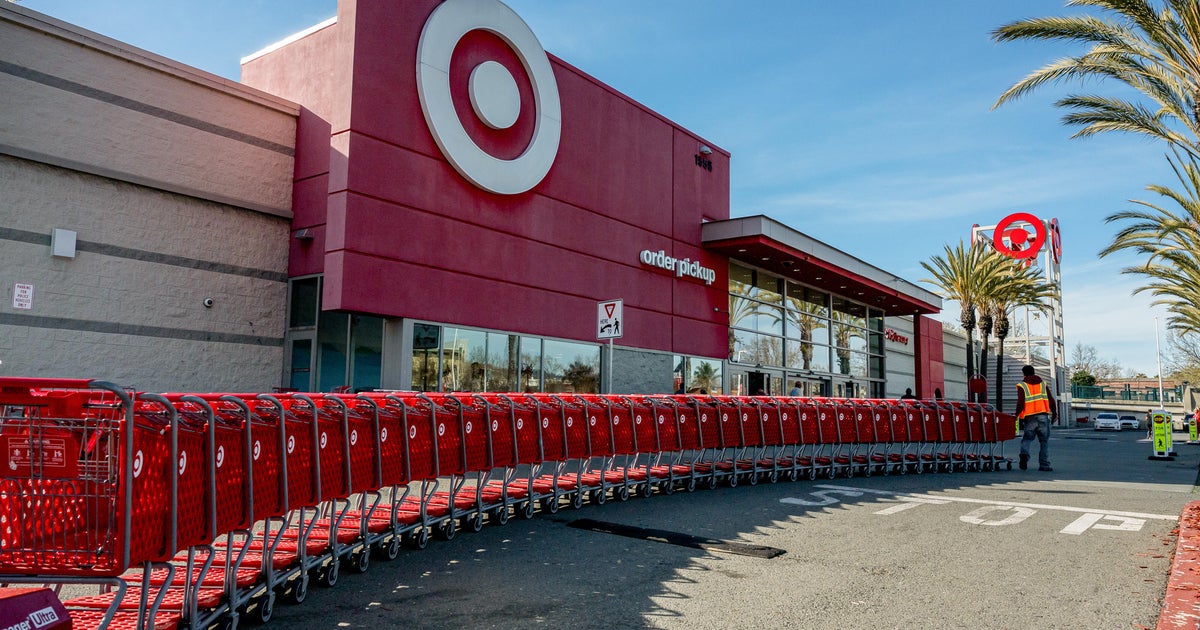
Target to invest $2 billion more in AI, stores and staffing as it seeks to reverse sales slump
CBSN
Target will invest another $2 billion in its business this year to spruce up stores, remodel locations and invest in workers, the retailer said Tuesday as it outlined plans to try to reverse a persistent sales malaise and reclaim its footing in fashion and home categories. In:
Target will invest another $2 billion in its business this year to spruce up stores, remodel locations and invest in workers, the retailer said Tuesday as it outlined plans to try to reverse a persistent sales malaise and reclaim its footing in fashion and home categories.
The announcement came at Target's annual investor meeting at its Minneapolis headquarters, and followed a quarterly report that showed another period of declining sales and profits even as the company offered a brighter annual profit outlook than Wall Street expected. Target said it believes net sales will grow every quarter this year, and that comparable-store sales rose to start the current quarter.
"This is a new chapter, and it's all about growth," said CEO Michael Fiddelke, a 20-year company veteran who succeeded longtime CEO Brian Cornell last month. "We'll do so by playing our own game and making big changes to delight our guests."
Target had previously disclosed in November that it would raise capital spending by $1 billion for the year, to a total of $5 billion. On Tuesday, the company provided more details. The $2 billion is split between capital and additional operational expenses, Target said: $1 billion in capital expenditures, and $1 billion in operating costs.
Capital plans include opening 30 new stores and remodeling 130 existing locations, many of which have not been refreshed in a decade, executives said. The operating expense commitment includes hundreds of millions of dollars to support additional store labor and training, as well as investments in artificial intelligence.


Defense Secretary Pete Hegseth deemed artificial intelligence firm Anthropic a "supply chain risk to national security" on Friday, following days of increasingly heated public conflict over the company's effort to place guardrails on the Pentagon's use of its technology. Jo Ling Kent contributed to this report. In: