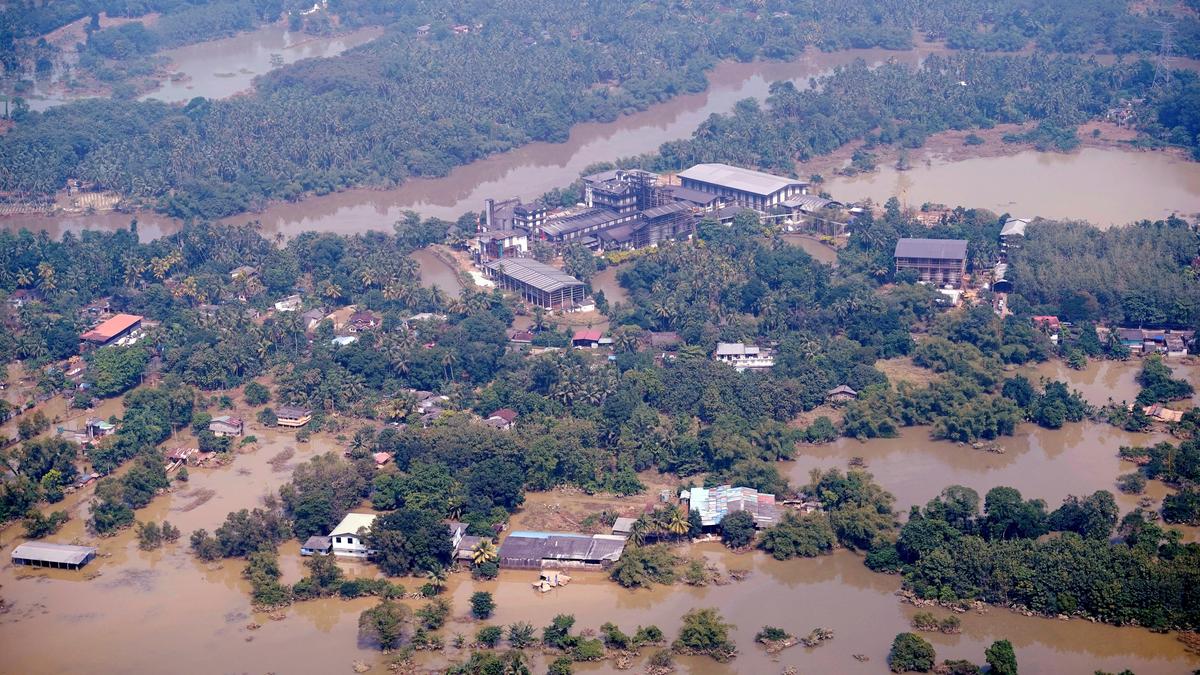
Ocean warmed by climate change fed intense rainfall, floods that killed over 1,600 in Asia: Study
The Hindu
A study links climate change to severe rainfall and deadly floods in Asia, highlighting the human toll of recent cyclones.
Sea surface temperatures over the North Indian Ocean were 0.2° Celsius higher than the average over the past three decades, according to the WWA researchers.
Without global warming, the sea surface temperatures would have been about 1° Celsius colder than they were, according to the analysis. The warmer ocean temperatures provided heat and moisture to the storms.
When measuring overall temperatures, the world is currently 1.3° Celsius warmer than global average during pre-industrial times in the 19th century, according to the National Oceanic and Atmospheric Administration.
"When the atmosphere warms, it can hold more moisture. As a result, it rains more in a warmer atmosphere as compared to a world without climate change," said Mariam Zachariah, with the Centre for Environmental Policy at Imperial College London and one of the report's authors.
The WWA is a collection of researchers who use peer-reviewed methods to conduct rapid studies examining how extreme weather events are linked to climate change.
"Anytime we decide to do a study, we know what is the procedure that we have to follow," said Zachariah, who added that they review the findings in house and send some of their analysis for peer review, even after an early version is made public.
The speed at which the WWA releases their analysis helps inform the general public about the impacts of climate change, according to Zachariah.


France deploys Rafale jets in the UAE to secure military bases amid escalating tensions with Iran and recent drone attacks.

Drones targeted fuel tanks at Duqm port in Oman, causing damage without casualties amid escalating tensions in the Gulf.

Urgent progress on lethal autonomous weapons regulations is needed as 128 states meet in Geneva for crucial discussions.

Israeli military prepares for a weeks-long campaign against Iran but rules out deploying ground forces, says spokesperson.

Drone strikes attributed to Iran target Kurdish camp in northern Iraq, injuring one amid ongoing tensions with Iranian opposition groups.

Slick AI-generated disinformation has flooded election campaigns in Nepal, which votes Thursday in the first polls since deadly protests triggered by a brief ban on social media overthrew the government.

Israeli military confirms operations in southern Lebanon amid Hezbollah's drone strikes on Israeli bases in retaliation.

Two killed and three injured in a helicopter emergency landing near Manila, Philippines; cause under investigation.

Trump expresses concern over U.S. high-end weapon stockpiles, stating it's not where the country wants to be.

Thai court issues arrest warrants for businessman and wife accused of $31 million money-laundering and investment fraud.

U.S. forces destroy Iranian command facilities, while Iran claims to have targeted a U.S. air base in Bahrain.

West Indies cricket team remains stranded in India due to international airspace restrictions following the T20 World Cup exit.

China's economic growth faces challenges as the National Congress convenes, highlighting tensions between technological ambitions and domestic demand.