Neskantaga First Nation calls for more federal support after community evacuation cut short
CBC
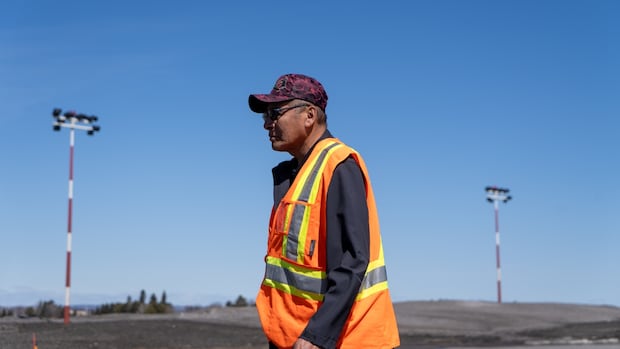
Chief Gary Quisses says Neskantaga First Nation's evacuation lasted 46 days — but he wasn't ready to bring his community members home.
The remote Ojibway First Nation has been under a state of emergency since April 13, prompted by flooding and a strong smell of fuel at its nursing station, the only access point for medical services in the community.
That week, more than 130 evacuees and their pets were flown roughly 450 kilometres to Thunder Bay, Ont., in order to have their health-care needs met. In all, more than 175 evacuees ended up staying in the northwestern Ontario city for well over a month.
Quisses said evacuees returned to Neskantaga last weekend, after Indigenous Services Canada (ISC) sent him a letter saying the federal government would no longer support its evacuation after June 4.
According to Quisses, Neskantaga was not told why its evacuation was no longer being supported.
Meanwhile, three other communities in the region are under evacuation due to nearby wildfires, sending hundreds of people to southern Ontario from Wabaseemoong Independent Nations, Deer Lake First Nation and Webequie First Nation.
While a temporary nursing station has been set up at a home in Neskantaga, Quisses said there's still a lack of equipment there to meet people's needs.
"It's very challenging at the moment," Quisses told CBC News in an interview Thursday.
Now, he's calling for support from the federal government to build a brand new, permanent nursing station in Neskantaga to replace the existing health centre, which has been boarded up.
CBC News has reached out to ISC about Neskantaga's evacuation and calls for a new nursing station to be built, and is awaiting a response.
Last month, a spokesperson for ISC told CBC News that remediation work at the nursing station began April 22.
"Initial investigation indicates that the flood and fuel smell were likely a result of a failed sump pump and used fuel spill kit that was being stored in the basement," said ISC spokesperson Jacinthe Goulet.
Fewer than 400 people live in Neskantaga. Its nursing station was built in 1994, and Quisses said it's been in poor condition for years.
"It's pretty old already and it's never been renovated. It's always having issues, finally triggered where we have to call for [a state of] emergency," Quisses said.


A 32-year-old man faces drug and firearms charges following a three-month investigation by Northwest Territories RCMP.

The federal Leaders' Debates Commission says it has settled with the Green Party after the party vowed to challenge its removal from the spring election debates.

With 2025 drawing to a close and Calgarians looking ahead to the new year, many can expect living in the city to become a bit more expensive — at least in some respects.

CBC London captured moments in 2024 that highlight people, stories and events from our community. These are the most-watched videos from this past year.

At least one man is dead and police are searching for two armed men on Big Island Lake Cree Nation, CBC News has learned.

This year, unlike many Canadian cities, Calgary won't be offering free transit on the evening of New Year’s Eve.

Canada's cold crunch is continuing into Tuesday after a winter storm slammed Ontario and Quebec, wreaking havoc on the roads and leaving tens of thousands without power.

A train derailment over the weekend in Quebec is disrupting services in Labrador West for at least a week.

One of the most prominent figures in Canadian curling over the last decade is bidding farewell to the sport.

Henry and Charlotte are the most popular baby names in Nova Scotia for 2025, according to data released by the provincial government.

Premier Susan Holt says she doesn’t have an explanation for why regulators, policy experts and others responsible for gas price regulation didn’t clue in to a simple way to lower prices for consumers until the end of 2025.

The new year will be bringing with it Toronto’s first traffic czar.

For the first time in 111 years, items once belonging to the late Albert Mullins were back in the hands of his family members thanks to the detective work of one Montreal historian.