Marrying technical data and conservation Premium
The Hindu
Project Gaj Sanchar, a collaboration between Bengaluru-based ANCF and Dakshin Foundation, explores the possibility of a protected area for elephants in Assam with the help of research and technical data.
Bengaluru-headquartered Asian Nature Conservation Foundation (ANCF) founded by Prof Raman Sukumar of IISc and the late Prof Dhritikanta Lahiri Choudhury has been actively involved in elephant conservation since 1997.
ANCF and Bengaluru-based Dakshin Foundation have been working on a collaborative project called ‘Gaj Sanchar’ focusing on the Kaziranga and Karbi Anglong landscapes in Assam.
Every year when Kaziranga gets flooded the animals move towards Karbi Anglong hills. Issues of poaching and human-elephant conflicts have been rampant in this region.
Project GajSanchar-ASM was started with the thought of exploring the possibility of a holistic elephant-conservation plan at a landscape level, covering Kaziranga National Park, Karbi Anglong and nearby districts with the help of research and technology involving multiple stakeholders including the forest department. The Assam Forest Department wanted actionable insights and requested the team to look at the human-elephant conflicts in Golaghat district near Kaziranga and Hamren district near Karbi Anglong.
In Golaghat, the team saw scattered agricultural areas and fragmented landscapes. Animals coming in contact with humans was unavoidable in such a scenario. So, the team set a short term as well as a long-term approach towards the problem.
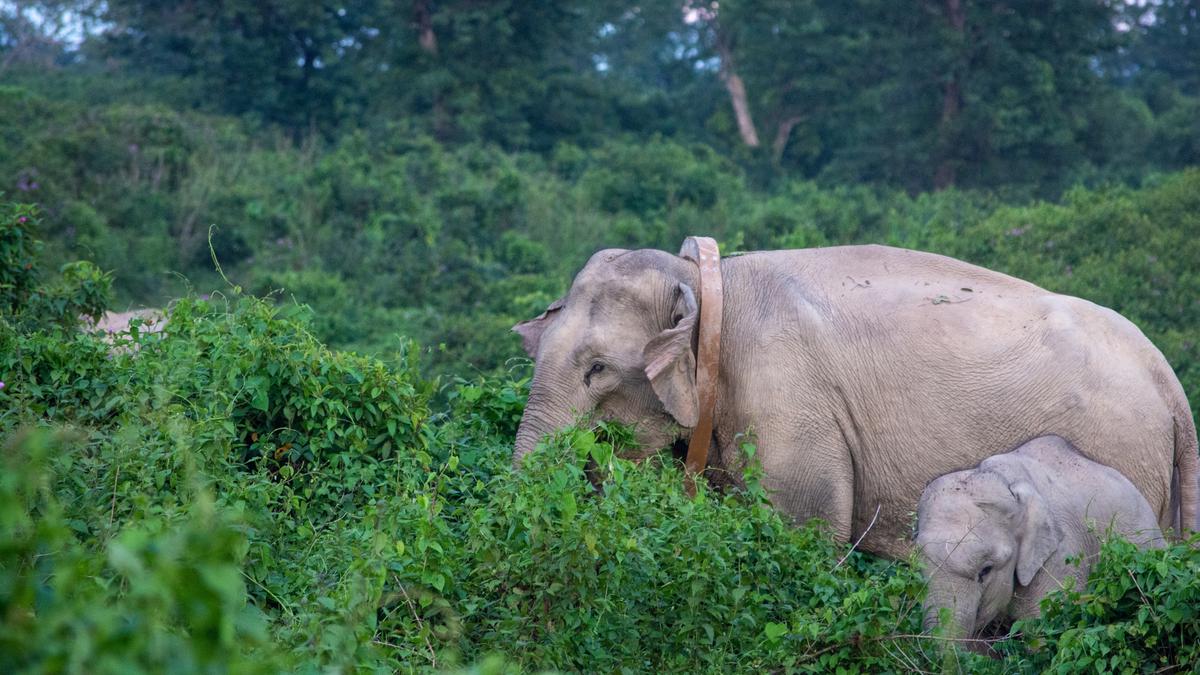
“The short-term goal was providing the elephants’ location using a GPS collar so that it acts as an early warning during the crop-harvesting season for the forest department, gram panchayat members and farmers. This helps in preparing for driving the elephants out of agri-fields,” says Amlan Aditya Goswamy, senior programme associate at Dakshin Foundation.
“The long -term goal is to collect a year-long data on the movement patterns of the elephant, their eating habits, and the social interface between elephants and people. This would help to limit the elephants to certain areas which is safe for the elephants as well as for people. This way you are preventing or suspending the contact between elephants and people.”


KRG Studios appeals against leave granted to producer Kalaipuli Thanu for a suit regarding distribution rights of the film Max.

Supreme Court rejects petition for Q inclusion in census, citing concerns over social division and class creation.

Two RSS workers arrested for hurling a bomb at a policeman’s house in Kannur, Kerala; major tragedy averted.

Three youths radicalised by ISIS and AQIS arrested in Vijayawada for planning terror activities across India.

T.N. CM Stalin challenges PM Modi on government preparedness for West Asia crisis, emphasising leadership responsibility over public outsourcing.

Telangana DCA warns against unsupervised semaglutide use, stressing the importance of medical supervision and safe purchasing practices.

From origami classes at Rosary matriculation school to the two-day Makers Market in Mylapore, Chennai resident Priya Subramaniam has come a long way.

Election Commission bans exit poll results in Tamil Nadu from April 9 to April 29 ahead of Assembly elections.

Residents of Tambaram express concern over inadequate infrastructure amid rapid urban growth, highlighting traffic, drainage, and waste management issues.

Explore the defining moments and developments of Tamil Nadu's 16th Assembly, marked by political confrontations and administrative innovations.

Kerala CM Pinarayi Vijayan defends his remarks on G. Sudhakaran, labeling him a 'class traitor' amid election tensions.

Social media rumors spark panic buying of petrol in Belagavi, causing long queues and temporary fuel shortages at stations.

Delhi Budget 2026 LIVE: Follow live updates from The Hindu on the Delhi state budget for 2026-27, on March 24, 2026