Iran's Trump card: Choke point warfare
India Today
Trump's speech suggests he's backing away from the Strait of Hormuz. How Tehran mastered the art of choking international maritime stretches.
The world’s most powerful man will not use the world’s most powerful military to prise open the world’s most critical energy choke point.
Reopening the Strait of Hormuz blocked by Iran has been President Donald Trump’s priority for now because, as he put it in his April 2 address, “we have all the oil we need,” also predicting that “the Strait will open up naturally.”
Trump urged his Nato allies— many of whom had refused to join military operations with him, to either deal directly with Iran or buy oil from the US. This is a major U-turn because, over the past few weeks, Trump has threatened to bomb Iranian oil infrastructure and power grids if they didn’t lift the blockade.
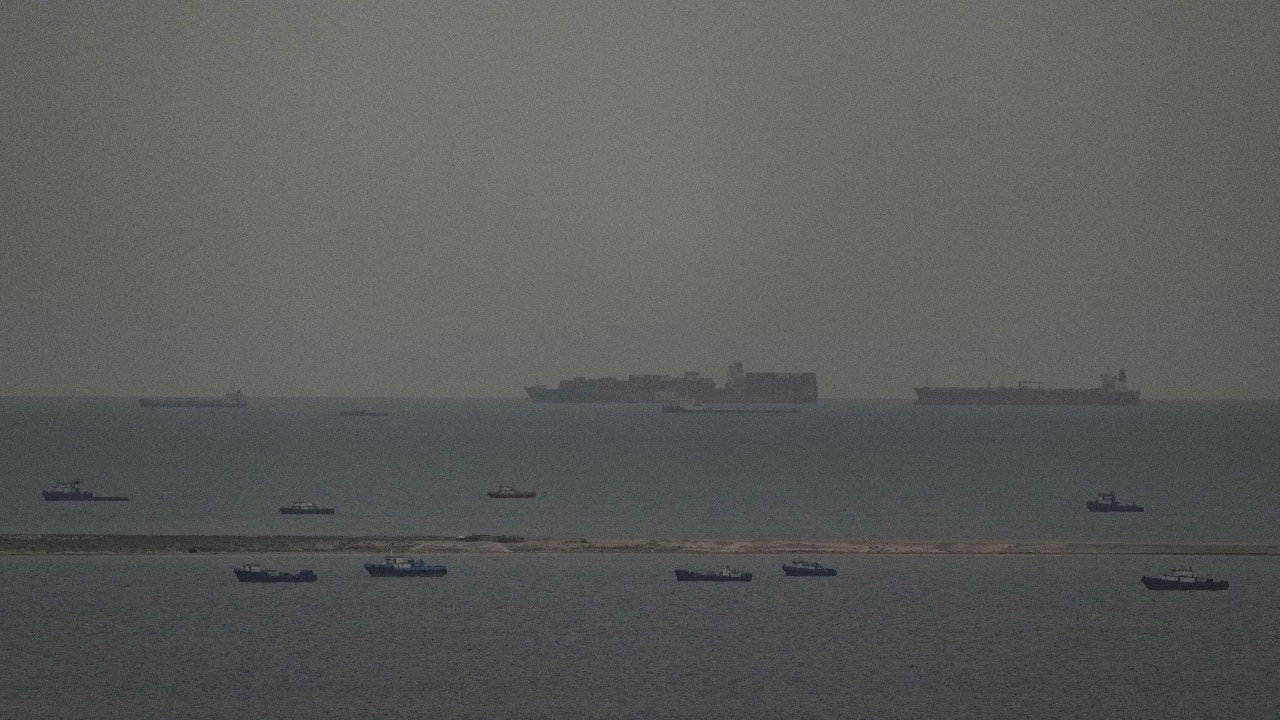
Iran responded to the US-Israel war on February 28 by shutting down the Strait of Hormuz, through which 20 per cent of the world’s oil and gas is routed. The closure of the strait has brought vessel traffic to a halt, leading to a 60 per cent spike in oil prices and impacting everything on the global economy from semiconductors to fertilisers. The two most powerful air forces in the world have bombed over 16,000 Iranian targets, but haven’t succeeded in getting Tehran to lift the blockade.
Trump’s April 2 statement could indicate the US has moved away from capturing Iranian islands like Kharg Island (as leverage to force Iran to reopen the strait). Other options like seizing Iran’s stocks of over 400 kg of enriched nuclear fuel by ground forces, for instance, might become more attractive.
The U-turn on the strait indicates Tehran’s strategy of choke point warfare has paid short-term dividends.


A man in Gujarat was left critically injured after a cow attacked him for nearly two minutes, with CCTV footage sparking concern over stray animal threats.

An Eswatini-flagged crude oil tanker Ping Shun, with 6 lakh barrels of Iranian oil, which was India-bound, to deliver India's first shipment in seven years, has changed course to China near Gujarat's Vadinar port.

A woman shared a heartwarming video of an elderly Indian uncle bringing her home-cooked meals at work in Sydney, with his heartwarming gesture winning hearts online.

Iranian media listed key regional bridges as potential targets after US-Israeli strikes destroyed Karaj's B1 bridge, escalating tensions amid ongoing retaliatory drone and missile attacks across West Asia.

In a post on X, Rishi Sunak shared a picture with Bodhana Sivanandan, saying that her achievement did not come as a surprise to him.

A video by conservative influencer Savannah Hernandez on a Hanuman temple in Texas, US, has invited a flood of hate comments and triggered a debate on the issue of Indians immigrating to the US.

Trump's warning came hours after the US airstrikes targeted a major bridge, killing at least two people. According to local news reports, the highway bridge linked Iran's capital Tehran to the western city of Karaj.

Trump's speech suggests he's backing away from the Strait of Hormuz. How Tehran mastered the art of choking international maritime stretches.

While Kash Patel's tenure has been under scrutiny for a long time now, Donald Trump is reportedly unhappy with Tusli Gabbard's stance on the US-Iran war.

US President Donald Trump announced sweeping tariff changes, including up to 100% duties on patented drug imports unless firms cut prices and shift production to the US. Trump also revised metal tariffs, reducing some duties, keeping others high, and changing how they are calculated.

The New York Police Department (NYPD) said the baby girl, named Kaori, was an unintended target, describing the shooting as gang-motivated. At least two shots were fired by a pair of moped-borne male perpetrators.


A highway bridge linking Iran's capital Tehran to the western city of Karaj was hit by air strikes on Thursday, Fars news reported. Two people were repotedly killed in the attack.