India-Canada uranium deal and India’s nuclear programme | Explained Premium
The Hindu
Explore the India-Canada uranium deal's impact on India's nuclear program and energy security in this comprehensive analysis.
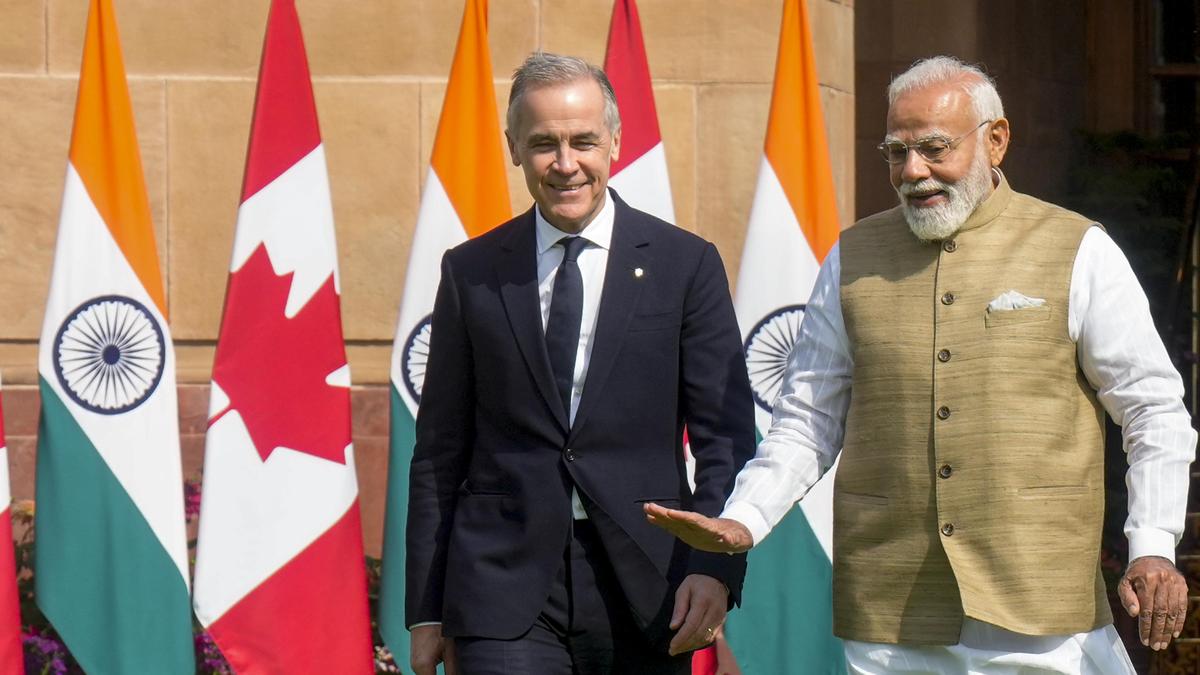
The story so far: In its quest for energy security, on March 2, India signed a CAD 2.6 billion deal with Canada’s Cameco. The deal ensures a supply of around 10,000 tonnes of uranium between 2027 and 2035 to India.
India has both domestic reserves and imported stockpiles of uranium. The domestic reserves amount to 4.2-4.3 lakh tonnes of ore, spread across the major mines of Jaduguda and Turamdih in Jharkhand and Tummalapalle in Andhra Pradesh. The quantum of extractable uranium metal from the ore is estimated to be 76,000-92,000 tonnes.
The order of magnitude difference between the ore and the metal is because Indian ore is ‘low grade’ (0.02-0.45% concentration). Canada however has high-grade ore (10-100x richer than Indian ore). Cameco is also among the world’s top three largest uranium producers by volume.
India has increasingly relied on imports, which currently meet nearly three-fourths of the civilian requirement. Aside from the Cameco deal, India also finalised a supply agreement with Kazatomprom of Kazakhstan, and has ongoing contracts with Uzbekistan and Russia (both with low- to medium-grade ore). The government is also building a reserve intended to hold five years’ supply of fuel to protect against supply chain shocks.
While importing uranium ore is cheaper than extracting it, it can’t legally be used in nuclear weapons. This is why India also mines ore domestically.
The deal with Cameco comes under the India-Canada Civil Nuclear Cooperation Agreement (NCA). It was signed in 2010, two years after the Nuclear Suppliers Group issued its ‘clean’ waiver for India, in turn made possible by the 123 nuclear agreement between India and U.S.


A Big Tech industry group on Wednesday expressed concern to U.S. Secretary of Defense Pete Hegseth about his declaring AI company Anthropic a supply-chain risk

Seven US tech giants at the forefront of artificial intelligence committed Wednesday to offset the costs of their increased electricity needs through investments in energy infrastructure.

Iranian sailors recover in Sri Lanka after a U.S. submarine attack that killed 87, with ongoing search operations for the missing.

OpenAI is considering a contract to deploy its AI technology on North Atlantic Treaty Organization’s (NATO) “unclassified” networks, a person familiar with the matter said

China sets a lower GDP growth target of 4.5-5% amid global uncertainties and domestic economic challenges.

Nepal elections 2026: Follow the latest updates on March 5, 2026

Nepal votes in its first general election since last year's Gen Z protests, with over 18.9 million eligible voters.

Anti-war activist Brian C. McGinnis arrested after injuring three Capitol Police officers during a protest against U.S. military action.

Mark Carney urges Canada and Australia to unite against great power hegemony for global security and prosperity.

Iran-Israel war: Follow the latest updates on the West Asia war, on March 5, 2026

Trump is consulting advisors on the U.S. role in Iran post-conflict amid mixed public support for military action.

Senate Republicans reject a war powers resolution to halt U.S. military action against Iran, highlighting deep partisan divisions.

Nepal's March 5 election aims to restore democracy amid recent protests and regional geopolitical tensions.