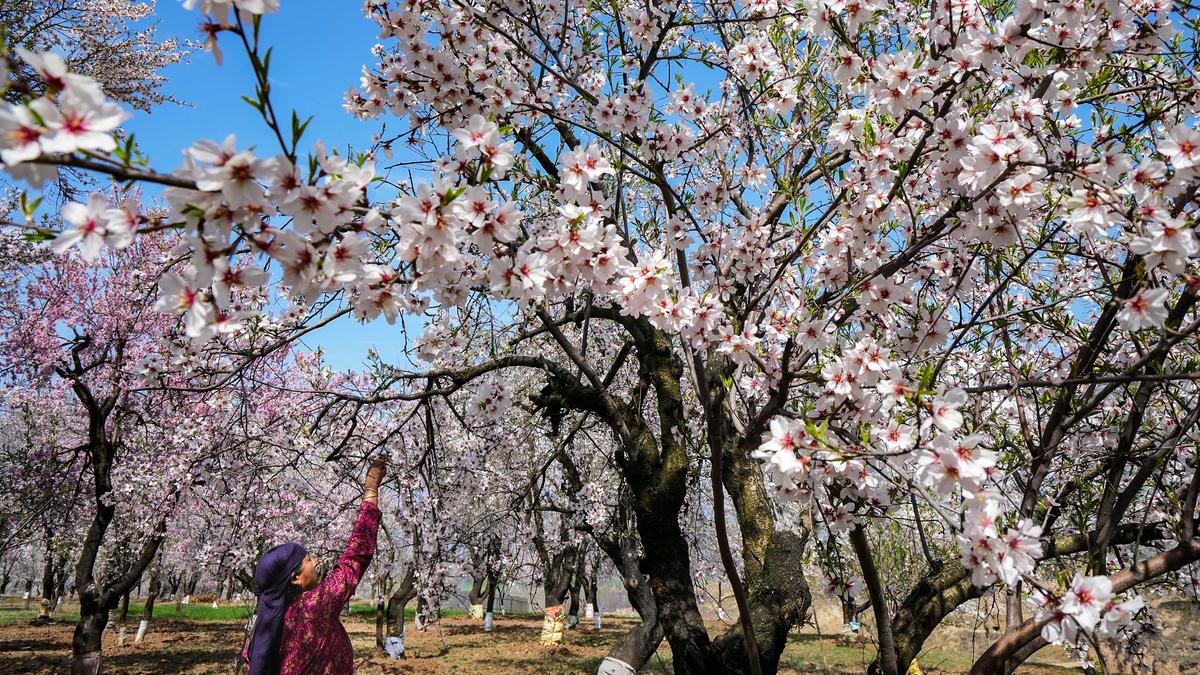
In Kashmir, spring blooms drive away the blues
The Hindu
Seasonal affective disorder is common in Srinagar, a city riddled with the twin realities of a harsh winter and terrorism, but with spring, a lot changes
Spring is the only season that Khalida Jan, 71, finds she can smile in. Her son disappeared after security forces allegedly picked him up from north Kashmir in 1992, and life has never been the same again for her.
“Maybe the bright light of the sun, green cover, and blooming flowers remind me of the happy times we lived in, before 1992,” Ms. Jan said.
As spring breaks, psychiatrists in Kashmir are able to help their patients who are battling seasonal affective disorder (SAD) brought on by the harsh whiteness of winter and decreased sunlight, along with conflict-induced depression, transition out of antidepressant medication.
It’s not just the change of scenery, it’s also a time when people can begin going out after the winter’s ice and snow. They are joining families and friends to enjoy the first flowering in the Valley’s gardens and parks, with almond, peach, cherry, and apricot blossom. This year, the Tulip Garden expects to see the blooming of 1.5 million tulips in different colours. All this acts as mental health therapy, according to Valley-based psychiatrists.
Zakir Mir, a resident of Pulwama, visited the Institute of Mental Health and Neurosciences (IMHANS), Srinagar, in the first week of March with some “good news” for his physician. With grey and grim winter paving the way for a colourful, sunny spring, Mr. Mir told his psychiatrist that he was feeling better and “ready to give up antidepressants”.
Also read | Children in Kashmir valley vulnerable to ongoing trauma, say doctors


Justice Bhuyan emphasizes the judiciary's role as impartial, condemning reckless criminal cases and advocating for dissent and fair bail practices.

Vijay announces candidates for all 30 Puducherry Assembly segments as TVK prepares to contest independently on April 9.

Kerala LDF ministers declare assets nearing ₹2 crore each amid upcoming elections, revealing financial details and legal challenges.

Sunil Ambekar of RSS discusses organisational changes and initiatives to unify India and address social challenges in an exclusive interview.

Pinarayi Vijayan predicts the BJP will fail again in Kerala, emphasising the Left's enduring strength and commitment to development.

Small eateries in Coimbatore face operational challenges due to LPG cylinder shortages, impacting service and food prices.

Assembly polls 2026: Follow updates from The Hindu on the upcoming elections in five States, on March 22, 2026

Palla urges NDA leaders to unite for grassroots outreach, enhancing public trust through balanced welfare and development initiatives.

Horses shone at Auroville's 2026 event, showcasing equestrian talent through dressage, derby, and show jumping competitions.

Telangana Governor Shiv Pratap Shukla attends Bihar Foundation Day celebrations in Hyderabad, honoring Bihar's historical and cultural contributions.

Samsung workers protest for the reinstatement of 27 suspended employees, citing unfulfilled promises from the Labour Minister.

The Vice-Chancellor of Rajiv Gandhi University of Health Sciences (RGUHS) B. C. Bhagavan said on Sunday that the university will soon open a research centre on Yoga and Naturopathy on 60-acre land in Bengaluru.

UT Matters: Construction of Uppar drain road overbridge in Puducherry to be completed in four months, amid traffic regulations.