How to keep your gadgets from choking the planet
CBSN
Technologically speaking, the COVID-19 pandemic made Americans more connected than ever. From smart TVs and internet-enabled toys to game consoles, the average home today has 25 connected devices — more than twice as much as in 2019.
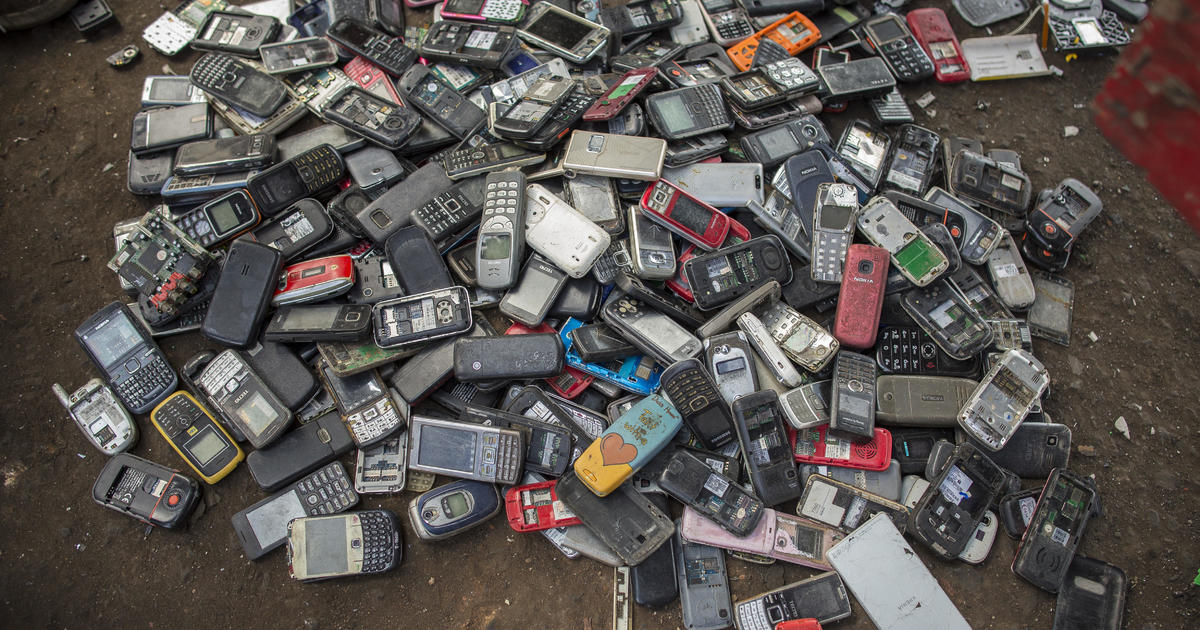
This profusion of technology comes at a cost: A gushing river of electronic waste. Gadgets are the fastest-growing category of trash, as well as the most polluting. Old devices are liable to leach toxic chemicals or catch fire. Recycling rates are dismal: Less than one-fifth of electronics is typically recycled every year.
"Globally, we're generating e-waste that weighs as much as 100 blue whales a day, and 80% to 81% of that is not going to be recycled," said Elizabeth Chamberlain, director of sustainability at iFixit, a community of repair enthusiasts.


When Kevin Ketels bought an electric 2026 Chevrolet Blazer last year, he wasn't thinking about the cost of gas. He just thought EVs were better and "wanted to be part of the future." Now that the Iran war is spiking prices at the pump, the Detroit man is happy he's no longer filling up his 11-year-old gas-powered SUV. In:

President Trump ordered the release of 172 million barrels of oil from the United States' Strategic Petroleum Reserve on Wednesday, after oil prices rocketed to their highest levels in years amid the U.S.'s war with Iran.

U.S. motorists are likely to face higher gas prices for several weeks even if crude oil remains stable, according to GasBuddy petroleum analyst Patrick De Haan. Edited by Aimee Picchi In:

The Federal Aviation Administration has grounded all JetBlue flights due to a request from the airline, the agency said in a notice on Tuesday. In:

"It's been a long time since we've had a bad event," said Lloyd Blankfein. "It's been 17 years since the financial crisis." The former CEO of Goldman Sachs, who led the bank through that historic crisis, says it happened before, so it'll happen again. In:

On the day that marks 13 years since the death of Venezuelan socialist strongman Hugo Chávez and two months after the Jan. 3 U.S. operation that captured Nicolás Maduro, the scene in Caracas looks strikingly different from the anti-U.S.-imperialism rhetoric that founded Chavismo and was echoed by his successor. In:

We may receive an affiliate commission from anything you buy from this article. In:

Companies in the U.S. that paid tariffs invalidated by the Supreme Court in February are legally entitled to refunds, a federal judge ruled on Wednesday. In:

Target will invest another $2 billion in its business this year to spruce up stores, remodel locations and invest in workers, the retailer said Tuesday as it outlined plans to try to reverse a persistent sales malaise and reclaim its footing in fashion and home categories. In:

Defense Secretary Pete Hegseth deemed artificial intelligence firm Anthropic a "supply chain risk to national security" on Friday, following days of increasingly heated public conflict over the company's effort to place guardrails on the Pentagon's use of its technology. Jo Ling Kent contributed to this report. In: